





Acupuncture: Natural Relief for Pain and PMS
Acupuncture, a therapy that has been in practice for 2500 years now, has gained mainstream acceptance as an alternative medicine therapy. It's rooted in Traditional Chinese Medicine and holds high-esteem among the Chinese because of its unconventional capabilities. As a medical modality, it's believed to have the power to cure a perennial disease's pain – arthritis.
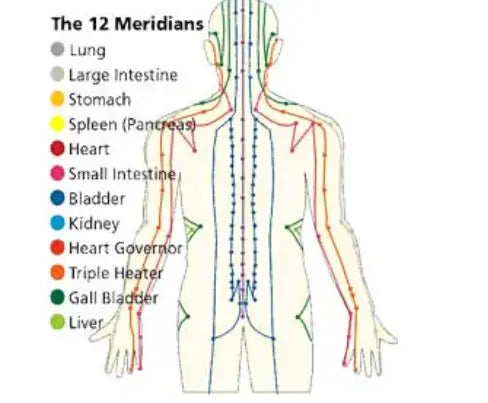
Acupuncture is based on the theory of 'qi' (pronounced as chee). This refers to the vital life energy that controls bodily functions and flows through 12 principal meridians, also known as 'pathways of the body.' When the flow of this energy or qi in one's body is blocked, the body experiences pain. However, patients have mixed theories regarding why acupuncture helps cure arthritis.
How acupuncture eases pain
Many patients with chronic arthritis report immediate relief after their first session. Researchers think several physiological processes take place when needles are inserted. Signals travel from the spinal cord to the brain and trigger the release of endorphins and other neurochemicals that reduce pain perception. Traditional Chinese Medicine attributes the effect to restored balance along the meridians.
Theory 1: Needles trigger pain-relief chemicals
Scientific studies describe a cascade of events after needle insertion. That cascade includes changes in the nervous system and hormone release that lower pain sensations. Those mechanisms explain why many people feel less pain after acupuncture.
Theory 2: Unblocking acupoints
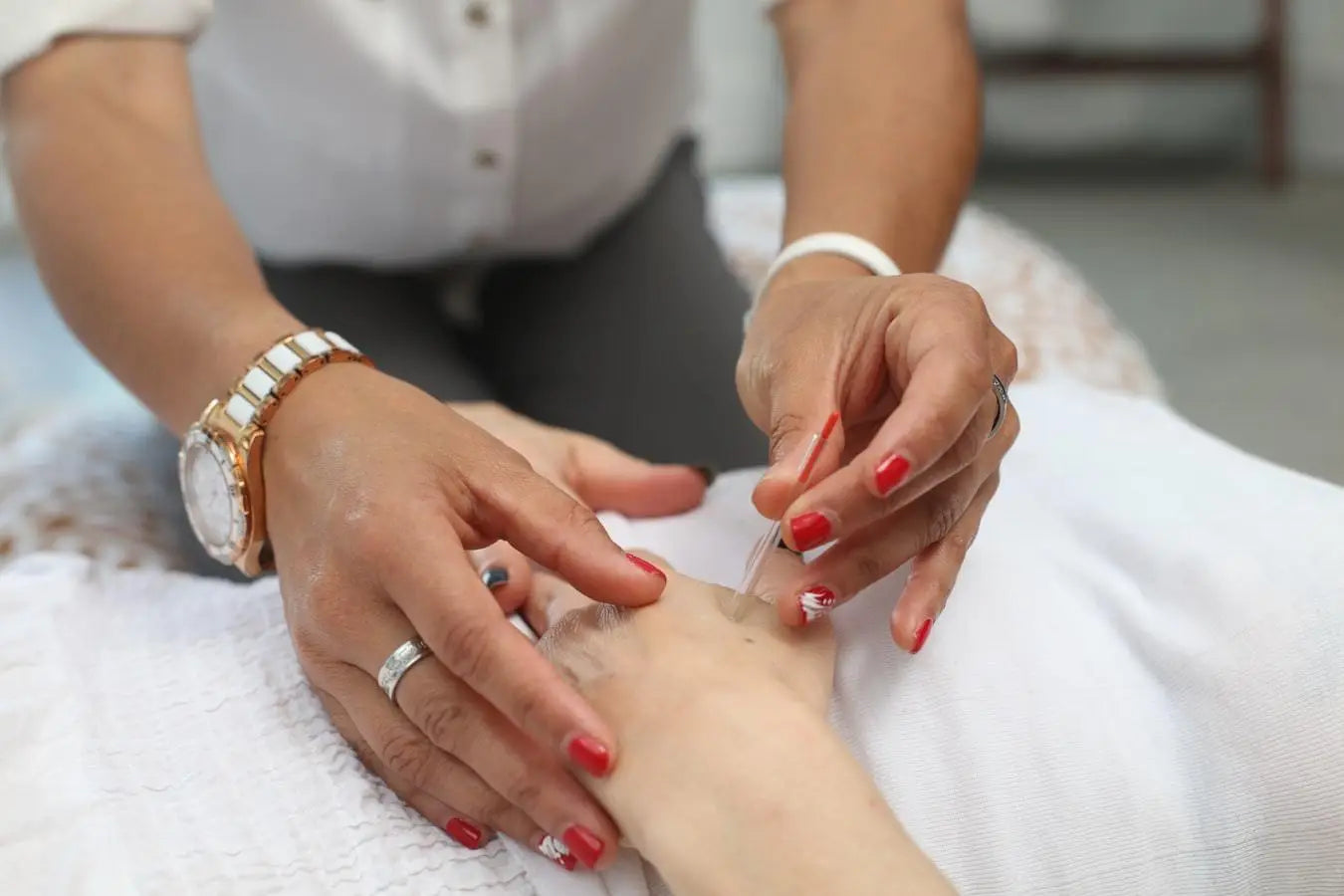
Practitioners identify acupoints that correspond to areas of pain. Inserting needles at those points aims to correct imbalances in energy flow. Many clinical studies find acupuncture helpful across a range of conditions when performed by a trained practitioner.
Theory 3: Back pain and acupuncture
Back pain is a leading reason people seek treatment. Research shows acupuncture can give short-term relief for lower back pain. Several trials report that both real acupuncture and sham acupuncture perform better than no treatment, suggesting that needle placement and the treatment context both influence outcomes.
Real acupuncture may produce longer-term changes in brain processing for some conditions, while sham treatments often tap into placebo-related pathways to give temporary relief. Across studies, properly trained practitioners achieve better results than untrained providers.
The research base keeps growing, and current evidence supports acupuncture as a reasonable option for people who want nonpharmaceutical ways to manage back pain.
Theory 4: Period pain and menstrual symptoms
Up to 95 percent of women experience period pain at some point. Trials show acupuncture can reduce menstrual pain intensity, sometimes by about half, and frequent treatment often gives the best results. Unlike painkillers that only ease symptoms briefly, acupuncture may reduce pain in future cycles as well.
Acupuncture treats the whole symptom pattern. That means a practitioner addresses mood changes, sleep disruption, headaches, and other associated signs along with pain. Studies indicate acupuncture can influence brain chemistry, increasing endorphins and affecting serotonin, which helps with mood and pain control.
- Depression
- Fatigue or sleep disturbance
- Weight change
- Headaches
- Backaches
- Swelling
Your acupuncturist will tailor treatment to reduce both physical and emotional symptoms together.
Theory 5: Depression
Depression causes persistent low mood, changes in sleep, loss of energy, and shifts in appetite. Standard care uses medication and therapy, but not everyone improves. Several trials report clinically meaningful reductions in depressive symptoms after acupuncture. One 8-week study of 151 people found acupuncture led to greater improvement than no treatment, and some trials find effects similar to certain antidepressants in specific groups, such as post-stroke patients.
Theory 6: Allergies
Allergies happen when the immune system overreacts to harmless substances like pollen, dust, or pet dander. Many practitioners use acupuncture alongside antihistamines to reduce symptoms. The World Health Organization lists acupuncture as a treatment with a long history for many conditions. For some patients, acupuncture works well as an add-on to medication, and for others it serves as an alternative.
Leave a comment