





What Is Anemia: Symptoms and Treatment Options
What Is Anemia: Symptoms and Treatment Options
Constant fatigue, pale skin, shortness of breath, dizziness, or feeling unusually cold can sometimes point to anemia. Learn what causes it, which nutrients matter, and how to combine proper testing with food and traditional natural support.
Feeling tired does not automatically mean you have anemia. But when tiredness comes with weakness, breathlessness, dizziness, headaches, paleness, or a racing heart, it is worth paying attention.
Anemia happens when you do not have enough healthy red blood cells - or enough hemoglobin inside them - to carry oxygen efficiently around the body.
Iron deficiency is the most common cause, but it is not the only one. Low vitamin B12 or folate, ongoing blood loss, chronic issues, kidney problems, and inherited blood conditions can all lead to anemia too.
Anemia is a clue. The most useful first question is not simply “How do I raise my iron?” but “Why is my hemoglobin low?” Once you know the cause, the right kind of support becomes much clearer.
What Is Anemia?
Red blood cells carry hemoglobin, an iron-containing protein that picks up oxygen in the lungs and delivers it to the tissues throughout your body.
When there are too few healthy red blood cells or too little hemoglobin, your muscles, brain, and organs receive less oxygen than they normally would.
Anemia usually develops through one of three basic pathways:
Low iron, vitamin B12 or folate, kidney disease, inflammation, and bone-marrow problems can reduce red blood cell production.
Heavy periods, gastrointestinal bleeding, surgery, injury, or another source of ongoing blood loss can gradually deplete red blood cells and iron.
In hemolytic anemia, red blood cells are destroyed faster than the body can replace them.
What Does Anemia Feel Like?
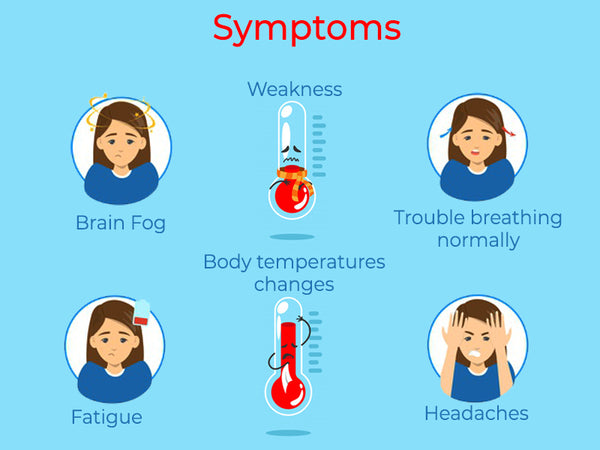
Mild anemia may cause few symptoms at first. As it becomes more significant, everyday activities can begin to feel surprisingly tiring.
- Fatigue and weakness that do not improve much with ordinary rest.
- Shortness of breath or getting winded more easily than usual.
- Dizziness or lightheadedness.
- Pale skin or a paler appearance inside the lower eyelids.
- Headaches or difficulty concentrating.
- A fast or noticeable heartbeat.
- Cold hands and feet.
- Lower stamina during exercise or everyday activities.
Some symptoms can give extra clues
Iron deficiency may cause unusual cravings for non-food substances such as ice, clay, or chalk, a pattern known as pica. Spoon-shaped or brittle nails can also occur when deficiency becomes significant.
Vitamin B12 deficiency can sometimes cause tingling, numbness, balance changes, or other nerve-related symptoms in addition to fatigue.
Do not wait for every symptom. Anemia can develop gradually, and your body may adapt for a while. Persistent fatigue plus a risk factor (such as heavy periods, pregnancy, digestive issues, a restrictive diet, or past anemia), is enough reason to consider testing.
The Main Types of Anemia
| Type | What is happening | Common causes or clues |
|---|---|---|
| Iron-deficiency anemia | The body does not have enough iron to make normal hemoglobin. | Heavy menstrual bleeding, low iron intake, pregnancy, digestive blood loss, or poor absorption. |
| B12 or folate deficiency | The body cannot make normal red blood cells efficiently. | Low intake, absorption problems, medications, or increased nutritional needs. |
| Pernicious anemia | An autoimmune problem interferes with vitamin B12 absorption. | B12 deficiency despite adequate dietary intake. |
| Anemia of chronic disease | Inflammation or chronic illness interferes with normal red blood cell production and iron use. | Chronic inflammatory disease, infection, cancer, or kidney disease. |
| Hemolytic anemia | Red blood cells are broken down faster than they can be replaced. | Inherited conditions, immune problems, infections, or certain medications. |
| Inherited anemia | Genetic changes affect red blood cells or hemoglobin. | Sickle cell disease and thalassemia are two important examples. |
Heavy periods deserve attention. Menstrual blood loss is a common reason for iron deficiency, but becoming anemic from repeatedly heavy bleeding should not simply be accepted as “normal.”
How Do You Know If You Are Anemic?
Symptoms can suggest anemia, but blood tests tell you what is actually happening.
A complete blood count (CBC) measures hemoglobin, hematocrit, red blood cell numbers, and the size of your red blood cells.
If iron deficiency is suspected, clinicians commonly look at ferritin and other iron studies as well. Ferritin reflects stored iron, although inflammation can sometimes make the result harder to interpret on its own.
Depending on the pattern, testing may also include vitamin B12, folate, kidney function, or further investigation for bleeding or another underlying condition.
Why testing matters: taking iron when you are actually deficient can be very helpful. Taking large amounts of iron when your anemia has a completely different cause does not solve the problem, and too much iron can be harmful.
Natural Food Support for Healthy Blood
When iron intake is part of the problem, food can make a meaningful difference. The trick is not only choosing iron-rich foods, but helping your body absorb the iron they contain.
Good sources of iron
Beef, lamb, poultry, oysters, clams, and other seafood contain iron in a form the body absorbs especially well.
Lentils, beans, tofu, pumpkin seeds, leafy greens, quinoa, and fortified cereals provide non-heme iron.
Bell peppers, citrus, berries, tomatoes, and broccoli can help your body absorb more non-heme iron from plant foods.
Make an iron-rich meal work harder
Add peppers to lentils, berries to fortified oatmeal, tomatoes to beans, or citrus alongside leafy greens. Vitamin C improves absorption of non-heme iron.
If you are actively trying to improve low iron, enjoy tea or coffee between meals rather than with your main iron-rich meal.
Eggs, dairy, fish, meat, fortified foods, beans, leafy greens, avocado, and citrus help provide other nutrients needed for normal red blood cell production.
If iron stays low despite good intake, conditions such as celiac disease, inflammatory bowel disease, or other digestive problems may need to be investigated.
What Are the Treatment Options for Anemia?
The best treatment is the one that matches the cause.
- Iron-deficiency anemia: iron-rich foods plus oral iron when needed; some people require intravenous iron if oral treatment is not enough or is not tolerated.
- Vitamin B12 deficiency: oral B12 or injections depending on the cause and ability to absorb it.
- Folate deficiency: folate replacement while also making sure B12 status has been considered.
- Blood-loss anemia: replenish what has been lost while finding and treating the source of bleeding.
- Kidney or chronic-disease anemia: treatment focuses on the underlying condition and may include additional medical therapy.
- Severe anemia: intravenous treatments, medications, or blood transfusion may sometimes be necessary.
Follow-up blood work helps show whether treatment is actually rebuilding hemoglobin and restoring iron or vitamin stores.
Where Natural Support Fit In
Calc Phos, or Calcarea Phosphorica, is traditionally associated with growth, rebuilding, mineral utilization, weakness, poor nutrition, and recovery after illness.
In Schuessler's traditional system, it is often considered when the body seems depleted and needs support rebuilding strength.

For weakness, rebuilding & mineral support
Calc Phos 6X is one of the 12 traditional Schuessler tissue cell salts and is associated with mineral balance, nutrient utilization, physical weakness, growth, and recovery.
It is a simple single-salt choice when the traditional picture is one of depletion: feeling weak, run down, poorly nourished, or slow to regain strength.
Shop Calc Phos 6XWhen Should You Seek Medical Care?
Anemia is often very treatable, but it is worth finding the cause rather than simply trying to push through the fatigue.
Arrange medical evaluation if you have persistent symptoms such as fatigue, paleness, dizziness, breathlessness, or heart palpitations, especially if you have heavy menstrual bleeding, digestive symptoms, pregnancy, a restrictive diet, chronic illness, or a history of anemia.
Seek prompt care for:
- Chest pain or severe shortness of breath.
- Fainting or severe dizziness.
- A very rapid heartbeat with weakness or breathlessness.
- Black, bloody, or otherwise unexplained bleeding.
- Rapidly worsening weakness.
FAQs
Is anemia the same thing as iron deficiency?
No. Iron deficiency is the most common cause of anemia, but anemia can also result from vitamin deficiencies, blood loss, chronic disease, kidney problems, inherited disorders, or increased destruction of red blood cells.
Can you have low iron before you become anemic?
Yes. Iron stores can become depleted before hemoglobin falls enough to meet the definition of anemia. That is one reason ferritin and other iron studies can be useful alongside a complete blood count.
What should I eat if my iron is low?
Useful foods include red meat, seafood, poultry, lentils, beans, pumpkin seeds, leafy greens, tofu, and iron-fortified foods. Pair plant-based iron with vitamin C-rich foods to improve absorption.
Does vitamin C help iron absorption?
Yes. Vitamin C improves absorption of non-heme iron, which is the form found mainly in plant foods. Pair beans, lentils, greens, or fortified grains with peppers, citrus, berries, tomatoes, or another vitamin C-rich food.
Why is Calc Phos traditionally used during weakness?
In Schuessler's traditional biochemic system, Calc Phos is associated with growth, mineral balance, nutrient utilization, rebuilding, and recovery. It is commonly selected when weakness and depletion are part of the overall picture.
The Bottom Line
Anemia means the blood is not carrying oxygen as efficiently as it should. That can leave you tired, weak, breathless, dizzy, cold, pale, or struggling to concentrate.
But anemia is not one condition with one solution. The first step is to find out if the issue is iron deficiency, vitamin B12 or folate, blood loss, chronic illness, or another cause.
From there, build support in layers: correct the actual deficiency, eat nourishing iron- and vitamin-rich foods, improve absorption where possible, address ongoing blood loss, and give your body time to rebuild.
For traditional cell salt support, Calc Phos 6X is a strong choice for weakness, recovery, mineral balance, and rebuilding support.
Homeopathic and cell salt uses described above are based on traditional homeopathic and biochemic practice and are not accepted medical evidence. These statements have not been evaluated by the FDA. Cell salts do not replace nutritional iron, vitamin B12, folate, blood-loss treatment, or other medically necessary care. If anemia or iron deficiency is suspected, testing is important before beginning high-dose iron supplementation.
Leave a comment