





Anxiety Relief: Practical Ways to Reduce Stress
What is anxiety?
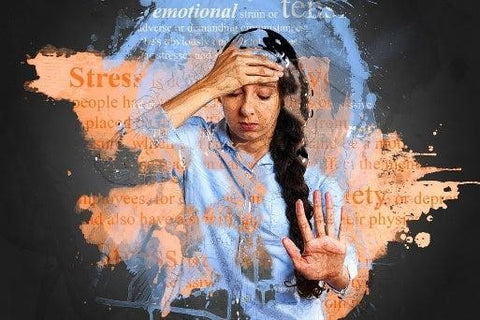
Anxiety is an emotion marked by tension, worried thoughts, and physical changes like faster breathing, sweating, and a racing heart. It evolved as a defense mechanism. When we face danger, the body releases norepinephrine and cortisol, triggering a short fight-or-flight response. In some people this response lasts much longer and floods the body with stress hormones, producing an anxiety disorder.

Anxiety covers several central nervous system disorders that cause nervousness, apprehension, fear, and worry. These disorders change behavior and can trigger physical symptoms that interfere with daily life. In the U.S., anxiety affects over 40 million people and ranks among the most common mental illnesses.
How clinicians classify anxiety
Mental health professionals classify anxiety as a mood disorder. The Diagnostic and Statistical Manual of Mental Disorders lists features of extreme anxiety and fear tied to behavioral disturbances.
Types of anxiety disorders
Common types include:
- Agoraphobia: fear and avoidance of places or situations that cause panic or feelings of being trapped.
- Anxiety disorder due to a medical condition: intense anxiety or panic caused directly by a physical health problem.
- Separation anxiety disorder: excessive anxiety in children related to separation from caregivers.
- Social anxiety disorder: fear and avoidance of social situations due to worry about judgment or embarrassment.
- Substance-induced anxiety disorder: symptoms tied to drug misuse, medication side effects, toxins, or withdrawal.
- Generalized anxiety disorder (GAD): persistent, excessive worry about everyday events that is hard to control and causes physical symptoms.
How anxiety feels
People with an anxiety disorder may have one or more of these symptoms:
- heart palpitations or accelerated heart rate
- sweating
- trembling or shaking
- shortness of breath or choking sensations
- chest pain
- nausea or abdominal distress
- dizziness, lightheadedness, or fainting
Some also report chills or heat sensations, tingling, or a sense that things are not real. Many fear losing control, going crazy, or dying.
Treatment options and what to expect
While many people need treatment, only about 37% receive it. Some stop medication because of side effects like dry mouth, nausea, weight gain, drowsiness, blurred vision, nightmares, or headaches. If medications cause problems, discuss alternatives with your clinician.

Plants and their extracts
People have used plant extracts for anxiety for centuries. They often cause fewer side effects than prescription drugs, which can improve adherence.
- Lavender oil has shown anxiety-reducing effects in randomized controlled trials, performing similarly to some prescription medications at therapeutic doses and without the same side effects.
- Flower essences like Cherry plum and Rock Rose reduced anxiety more than placebo in controlled studies.
- Star of Bethlehem extracts have shown mood-stabilizing and anxiety-reducing properties in review studies.
Research suggests you can gain benefits from some natural remedies with minimal side effects. Explore options under mental health and wellness collections and talk with your provider before mixing anything with prescription drugs.
Meditation and mindfulness
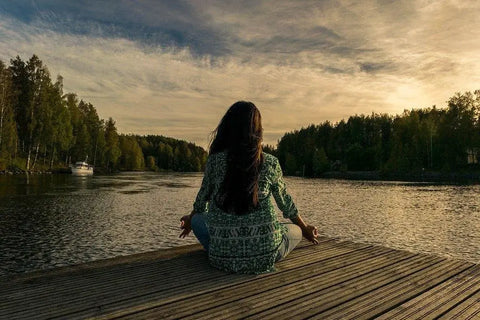
Meditation lowers stress, improves focus, and reduces mental chatter. It trains attention by noticing the breath and gently returning to it when the mind wanders. Be patient and kind with yourself as you build the habit.
Meditation practice tips:
- Find a quiet place without interruptions.
- Sit or lie comfortably.
- Start with 10 minutes.
- Follow your breath and notice when your mind wanders.
- Return to the breath without judgment.
- At the end, open your eyes slowly and notice your surroundings and how your body feels.
If focusing on the breath is hard, use a sound or a physical sensation as your anchor. Daily practice strengthens attention and helps you make calmer choices under stress.
Move your body
Physical activity reduces anxiety. When you feel anxious, get up and move, even for a short walk. Regular exercise, yoga, or gym sessions lower stress and improve mood.
Try walking meditation:
- Walk in a natural setting.
- Count steps up to 10, then repeat.
- Notice the lift and fall of each foot, and overall body movement.
- When the mind wanders, bring attention back to walking and your senses.
- Stay aware of your surroundings and remain safe.

Biofeedback
Biofeedback helps you learn to control body functions by using sensors that report on brain waves, skin temperature, muscle tension, heart rate, and breathing. With a therapist, you use that data plus relaxation techniques to alter physical responses, which can increase emotional stability and reduce anxiety.
Acupuncture
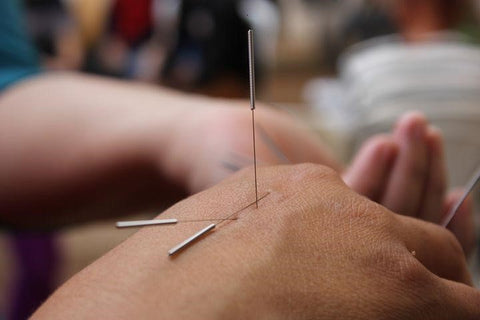
Acupuncture involves inserting thin needles into pressure points. Sessions typically last 10 to 30 minutes. Studies show some people with treatment-resistant anxiety get symptom improvement from repeated acupuncture sessions. It appears to affect the body’s stress response and is a low-risk option to consider with a licensed practitioner.
Journaling and positive surroundings
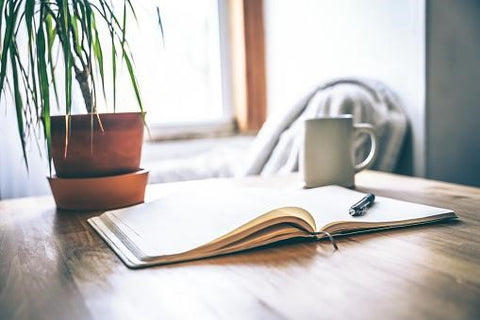
Writing down thoughts and feelings helps you spot patterns and identify triggers. You can record negative and positive events to become more aware of how your thinking affects your mood. Surrounding yourself with positive people and experiences supports better mental health.
- Spend time in nature.
- Do activities you enjoy: cooking, dancing, music, or hobbies.
- Practice gratitude each morning by listing five things you appreciate.
- Spend quality time with friends and family.
The bottom line
Anxiety is common, but you have options that can help. Consider evidence-based plant extracts, meditation, physical activity, biofeedback, acupuncture, and supportive habits like journaling and gratitude. Talk with a clinician to build a plan that fits your needs.

Leave a comment