





Natural Oral Health Care: Tips for Healthy Teeth and Gums
Dental and oral health is much more important than you might assume. It plays a crucial role in your overall health, which is why taking proper care of your teeth is essential to your well-being. This requires a lifetime practice of good oral hygiene habits that can help prevent expensive dental procedures and long-term health problems in the future.
Of course, dental health also affects your self-esteem and daily comfort. Who doesn’t want whiter teeth, fresher breath, and no worries about cavities or gum issues?

BIO23 temporarily relieves occasional tooth and nerve discomfort, as well as involuntary muscle contractions that lead to jaw discomfort. Temporarily supports the regeneration of nerves and enamel following dental work or surgery.
How Is Oral Health Linked to Your Overall Health?
There are around six million bacteria living in your mouth. That might sound scary at first, but don’t worry. Just like in other parts of your body, bacteria are a normal and natural part of your oral environment. Most of them are harmless.
The issue is that your mouth is also the main entry point to your digestive and respiratory systems. When oral hygiene isn’t properly maintained, certain bacteria can multiply and travel to other areas of the body, where they may start causing problems.
This is why daily oral care (like brushing and flossing) really matters. Along with your body’s natural defenses, good oral hygiene helps keep bacteria under control and prevents them from reaching levels that can lead to illness.

When oral hygiene is poor, the impact isn’t limited to cavities or gum discomfort. It has also been linked to a range of other health issues, including:
-
Heart health concerns: Ongoing gum irritation and oral bacteria may place extra strain on the body and have been associated with heart-related issues over time.
-
Pregnancy-related challenges: Studies suggest that ongoing gum issues may be linked to a higher chance of pregnancy complications, such as babies arriving earlier than expected or with lower birth weight.
-
Breathing and airway sensitivity: Bacteria from the mouth can sometimes be inhaled, which may irritate the airways and contribute to respiratory discomfort.
-
Circulation-related complications: In certain situations, oral bacteria can enter the bloodstream and affect sensitive areas of the heart, which is why dental care is often emphasized before specific procedures.
The connection also works the other way around. Some health conditions can make oral health harder to maintain:
-
Blood sugar imbalances: When the body has a harder time regulating blood sugar, gums may become more sensitive and prone to irritation, and oral issues can take longer to settle.
-
Weakened immune resilience: When immune defenses are lower, the mouth may be more vulnerable to irritation or slow healing.
-
Bone density changes: Shifts in bone strength can affect the jaw over time, sometimes impacting tooth stability or comfort.
-
Cognitive changes with age: As memory or daily routines become harder to manage, oral care can sometimes be overlooked, which may affect overall mouth health.
Certain medications can also reduce saliva production, such as painkillers, diuretics, decongestants, and antihistamines. Saliva plays a big role in keeping your mouth clean and balanced, so when there’s less of it, bacteria and acid can build up more easily.
All of this makes one thing clear: taking care of your mouth affects your whole body. So how can you improve your oral and dental health naturally? Let’s get into it.
How Can You Protect and Improve Your Oral Health?
We’ve already seen how important good oral hygiene is for your overall oral health. But what does that actually look like in daily life? Let’s break down the habits that make the biggest difference.
-
Brush your teeth. Brush for at least two minutes, twice a day.
-
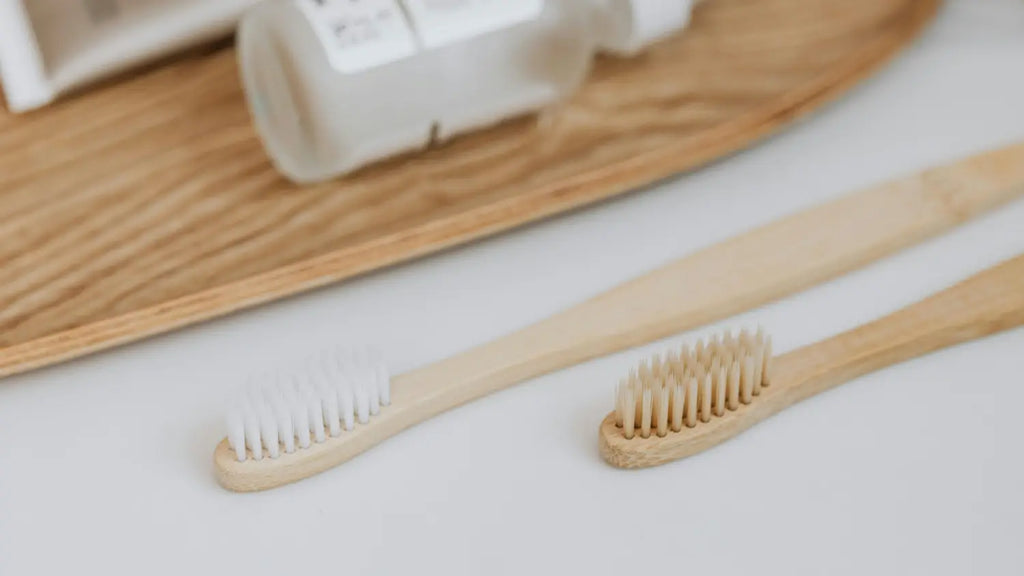
Choose a soft-bristled toothbrush. Soft-bristled or electric toothbrushes are the best options. They clean effectively while being gentle on your gums and enamel, helping prevent issues like receding gums and enamel wear.
-
Don’t forget your tongue. Just like your teeth and gums, your tongue can collect bacteria and plaque. Gently brushing your tongue helps prevent bad breath and other oral health issues.
-
Replace your toothbrush regularly. Change it every three to four months, or sooner if the bristles start to fray or wear out.
-
Use fluoride toothpaste. Fluoride helps fight the germs that cause tooth decay and adds an extra layer of protection to your teeth.

Tooth Remineralization temporarily supports natural tooth remineralization, strong enamel, and reduced sensitivity with a gentle, safe formula for healthier teeth.
-
Floss daily. Flossing helps prevent gum disease, keeps your gums healthy, and reduces the risk of cavities. Aim to floss at least once a day, ideally before bed or after meals.
-
Use mouthwash. Mouthwash helps remove food particles left behind after brushing and flossing. It reduces acid in the mouth, reaches areas that are hard to brush, and helps strengthen teeth. Later in this article, we’ll show you how to make a simple DIY mouthwash, since some conventional options can actually irritate or harm oral health.
-
Eat a healthy diet. Focus on plenty of fruits and vegetables. Crunchy options like apples and carrots help stimulate the gums and naturally clean the teeth.
-
Reduce sugar intake. Try to limit sugary foods and drinks like soda, desserts, and sweet condiments, as they increase the risk of cavities.
-
Avoid tobacco. Tobacco use is linked to serious health problems, including mouth and lung cancer. It also increases the risk of tooth discoloration, bad breath, gum issues, damaged teeth, and lower success rates for dental implants.
-
Limit coffee and dark drinks. Coffee, red wine, and other dark beverages can stain your teeth over time. If cutting back isn’t an option, using a straw can help reduce contact with your teeth.
-
Drink more water. Water supports your overall health, including your oral health. Drinking water after meals helps wash away food particles and reduce the effects of acidic or sticky foods between brushes.
-
Visit your dentist regularly. Aim for dental checkups and cleanings at least twice a year. Preventive care helps catch small issues early, before they turn into bigger problems.

BIO18 temporarily relieves gum discomfort, swollen and bleeding gums, pus pockets, and foul breath.
You should also contact your dentist if you notice any of the following symptoms:
-
Ulcers, sores, or tender areas in the mouth that don’t heal within two weeks
-
Bleeding or swollen gums after brushing or flossing
-
Constant bad breath
-
Sudden sensitivity to hot or cold
-
Toothache or pain when chewing or biting
-
Loose, cracked, or broken teeth
-
Receding gums
-
Swelling of the face or cheek
-
Clicking or pain in the jaw
-
Persistent dry mouth
Now that you know how to care for your oral hygiene, it’s helpful to understand how oral health needs can differ for men, women, and children.

What You Need to Know About Your Child’s Oral Health
The American Academy of Pediatrics (AAP) recommends that children see a dentist by their first birthday. Young children are more vulnerable to cavities and tooth decay, especially those who are bottle-fed. This often happens because sugar from milk or juice can stay on the teeth after feeding.
To help prevent these issues, you can:
-
Offer bottles only during mealtimes. If your child needs a bottle at bedtime, fill it with water.
-
Start brushing your child’s teeth as soon as they come in, using a soft baby toothbrush. Use only water until they’re old enough to spit out toothpaste.
-
Visit a pediatric dentist regularly to catch potential issues early.
What Men Need to Know About Oral Health
Men should be aware of how important oral health really is and take simple steps to care for their teeth and gums. Studies show that men are generally less likely than women to brush and floss regularly or seek preventive dental care.
Research suggests that men experience higher rates of plaque accumulation and gum tissue changes compared to women, which may increase the likelihood of long-term gum issues.
What Women Need to Know About Oral Health
Women may face a higher risk of certain oral health issues due to hormonal changes throughout different stages of life.
-
During pregnancy: Hormonal shifts can change saliva production, and frequent vomiting may increase the risk of tooth decay. Dental care is safe during pregnancy, but it’s important to let your dentist know you’re expecting.
-
During menstruation: Some women notice swollen gums or mouth sores during their cycle.
-
During menopause: Lower estrogen levels can increase the risk of gum disease. Some women may also experience burning mouth syndrome (BMS).
Homemade Oral Health Recipes
Interested in simple ways to support a healthier mouth and brighter smile naturally? These easy, at-home recipes are a great place to start. Let’s take a look at just how simple it can be.
Oil Pulling
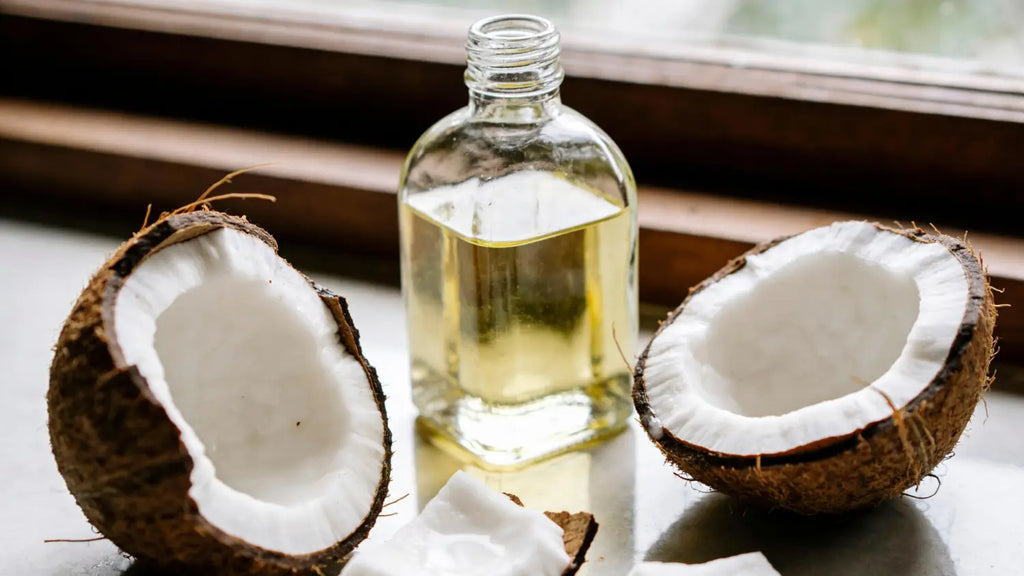
Oil pulling helps remove bacteria and can stimulate saliva production, among other benefits. It’s very simple: swish one tablespoon of oil around your mouth for up to 20 minutes. If you’re new to it, start with 5-10 minutes and gradually work your way up. As you swish, the oil will turn into a thin, milky liquid.
When you’re done, spit the oil into the trash. Never spit it down the sink, as oils can cause clogs over time. Be sure not to swallow it, since it contains bacteria, toxins, and debris pulled from your mouth.
Good oil options include olive oil, coconut oil, or premade Ayurvedic mouth oils.
If you choose a premade oil, pay close attention to quality. Look for food-grade, cold-pressed, organic oils. Be cautious with products that include herbal additives, as some may contain heavy metals or toxins above safe levels.
For a quick visual guide that shows exactly how oil pulling works, you can follow this short tutorial video to get started and see if it’s something you enjoy.
It’s also important to note that while some studies suggest oil pulling may help reduce cavities and gingivitis, the American Dental Association (ADA) does not consider it a replacement for brushing and flossing.
Tooth Powder
Making a natural tooth powder is easy and requires just a few basic ingredients: baking soda, stevia or xylitol, peppermint, and ground cinnamon or cloves. Each ingredient plays a role. Baking soda helps clean and detoxify the mouth, stevia or xylitol adds sweetness, peppermint has antibacterial properties and freshens breath, and cinnamon or cloves help sanitize while easing sensitivity to hot and cold.
Baking soda is effective, but because it’s mildly abrasive, this tooth powder is best used 2–3 times per week as part of a balanced oral care routine.

BM249 temporarily supports oral health and the balance of healthy bacteria in the mouth and digestive system. Temporarily relieves occasional gum swelling, bad breath, and discomfort due to cavities.
Recipe:
Combine four rounded tablespoons of baking soda, ½ teaspoon of ground cloves, and one teaspoon of ground cinnamon in a glass container with a lid. Add stevia or xylitol until you reach your preferred level of sweetness. You can adjust the cinnamon and clove amounts to make the powder more pleasant to use. If you’d like to change the flavor, try adding a drop of peppermint essential oil.
Toothpaste
This homemade toothpaste is a gentle, natural alternative to conventional formulas. Coconut oil supports gum health and helps balance oral bacteria, baking soda assists with cleaning and freshness, and peppermint leaves the mouth feeling clean and refreshed. Clove or cinnamon may be added for extra gum-soothing and protective benefits.
Recipe:
Allow ½ cup of coconut oil to soften or melt, making sure it doesn’t get too hot. Add three tablespoons of baking soda and about 15 drops of peppermint essential oil. Sweeten with stevia, adding a little at a time and tasting as you go.
You can also include optional ingredients like ground clove or cinnamon to support gum and tooth health. Mix everything thoroughly, then allow the mixture to cool until it solidifies. To use, simply scoop a small amount onto your toothbrush.
If the mixture gets too warm and separates, just stir it and place it somewhere cool (like a refrigerator or cooler) until it solidifies again.
Homemade Mouthwash
Fresh breath often goes hand in hand with a healthier mouth. However, many conventional mouthwashes aren’t as helpful as they’re marketed to be, especially when used daily.
A large number of commercial mouthwashes contain alcohol and strong antibacterial agents. While these ingredients can temporarily reduce odor-causing bacteria, they don’t discriminate. Over time, they may also wipe out beneficial oral bacteria that help maintain a healthy balance in your mouth.
Regular use of harsh mouthwash has been associated with issues such as:
-
Dry mouth (which actually increases the risk of cavities and bad breath)
-
Disruption of the mouth’s natural pH balance
-
Irritation of oral tissues
-
Rebound bad breath once the effects wear off
A gentler approach that supports your mouth’s natural environment is often a better option. And you can still enjoy a fresh, clean feeling using simple DIY mouthwashes that are effective without being harsh.
Gentle Baking Soda Mouthwash
This is a mild, tooth-friendly option that helps neutralize acids and support a balanced oral environment.
Recipe:
-
1 cup filtered or distilled water
-
1 slightly rounded tablespoon of baking soda
-
Optional: a few drops of peppermint or spearmint essential oil
-
Optional: a small pinch of stevia for sweetness
Baking soda helps balance acidity in the mouth without stripping beneficial bacteria. Stevia is tooth-safe and won’t contribute to cavities.
Salt & Herbal Mouth Rinse
This is especially helpful for irritated gums or after dental work.
Recipe:
-
1 cup warm filtered water
-
½ teaspoon sea salt or Himalayan salt
-
Optional: chamomile or sage tea (cooled) instead of plain water
Salt helps soothe inflamed tissues and supports the mouth’s natural healing process, while herbal teas add gentle antibacterial and calming properties.

The Bottom Line
If you’ve made it this far, it’s clear you care about your oral health—and that’s a great first step. Dental and oral diseases are incredibly common. In fact, according to the World Health Organization, nearly 100% of adults experience at least one dental cavity in their lifetime.
Fortunately, simple and consistent habits can go a long way in protecting your teeth and supporting long-term oral health. By making small changes and sticking with them, you’ll likely notice improvements not only in your smile, but in your overall health and well-being too.
Leave a comment