





Fatigue: More Than a Good Night's Sleep Can Fix
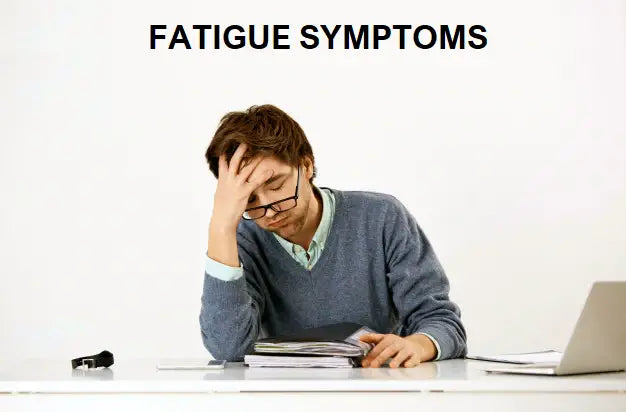
Fatigue is a symptom you feel, not a disease. You may wake up without energy and stay tired all day. That differs from being tired after a long day of activity, which sleep usually fixes. With fatigue you lose interest in people and activities you normally enjoy, and rest rarely restores your energy.
Fatigue is not the same as drowsiness. You can feel sleepy and still be able to function. Fatigue includes lack of motivation, low energy, and reduced capacity for physical or mental work.
What causes fatigue?
Many things can trigger ongoing fatigue. Broad categories include medical conditions, lifestyle factors, workplace issues, and psychological causes. Identifying the cause helps you and your clinician choose the right steps to feel better.
- Medical causes – underlying illnesses can produce long-term exhaustion. If fatigue persists, see your doctor to rule out conditions such as thyroid problems, heart disease, diabetes, anemia, infections, autoimmune disease, sleep disorders, or cancer.
- Lifestyle-related causes – alcohol, drugs, poor diet, lack of regular exercise, or inappropriate sleep habits can produce chronic tiredness.
- Workplace causes – long hours, shift work, repetitive tasks, noisy or physically demanding environments, and chronic stress all drain energy.
- Psychological causes – depression, anxiety, prolonged grief, and chronic stress often show up as fatigue. Mental health treatment can reduce these symptoms.
- Chronic fatigue syndrome (CFS) – this is a complex disorder with extreme fatigue lasting six months or more that does not improve with rest and worsens after activity.
Medical conditions that commonly cause fatigue
anemia, arthritis, fibromyalgia, chronic fatigue syndrome, infections like cold and flu, Addison’s disease, hypothyroidism, hyperthyroidism, sleep disorders like insomnia, eating disorders, autoimmune disorders, congestive heart failure, cancer, diabetes, kidney disease, liver disease, COPD, and emphysema.
Lifestyle causes to watch
Common lifestyle contributors include:

- Lack of sleep – adults typically need around eight hours a night. Short sleep accumulates and reduces daytime energy.
- Too much sleep – regularly sleeping more than 11 hours can produce daytime sleepiness and worsen fatigue.
- Alcohol and stimulants – alcohol disrupts sleep architecture, while nicotine and caffeine can prevent restful sleep.
- Sleep disturbances – noise, children, an uncomfortable bedroom, or a snoring partner can fragment sleep and reduce restorative rest.
- Physical inactivity – regular exercise improves energy, reduces stress, and supports sleep quality.
- Poor diet – very low calorie plans or nutrient-poor processed foods leave you low on fuel. Sugary, high-caffeine quick fixes give short bursts, then crash your energy.
- Personal stressors – illness, injury, heavy responsibilities, or financial strain increase fatigue risk.
Workplace factors
At work, watch for:
- Shift work – working nights or rotating shifts disrupts the body clock and sleep timing.
- Poor workplace practices – long hours, repetitive tasks, extreme temperatures, or isolation increase fatigue.
- Workplace stress – heavy workload, conflicts, bullying, or job insecurity sap energy.
- Burnout – focusing all energy on work while neglecting rest, relationships, and hobbies wears you down.
- Unemployment – the stress and emotional toll of job loss can cause ongoing exhaustion.
Psychological causes
Psychological issues contribute to at least half of fatigue cases. These include:
- Depression – prolonged sadness and loss of interest commonly include persistent fatigue.
- Anxiety and chronic stress – constant alertness keeps the body in overdrive and eventually drains energy.
- Grief – intensive emotional strain after a loss often shows up as exhaustion and low motivation.
If fatigue affects daily life, make an appointment with your doctor. They can run tests, review medications, and screen for medical or psychological causes. Treatment depends on the cause, and may include sleep hygiene changes, a structured exercise plan, dietary adjustments, counseling, or specific medical therapies.
Small changes can add up. Improve sleep consistency, cut evening caffeine and alcohol, add short daytime walks, and choose balanced meals. Track your energy, sleep, mood, and daily activities, so you can report clear examples to your clinician.
If tests come back normal but exhaustion stays, ask about assessment for chronic fatigue syndrome and mental health support. Persistent fatigue is common, but you do not have to accept it as permanent.
Leave a comment