





Headaches: Is Natural Relief Possible?
According to a study by the World Health Organization, at least 50% of adults worldwide have a headache each year. Between 1.7% and 4% of adults have headaches 15 days a month or more, a chronic condition that can take up roughly half of someone’s life. If you live with frequent headaches you don’t have to accept that as the only option; there are prevention strategies and relief methods that may help.
Types of headaches
Medical sources list about 150 different headache types, though a few types account for most cases. Common ones include:
- Tension headaches. The most common, producing mild to moderate, recurring pain without other major symptoms.
- Migraine headaches. Throbbing or pounding pain lasting 4 hours to 3 days, often with sensitivity to light, sound, smell, nausea, or vomiting.
- Cluster headaches. Severe, burning pain around one eye, often recurring daily for weeks or months then remitting for long periods.
- Chronic daily headaches. Headaches on 15 or more days per month for over 3 months, which can be chronic migraine, chronic tension-type, new daily persistent headache, or hemicrania continua.
- Sinus headaches. Deep pain in the forehead, cheeks, or nose bridge that comes with sinus symptoms like nasal discharge or facial swelling.
- Posttraumatic headaches. Begin days after a head injury and can last months, often with dizziness, concentration problems, and intermittent pain.
Less common types
- Exercise headaches. Pulsing pain during or after physical exertion that can last minutes to days.
- Hemicrania continua. A persistent one-sided headache with varying intensity and autonomic symptoms like watery eyes or nasal congestion.
- Hormone-related headaches. Fluctuating estrogen levels around periods, pregnancy, or menopause can trigger headaches, including menstrual migraine.
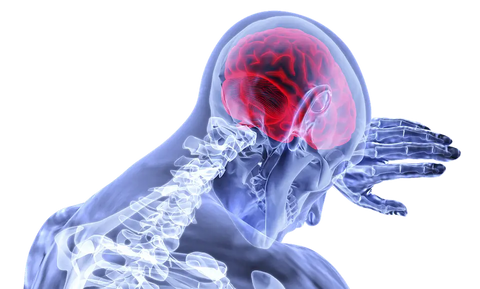
What causes headaches
Headache pain arises from signals between the brain, blood vessels, and nearby nerves. Common triggers include:
- Stress, anxiety, or depression.
- Medication overuse, which can produce rebound headaches.
- Infections such as colds, sinusitis, ear or throat infections.
- Alcohol and hangovers.
- Environmental triggers. Tobacco smoke, strong odors, allergens, certain foods, pollution, bright lights, noise, and weather shifts.
- Genetics. Migraine often runs in families; risk is higher if one or both parents have migraines.
Less common triggers include coughing, sneezing, dental work, eating cold foods, eye strain, muscle tension, sexual activity, trauma, and premenstrual syndrome.

Symptoms to watch for
Headache intensity varies from mild to disabling. Possible symptoms include:
- Nausea or vomiting
- Eye or neck pain
- Dizziness
- Light sensitivity
Treatment options
Tension headaches often respond to over-the-counter pain relievers like ibuprofen or acetaminophen, but these drugs can cause stomach upset and other side effects when used frequently. Some prescription options for severe headaches include NSAIDs and barbiturate-containing combinations, both of which carry risks. Medication overuse can also worsen headaches.
Talk with your doctor about risks and don’t exceed recommended doses. If you prefer alternatives, several natural approaches have evidence or long histories of use and may reduce symptoms for some people.
Natural relief strategies
Here are practical, low-risk methods you can try alone or alongside medical care.
- Hot and cold therapy. A cold pack on the forehead can numb migraine pain; a warm pack or heating pad on the neck eases tension headaches.
- Remove external pressure. Loosen tight hairstyles, headbands, or hats that press on your scalp.
- Massage. Neck, shoulder, temple, and scalp massage reduce muscle tension. Adding essential oils can improve relaxation for some people.
- Caffeine in moderation. A small amount of caffeine can reduce migraine pain for some sufferers by constricting blood vessels, but avoid dependence or large amounts that trigger rebound headaches.
- Relaxation practices. Yoga, meditation, and regular aerobic exercise lower headache frequency over time. Keep a headache diary to track patterns and triggers.
- Acupuncture. Thin-needle acupuncture helps some people reduce headache frequency and intensity, with mixed evidence across studies.
Supplements and remedies
Certain nutrients and herbs have research support for headache prevention or symptom reduction.
- Magnesium. Low magnesium links to migraine. Eat magnesium-rich foods like broccoli and bananas or try supplements after checking bioavailability and dose with a provider. An Epsom salt bath offers topical magnesium relaxation; dissolve about 300 grams and soak 15 to 20 minutes.
- Vitamin D. Low vitamin D may play a role for some people. Sun exposure and appropriate supplementation can help, but check dosage to avoid hypercalcemia, which causes nausea and weakness.
- Feverfew. Taken consistently for weeks, feverfew can reduce migraine pain and light sensitivity for some people.

Bottom line
Frequent headaches have many causes and types. Work with your doctor to rule out serious conditions and discuss prescription options when needed. If you want to reduce medication use or try complementary approaches, a combination of trigger management, lifestyle change, targeted supplements, and simple self-care techniques often reduces frequency and severity over time. Track your symptoms and stick with any natural approach for several weeks to judge its effect.
Leave a comment