





Hypothyroidism or Adrenal Fatigue: How to Tell the Difference
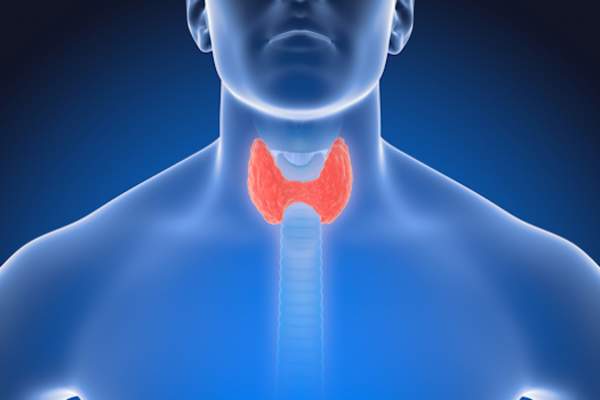
Feeling unusually tired and seeing strange symptoms around your body is unsettling. Two common hormonal issues people confuse are hypothyroidism and adrenal fatigue. They share symptoms, but the cause and treatment differ, so identifying which one fits your situation matters.
How the thyroid affects your body
Your thyroid gland controls metabolic rate and energy. When it produces too little hormone, hypothyroidism follows. Typical signs include:
- Fatigue
- Weight gain
- Feeling cold most of the time
- Joint pain
- Dry skin
- Constipation
- Thinning hair
- Muscle stiffness
- Depression
- Slower heart rate
- Hoarse voice
BM204 is specially designed for hypothyroidism, weight gain, slow digestion, constipation, menstrual irregularity, and infertility in women. Effective natural support for the thyroid gland. It may help balance hormone levels, increases energy levels and mood.
Many people first notice weight gain and low energy. Because those symptoms develop slowly, they often get dismissed until more signs appear. Hypothyroidism is more common in women and can result from autoimmune disease, some medications like lithium, pituitary problems, congenital issues, iodine deficiency, or changes during pregnancy.

Testing for thyroid function is accurate when done correctly. If you suspect a thyroid issue, see a clinician and discuss which blood tests make sense for your situation. Untreated hypothyroidism can lead to heart disease, nerve damage, and goiter.
What people describe as adrenal fatigue
Adrenal fatigue refers to a group of symptoms people develop when their adrenal glands seem worn from prolonged stress. Typical complaints are:
- Fatigue
- Unexplained weight loss
- Dizziness
- Hair loss
- Loss of appetite
- Hyperpigmentation
- Aches and pains
- Increased anxiety
- Weakness
- Insomnia

BIO16 is recommended for nervous exhaustion, fatigue, or sleeplessness resulting from stress and anxiety. Natural support for your nervous system to help cope with everyday stress and negative events.
Clinically recognized adrenal insufficiency is different. It often results from pituitary dysfunction and brings additional symptoms like vomiting and severe weakness. Traditional doctors treat adrenal insufficiency based on hormone testing. Adrenal fatigue, lacking a standard definition, may not be accepted by every provider, which makes diagnosis and treatment inconsistent.

BM186 is useful for emotional distress and trauma. It may help your body to deal with fatigue and poor concentration. Effective natural support for anxiety and ability to cope with stress.
When to see a clinician
If fatigue, weight change, sleep problems, or mood shifts interfere with life, schedule an appointment. Ask about thyroid testing (TSH, free T4, free T3, and antibodies when indicated) and about evaluating adrenal function when symptoms fit adrenal insufficiency. Keep a symptom journal with timing, sleep patterns, diet, stressors, and medications to help your clinician.
Practical steps you can take now
- Manage sleep and reduce evening screen time to improve recovery.
- Prioritize regular, balanced meals including protein, healthy fats, and vegetables.
- Introduce gentle movement, like walking or yoga, rather than intense exercise when you feel exhausted.
- Address chronic stress with concrete actions: set boundaries, schedule breaks, and try focused breathing or short walks during the day.
- Review medications with your clinician, since some drugs can affect thyroid or adrenal function.
Both conditions can be managed better when you get a clear diagnosis and follow a treatment plan tailored to your tests and symptoms. If you suspect an issue, take action and get tested. Small, consistent changes to sleep, diet, stress, and movement improve energy and give your clinician useful data for treatment decisions.
Which condition are you suffering from?
Leave a comment