





Japanese Forest Bathing Benefits: Shinrin-yoku for Mind and Body
If you've been feeling overwhelmed, burned out, or just mentally cluttered, you're definitely not alone. Life moves fast: there’s always something to scroll, reply to, or worry about. But there’s a quiet, grounding practice that’s been gaining attention lately, and it doesn’t require a retreat or a digital detox plan. It’s called forest bathing or Shinrin-yoku as it’s known in Japan.
This practice is all about slowing down and immersing yourself in nature. It's not hiking or power-walking with a podcast; it's simply being in the forest, soaking it in with your senses. It might sound a little poetic or odd at first, but more and more people are turning to it for the Japanese forest bathing benefits that go far beyond just feeling relaxed, especially when it comes to mental health.
If you’re looking for a new self-care ritual or just craving a break from screen time, this practice might be exactly what you didn’t know you needed. And if you don’t live near a forest? No worries, there are still plenty of ways to connect with nature wherever you are!
What is Forest Bathing?
Forest bathing, or Shinrin-yoku, is a Japanese practice that literally means “taking in the forest atmosphere” or “forest bathing.” It’s all about immersing yourself in nature, using your senses to experience the forest in a slow, mindful way.
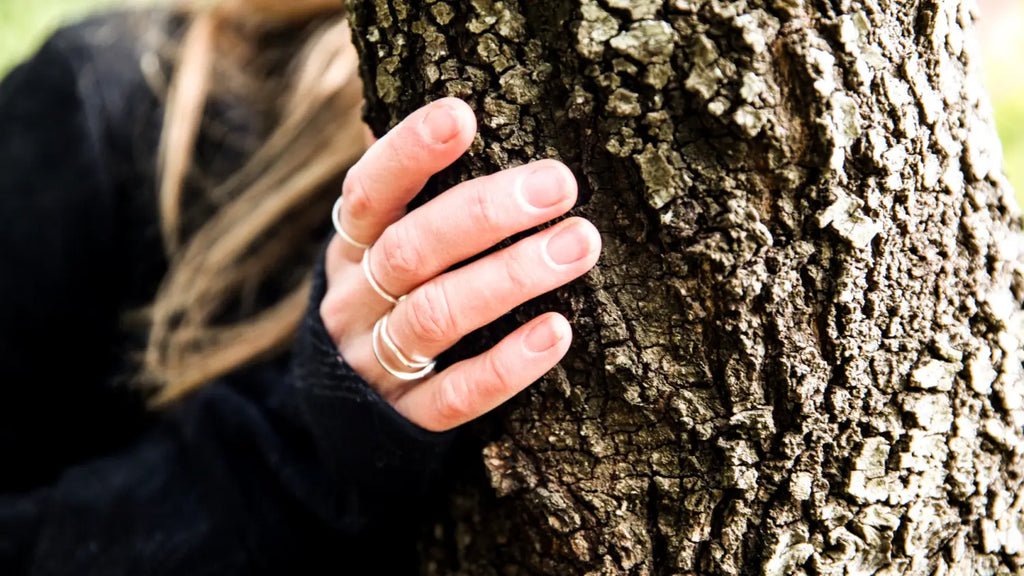
It’s not hiking. It’s not jogging. It’s not about distance or breaking a sweat. Instead, it’s slowing down, tuning in, and being fully present. You walk at a relaxed pace, breathe deeply, observe the light filtering through the trees, listen to the rustle of leaves, maybe even touch the bark of a tree or smell the earth after it rains. You let the forest’s nature in through your senses.
What makes Shinrin-yoku unique is this intention of connection. You're not just walking through nature; you’re actually with it. Think of it as quality time with the natural world: no phones, no podcasts, no goals. Just you and the forest.
The practice originated in Japan in the 1980s as a response to the high levels of stress and burnout caused by urban living and overwork. Since then, it’s spread globally, and for good reason; people are rediscovering how powerful it is to just be in nature, fully and quietly.

Mental Health Benefits
Forest bathing isn’t just a feel-good activity; there’s science showing real mental health gains.
- Reduces stress: Time among trees lowers cortisol. Many people feel calmer after 20 to 30 minutes in a green space.
- Improves mood: Nature exposure reduces symptoms of anxiety and depression.
- Clears the mind: People report better focus, clearer thinking, and less mental fog after intentional nature time.
- Builds resilience: Regular visits to green spaces support emotional regulation and creative thinking.

BIO16 temporarily relieves occasional nervous exhaustion, anxiousness, restlessness, tiredness, or sleeplessness resulting from stress. Temporarily supports your nervous system to help you cope with everyday stress and negative events.
After a forest bathing session many people notice improved attention and a calmer inner state. That clarity lasts into the next day for a lot of people.
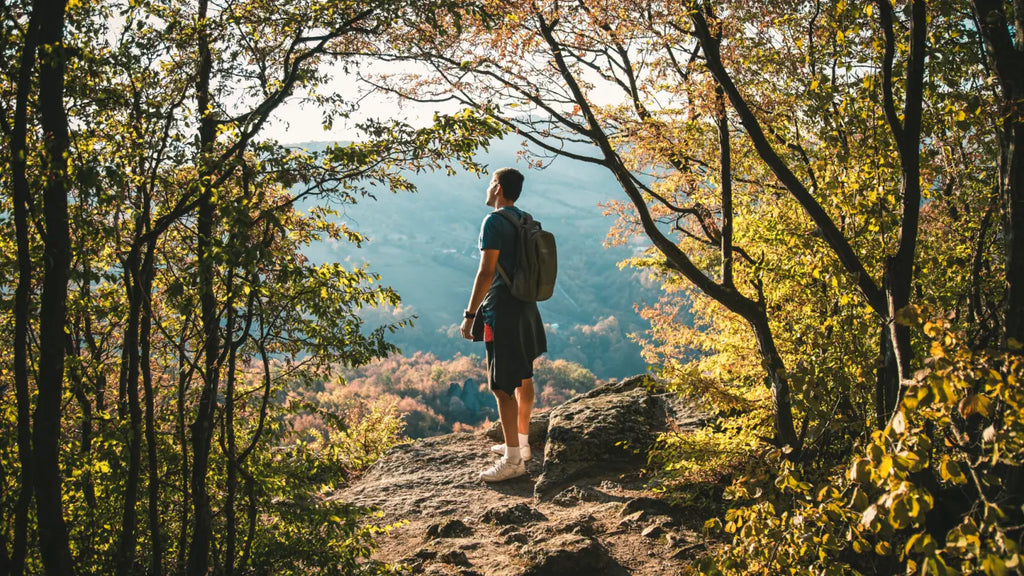
Physical Health Benefits
Forest bathing supports the body in measurable ways.
- Lower blood pressure: Calm, natural settings reduce heart rate and relax blood vessels.
- Immune boost: Studies show increased activity of natural killer cells after time in forests, linked to inhaling tree-released phytoncides.
- Better sleep: People often sleep more deeply after hours spent in a forested area.
- Gentle movement: Slow walking and light stretching outdoors supports fitness without intensity.
Why Science Supports It
Researchers find consistent changes in brain and body after time in nature. Nature exposure reduces activity in brain areas tied to rumination, and it boosts regions linked to emotional regulation and creativity.
Forest bathing also activates the parasympathetic nervous system, the so-called "rest and digest" mode, which helps the body recover and recharge.

BIO24 temporarily supports your energy, ability to cope with stress, physical health, immune system, and ability to remain alert, fresh, and calm all day. It also temporarily supports your body's ability to manage, absorb, and use nutrients.
Even short forest visits reduce heart rate and cortisol. Research points to benefits for inflammation, chronic illness, and possibly longevity.
How to Practice Forest Bathing
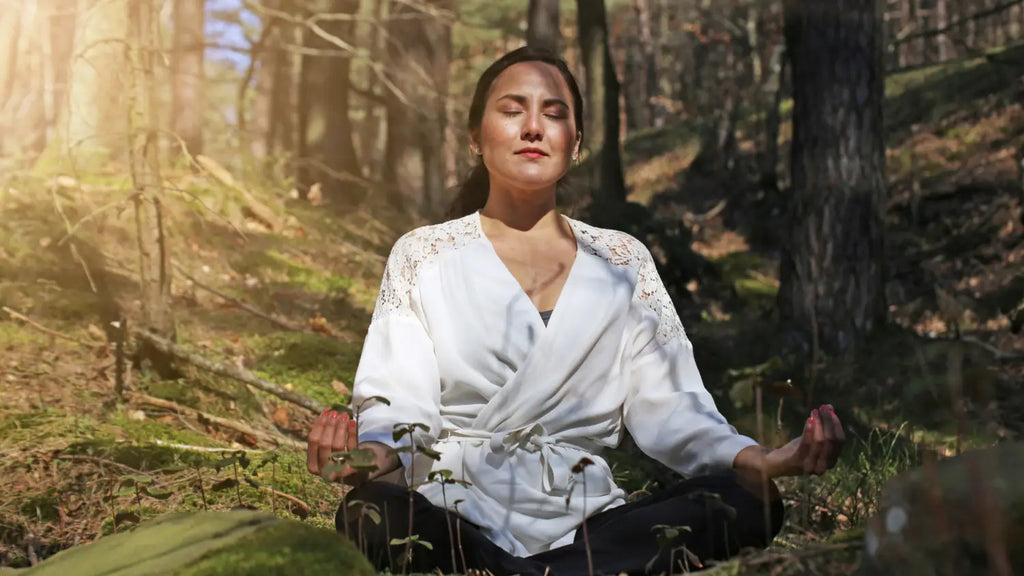
Start with a small block of time, even 20 to 30 minutes. Find a green spot, ideally with trees, and set a slow pace. This is not exercise, it’s presence.
Engage your senses: listen to leaves and birds, notice colors and textures, breathe the air, touch bark, or pause by water. If a thought arises, notice it and return your attention outward. Leave your phone behind if you can, or put it on silent.
You can sit on a bench, wander for an hour, or stand under a tree for five minutes. The format does not matter, presence does. You can go alone or with someone who agrees to keep the time quiet and slow.

No Forest? Options That Work
You don't need a deep forest. Parks, riversides, community gardens, or tree-lined streets work. Even a balcony with plants or an open window helps.
Look for small pockets of green: botanical gardens, campus groves, urban trails, or rooftop gardens. If you can’t go outside, bring nature indoors with plants, nature sounds, or scents like cedarwood or pine.
Try micro-sessions: step outside for five minutes during a break, take your coffee under a tree, or stand barefoot on grass. Regular short sessions add up.

Bottom Line
Forest bathing offers quiet presence and clear benefits for mind and body. You don’t need perfect conditions or a big plan. Pause, breathe, and spend time with nature. The Japanese forest bathing benefits show up in calmer nerves, clearer thinking, better sleep, and a stronger immune response.
Try a short session this week and notice how you feel afterward.
Leave a comment