





Natural and Homeopathic Remedies for Hay Fever
Hay fever can derail your day, but a mix of simple natural practices and targeted homeopathic remedies can reduce symptoms and help you feel better fast.
What Is Hay Fever?
Hay fever, or allergic rhinitis, happens when the immune system overreacts to airborne allergens like pollen, dust mites, pet dander, and mold. The immune response releases histamine and other chemicals, causing inflammation in the nose, eyes, throat, and sometimes skin.

Common Symptoms
Typical signs include sneezing, runny or blocked nose, itchy or watery eyes, itchy throat or ears, coughing from postnasal drip, and fatigue from poor sleep or constant irritation.
Why Try Natural Remedies?
Many people choose natural approaches to reduce side effects, lower costs, and try options that support overall wellness. Some methods are inexpensive and practical to use alongside conventional care. Still, results vary by person, and you should stop anything that causes harm or interferes with prescribed medicines.

Top 10 Natural Remedies
Try these options to reduce exposure and soothe symptoms. Pick what fits your routine and needs.
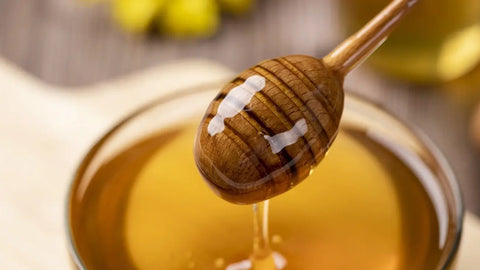
1. Local honey
Some people eat local honey daily to introduce small amounts of regional pollen. Clinical evidence is limited, but many report milder symptoms over time.
2. Quercetin
Quercetin is a flavonoid in apples, onions, and berries. It has anti-inflammatory and antihistamine effects that can help control symptoms for some people.
3. Vitamin C
Vitamin C supports immune function and reduces inflammation. Eat citrus, strawberries, kiwi, and bell peppers, or take a supplement if your diet is low in vitamin C.
4. Butterbur
Standardized butterbur extract has shown benefits for allergic rhinitis in some studies. Use products that are labeled free of pyrrolizidine alkaloids.
5. Saline nasal rinse
Rinsing the nose with saline clears allergens and mucus. Use sterile or distilled water and keep equipment clean to avoid infection.
6. Steam inhalation
Steam moistens irritated passages and eases congestion. Adding a couple of drops of eucalyptus or peppermint oil can help, but keep your face far enough from hot steam to avoid burns.
7. Track pollen forecasts
Check local pollen counts and schedule outdoor activities for lower-pollen times to reduce exposure.
8. Probiotics
Certain probiotic strains can influence immune response. Try fermented foods like yogurt, kefir, or a targeted supplement after consulting a practitioner.
9. Acupuncture
Some people find acupuncture reduces symptom severity and frequency. Look for a licensed acupuncturist and monitor results over several sessions.
10. Local plant-based remedies
Herbs like stinging nettle have traditional use for allergy symptoms. Use prepared supplements or teas from reputable brands and follow dosing guidance.
How Homeopathy Can Help
Homeopathy uses highly diluted substances chosen to match a person's symptom pattern. Practitioners aim to reduce sensitivity and support the body's response. Homeopathic remedies are usually well tolerated, but effectiveness varies and professional guidance helps match the remedy to symptoms.

Five Common Homeopathic Remedies
These remedies match distinct symptom patterns. Work with a homeopath for the right choice and potency.
Allium cepa (Onion)
Symptoms: Watery, burning nasal discharge and bland eye discharge. Worse in warm rooms, better outdoors. Use for profuse watery symptoms with stinging.
Arsenicum album (Arsenic)
Symptoms: Thin, burning nasal discharge, frequent violent sneezing, restlessness, and exhaustion. Symptoms often worse at night and better with warmth.
Euphrasia officinalis (Eyebright)
Symptoms: Acrid eye discharge with burning, itching, and light sensitivity, often with nasal symptoms. Useful when eye irritation is the main complaint.
Natrum muriaticum (Table Salt)
Symptoms: Thin, watery nasal discharge, dryness and irritation, frequent morning sneezing, worse in sunlight. Often recommended for symptoms that improve at the sea.

Nat Mur is used for dryness or wetness issues across the body. It may help with runny nose, dry throat, and related complaints.

Practical Tips
- Keep windows closed on high pollen days and run an air filter if possible.
- Shower and change clothes after being outside to remove pollen from skin and hair.
- Use saline rinses daily during peak season to reduce nasal allergen load.
- Talk to your doctor before combining supplements or homeopathic remedies with prescription medicine.

The Bottom Line
Use a mix of practical avoidance, simple remedies like saline rinses and vitamin C, and targeted options such as butterbur, probiotics, or carefully chosen homeopathic remedies. Track what helps, and consult a clinician for persistent or severe symptoms.
Cheers to clearer days ahead.
Leave a comment