





Natural Oral Health Care: Tips for Healthy Teeth and Gums
Dental and oral health is much more important than you might assume. It plays a crucial role in your overall health, which is why taking proper care of your teeth is essential to your well-being. This requires a lifetime practice of good oral hygiene habits that can help prevent expensive dental procedures and long-term health problems in the future.
Dental health also affects your self-esteem and daily comfort. Whiter teeth, fresher breath, and fewer cavities are within reach when you follow consistent habits and make small adjustments.

BIO23 temporarily relieves occasional tooth and nerve discomfort, as well as involuntary muscle contractions that lead to jaw discomfort. Temporarily supports the regeneration of nerves and enamel following dental work or surgery.
How oral health affects the rest of your body
There are around six million bacteria living in your mouth. Most of them are harmless, but if oral hygiene slips some strains can multiply and travel to other areas of the body.
Your mouth is the main entry point to your digestive and respiratory systems. When oral hygiene is poor, bacteria can reach sensitive tissues and raise the risk of problems elsewhere.

Poor oral health links to more than cavities and gum trouble. Commonly reported connections include:
- Heart concerns: Chronic gum irritation and oral bacteria can increase inflammation and have been tied to higher heart risk.
- Pregnancy complications: Some studies show ongoing gum infections relate to higher chances of preterm birth or low birth weight.
- Breathing issues: Bacteria from the mouth can be inhaled and irritate airways, aggravating respiratory conditions.
- Circulation effects: In certain situations, oral bacteria entering the bloodstream can affect the heart and other organs, so dentists often clear infections before procedures.
Health conditions that make oral care harder
- Blood sugar imbalances: High blood sugar increases gum sensitivity and slows healing.
- Weakened immunity: Lower immune defenses let oral irritation persist longer.
- Bone density changes: Jawbone changes can affect tooth stability over time.
- Cognitive decline: Memory or routine disruptions can lead to inconsistent oral care.
Many common medications lower saliva production, including some painkillers, diuretics, decongestants, and antihistamines. Saliva helps neutralize acid and wash away food, so reduced saliva raises decay risk.
With these connections in mind, improving oral care protects more than your smile. Here are practical, natural steps that make a measurable difference.
Daily habits that protect teeth and gums
Small routines practiced consistently yield big results. Focus on these core habits:
- Brush twice a day for two minutes. Hold the brush at a slight angle and cover all surfaces. Two minutes gives fluoride time to work and removes more plaque.
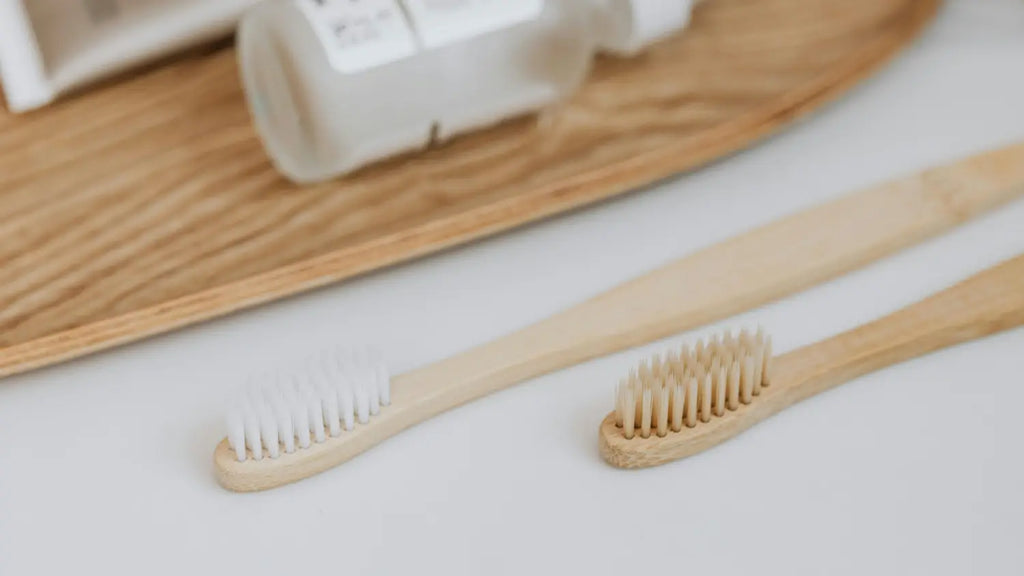
- Pick a soft-bristled or electric toothbrush. Both clean well while protecting enamel and gum tissue.
- Don't skip the tongue. Gently brush your tongue to cut down on bacteria and bad breath.
- Replace your brush every 3 to 4 months. Worn bristles clean poorly and can irritate gums.
- Use fluoride toothpaste. Fluoride strengthens enamel and lowers cavity risk.

Tooth Remineralization temporarily supports natural tooth remineralization, strong enamel, and reduced sensitivity with a gentle, safe formula for healthier teeth.
- Floss every day. Use a gentle sawing motion and follow the curve of each tooth. Floss reaches areas your brush cannot.
- Use an antimicrobial mouthwash when needed. Rinses reduce bacteria in hard-to-brush spots. Choose alcohol-free formulas if dry mouth is a concern.
- Limit sugary and acidic foods between meals. Frequent snacking exposes enamel to repeated acid attacks. Rinse with water after sugary treats if you cannot brush.
- Stay hydrated and encourage saliva flow. Water, sugar-free gum, and foods that require chewing stimulate saliva and help clear debris.
- See your dentist regularly. Routine checkups catch small problems before they become bigger. Your dentist can also give tailored advice based on your history.
Natural supports that help
Alongside daily care, a few natural approaches support oral health:
- Topical remineralization products. These can help strengthen enamel after dental work or sensitivity episodes. Follow product directions and your dentist's advice.
- Oil pulling for short periods. Swishing coconut or sesame oil for 5 to 10 minutes may reduce surface bacteria. It should not replace brushing or flossing.
- Balanced diet rich in vitamins. Calcium, phosphate, and vitamin D support tooth structure. Foods like dairy, leafy greens, and nuts help maintain mineral balance.
Small changes make your daily routine easier and more effective. Pick two habits to start with, then add more as they become comfortable. You will protect your smile and reduce the chances of future dental work.
If you have persistent pain, unusual swelling, or sudden tooth sensitivity, contact your dentist. These signs can indicate infection or other issues that need professional care.
Good oral health supports the rest of your body. Follow these steps and check in with a dental professional regularly to keep your teeth and gums in top shape.
Leave a comment