





Natural Remedies for Anxiety and Skin Health
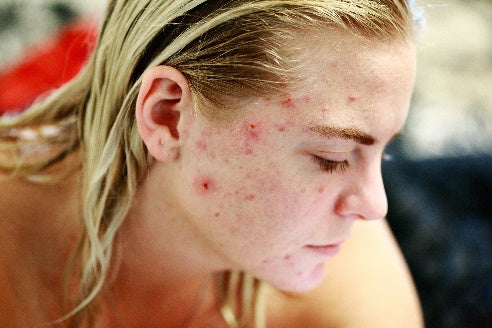
Anxiety affects more than your mood, it can provoke skin irritation and breakouts. An article from Jan 2017 Psychology Today explains how skin conditions often flare when we feel unsafe or out of control. The Anxiety Centre also links elevated stress responses to skin symptoms.
Practical natural approaches to reduce anxiety
Reducing stress helps your skin recover, but cutting anxiety can feel hard. Many people avoid prescription medicines because of side effects or limited benefit. If you want nonprescription options to lower anxiety and improve skin, here are practical, evidence-backed steps to try.
Natural remedies that can lower anxiety
If medication is not your first choice, consider these approaches alongside any medical advice. The following natural remedies can complement care and reduce the frequency and intensity of panic or anxious episodes.
Essential oils for calm
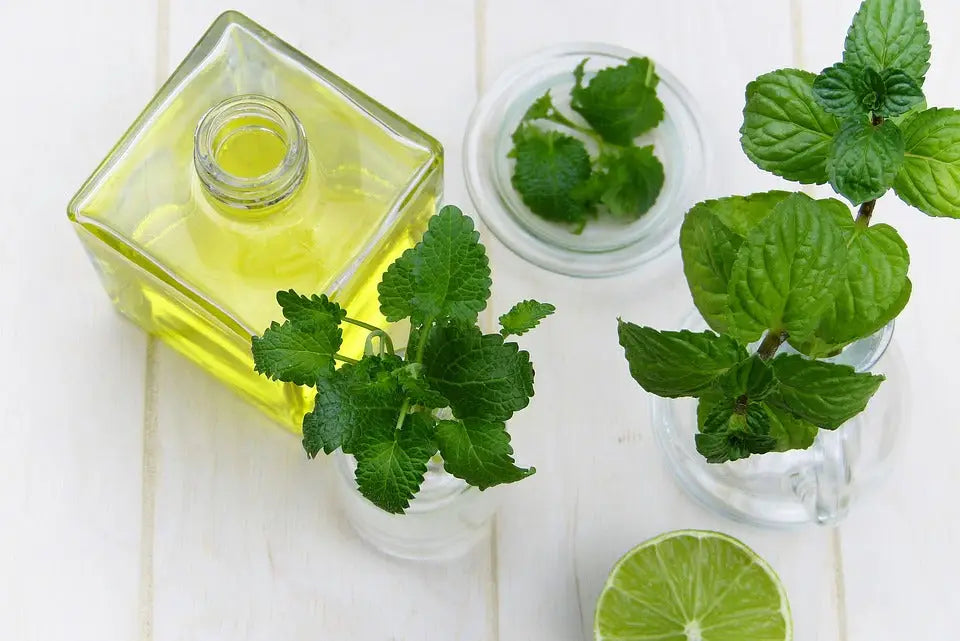
Essential oils come from plants and can support relaxation when used correctly. Use a diffuser, add a few drops to a warm bath, or try inhaling a diluted scent during a stressful moment. Oils commonly used for anxiety include:
- Lavender
- Chamomile
- Frankincense
- Bergamot
- Vetiver
- Rose
Nutrition that helps mood and skin
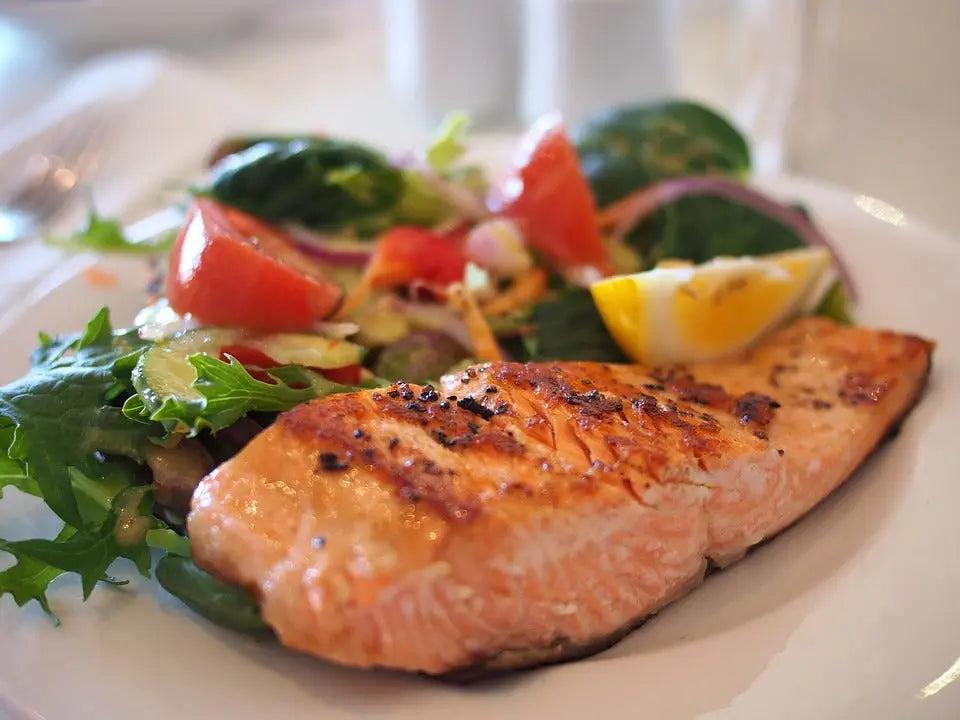
Nutrients influence stress chemistry. Omega-3 fatty acids lower inflammatory markers and can reduce anxiety. Aim for about 2-3 grams of omega-3s daily from food when possible. Good sources include salmon, tuna, flax seeds, walnuts, and whole grains. Supplements are an option, but whole foods also support skin health.
Vitamin D from sunlight
Vitamin D supports mood regulation. Fifteen to 20 minutes of sunlight most days can increase vitamin D and improve energy and mood. Try a short outdoor walk at lunch or spend time on the porch when the sun is out.
Move more
Exercise reduces stress hormones and distracts the mind. Walking outside combines movement and sunlight, which helps both anxiety and skin. If you prefer indoor exercise, aim for consistent activity that raises your heart rate a few times a week.

What to avoid
Limit negative company
The people you spend time with affect your stress. If you’re prone to anxiety, frequent contact with pessimistic or critical people can trigger panic. Seek relationships that are supportive and reduce recurring stressors.
Cut stimulants and depressants
Caffeine, excess sugar, and alcohol can increase anxious feelings and trigger panic attacks. Gradually reduce coffee and sugary snacks, and cut back on alcohol where possible. If quitting feels difficult, talk with a medical professional for guidance.
Alcohol can cause more frequent panic attacks


Final note
These steps won’t cure every case of anxiety, but they reduce stress and the skin flare-ups that come with it. Start with one or two changes, track how you feel, and build from there. If anxiety significantly interferes with daily life, see a clinician for assessment and treatment options.
Leave a comment