





How Poor Sleep Harms Your Emotional Health
Sleep shapes emotions
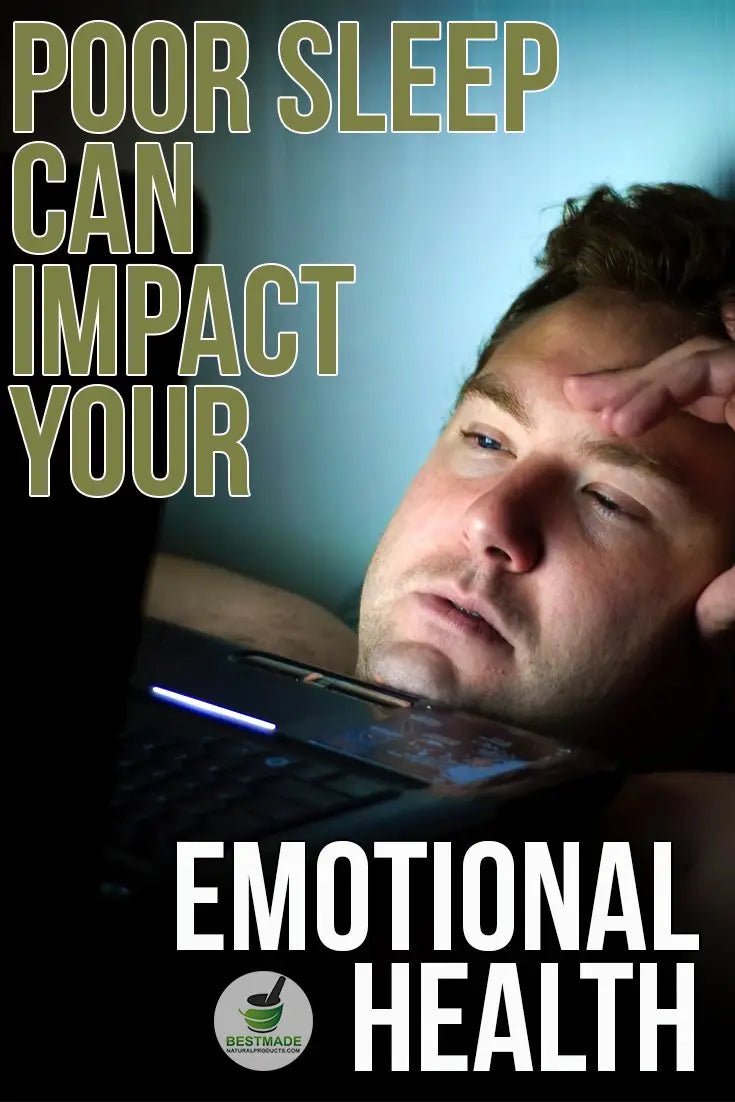
Sleep is a crucial part of your overall health. Even minor sleep loss changes how your brain processes emotions, and that shows up in the way you think, act, and relate to others.
What quality sleep looks like
Each night you cycle through two main sleep phases. Quiet sleep includes deep restorative stages, when blood pressure, temperature, and breathing slow and muscles relax. During this time your body repairs tissues and clears metabolic waste.

During rapid eye movement (REM) sleep you dream and your brain stays active, processing experiences and consolidating memory. REM sleep directly supports emotional processing and learning.
When either quiet sleep or REM gets disrupted, the brain does not complete these maintenance tasks. Stress hormones and certain neurotransmitters rise, and that impairs cognition, emotional awareness, and self-control.
Mental health conditions that disrupt sleep
Many medical issues break sleep patterns, including insomnia, sleep apnea, movement disorders, narcolepsy, chronic pain, and diabetes. Those conditions can worsen mood disorders because disrupted sleep weakens emotional regulation.
Most people diagnosed with depression also have a sleep problem. Insomnia raises the risk of developing depression, and sleep problems often appear before mood symptoms in children. People who continue to have sleep disruption respond less well to treatments, and their suicide risk is higher than for depressed patients who sleep normally.

Sleep problems also tie into anxiety, bipolar disorder, PTSD, and ADHD. Having a sleep disorder raises the likelihood of co-occurring mental health conditions.
How sleep affects emotional skills
Even occasional poor sleep impairs emotion regulation, empathy, and stress coping. Without enough sleep the brain cannot clear waste products efficiently, repair neural networks, or consolidate memories. That reduces decision-making ability, reaction time, and logical reasoning, so feelings drive choices more than careful thought.
Practical next steps
Start by tracking sleep for a week, noting hours and how you feel each day. Improve sleep timing, reduce evening screens and caffeine, and treat medical problems like sleep apnea. If mood symptoms persist with poor sleep, bring both issues up to your clinician so they can treat sleep and mental health together.
Leave a comment