





Reduce Your Toxic Load Naturally: Full Body Cleanse
We live in a world where toxins are everywhere: hidden in our food, the products we use, and even the air we breathe. While our bodies are designed to handle some level of exposure, the sheer number of chemicals we come into contact with daily can overwhelm our natural detox systems. The result? Fatigue, hormone imbalances, skin issues, and even long-term health risks.
But here’s the good news: you have more control than you think. By making simple swaps and lifestyle changes, you can significantly reduce your toxic load and support your body’s ability to detox naturally. And no, this isn’t about living in fear or throwing out everything you own. It’s about making informed choices, one step at a time, that lead to a healthier, more balanced life.
This guide explains common toxin sources, practical swaps, and everyday habits that support a full body cleanse. Use the tips you can adopt now and add others over time.

BM5 temporarily supports immune function, gentle and natural detoxification, assists the body in managing environmental toxins, pollutants, and chemicals, and promotes kidney and liver health.
Where Toxins Come From
It’s easy to picture pollution and industrial waste, but many toxins live inside our homes and routines. Cleaning supplies, personal care items, processed food, and household materials all contribute to your toxic load. Once you know the sources, you can start replacing the highest-impact items first.
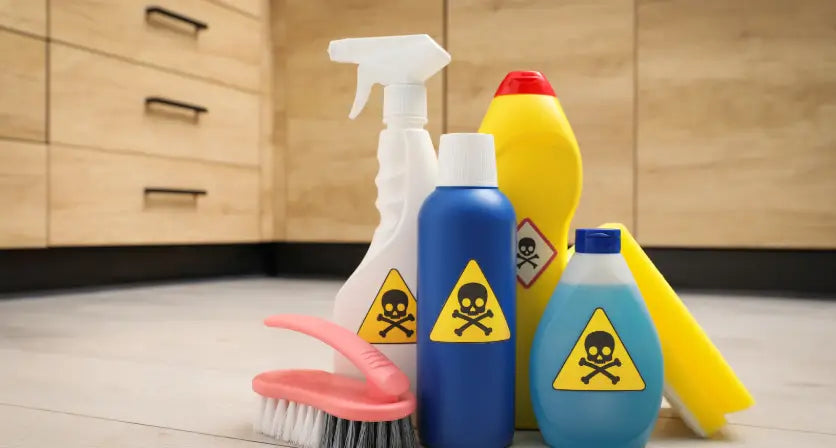
1. Household Cleaning Products
Store-bought cleaners often contain synthetic fragrances and volatile organic compounds (VOCs) that can trigger headaches and irritate lungs. Bleach and ammonia create dangerous fumes if mixed. Many cleaners also leave residues on surfaces, so skin contact and inhalation add up over time.
2. Personal Care and Beauty Products
Look at shampoo, lotion, and deodorant labels. Parabens, phthalates, sulfates, and generic "fragrance" hide dozens of undisclosed chemicals. Fragrance formulas are often petroleum-based and can cause allergies, skin irritation, and hormone disruption. Some conventional deodorants include aluminum compounds that some people prefer to avoid.
3. Processed Foods and Additives
Processed foods can carry artificial sweeteners, dyes, and preservatives that affect digestion and behavior in sensitive people. Processed meats often contain nitrates and nitrites. Canned foods may leach BPA from linings. Pesticides on conventionally grown produce can remain after washing and affect hormones and neurological health over time.
4. Environmental Pollutants
Air pollution, water contaminants, and consumer goods add to the load. Non-stick cookware can contain perfluorinated chemicals (PFCs). Furniture and mattresses treated with flame retardants can off-gas. Many plastics contain endocrine disruptors like BPA and phthalates that can migrate into food and drink.
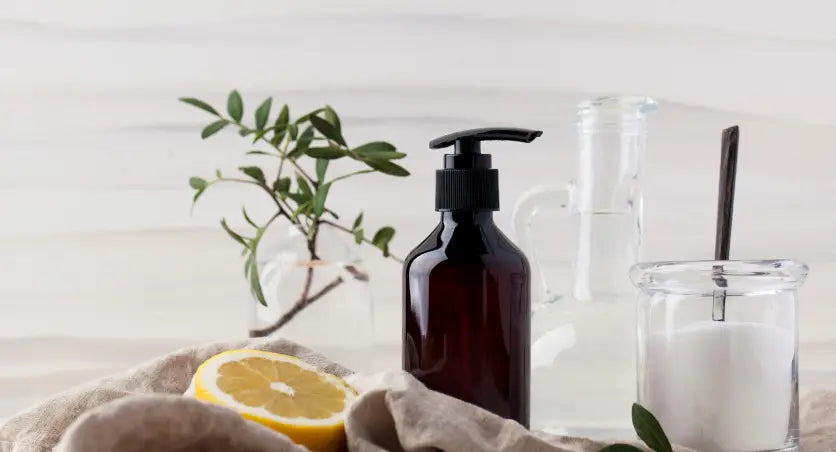
Practical Natural Alternatives
You don’t have to replace everything at once. Start with high-use items and swap them for simpler, safer options.
Cleaning Without Harsh Chemicals
White vinegar and baking soda handle most cleaning tasks. Mix vinegar and water with a few drops of essential oil for an all-purpose spray. Baking soda forms an effective scrub paste. Essential oils like lemon or tea tree add scent and antimicrobial properties without synthetic chemicals.
Natural Personal Care
Use products with short, recognizable ingredient lists. Coconut oil works as a moisturizer and makeup remover; diluted apple cider vinegar makes a toner. Swap aluminum-based deodorants for natural formulas or try a homemade blend with coconut oil, arrowroot powder, and beeswax. For fragrance, choose essential oil blends over "fragrance" on the label.
If you want recipes and product ideas, see this simple homemade deodorant method and other natural alternatives: make your own.
Food Choices That Cut Exposure
Buy fresh or frozen produce when you can, and choose organic for high-pesticide crops. Reduce processed meats and packaged foods. Use glass or stainless steel for storage and reheating, avoid microwaving food in plastic, and choose BPA-free cans or fresh alternatives when possible.
Reduce Household Pollutants
Ventilate during cooking, avoid non-stick pans for high-heat cooking, and choose furniture with low-VOC finishes when possible. Replace plastic food containers with glass, and limit handling of thermal receipt paper when you can.
Everyday Habits to Support Detox
Small lifestyle changes help your body process and eliminate chemicals more efficiently.
- Hydrate with filtered water to support kidney function and help flush toxins.
- Eat fiber-rich foods, cruciferous vegetables, and foods high in antioxidants to support liver detox pathways.
- Prioritize sleep, since detoxification processes run during restful sleep cycles.
- Move regularly. Sweating through exercise helps eliminate some toxins, and movement supports circulation and lymph flow.
- Manage stress. Chronic stress impairs detox systems, so include breathwork, walks, or other activities that calm your nervous system.
Practical Next Steps
Start with the three highest-impact swaps you can make this week: one cleaning product, one personal care product, and one food-storage habit. Track how you feel over a few weeks. Small, consistent changes build up and reduce your toxic load over time.
If you want targeted support, consider products that promote liver and kidney health while you make these changes, like BM5. Talk with your healthcare provider before starting any supplement, especially if you have chronic conditions or take medications.
Reduce exposure, support your body, and make changes you can keep. Over time you’ll notice more energy, clearer skin, and a quieter digestion.
Leave a comment