





Resistance Training for Seniors: Strength, Balance, and Confidence
A lot of people think weight training is only for young athletes or bodybuilders, but it’s one of the best things older adults can do for their health. Strength naturally declines as we age, and many people accept this as something they just have to live with.
You don’t have to accept it. With regular resistance work you can stay strong, mobile, and independent into your 70s, 80s, and beyond. You don’t need to lift the heaviest dumbbells in the gym. Even light weights, resistance bands, or bodyweight movements build muscle, protect bones, and make daily tasks easier.
Strength training helps you keep doing the things you love, with more confidence and less effort. And it’s never too late to start — beginners often notice improvements in strength and energy within weeks.
General benefits of strength training
Strength training does more than change how you look. It makes everyday life easier and reduces health risks. Lifting weights, using resistance bands, or doing bodyweight exercises can bring big gains at any age. Read more about whole-body health
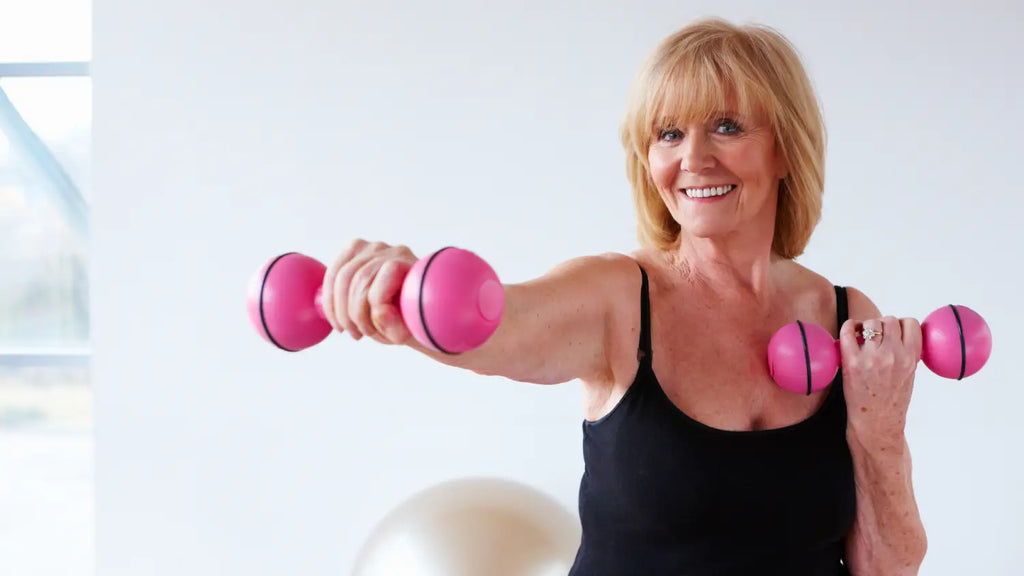
1. Strength for everyday life
Simple tasks like standing from a chair, climbing stairs, carrying groceries, or opening jars all rely on muscle strength. When muscles weaken, those tasks become tiring or risky. Weight training builds and maintains the muscle you need for independence.
2. Better metabolism
Muscle mass drops with age, and that slows calorie burn. Muscles are active tissue, so the more you keep, the more energy your body uses at rest. Resistance training helps preserve muscle and supports weight management. Learn more
3. Stronger bones and safer joints
Bone density falls as we age, increasing fracture risk. Resistance places healthy stress on bone, encouraging rebuilding and greater density. Lifting also strengthens muscles around joints, which reduces pain and improves stability.
4. Heart health and chronic disease risk
Strength work helps lower blood pressure, improves cholesterol profiles, and reduces inflammation. Those changes cut risk for heart disease and Type 2 diabetes when combined with aerobic activity and a sensible diet. Relevant research
5. More energy and better daily focus
Strength training improves circulation and helps regulate blood sugar. Many people report higher energy and clearer focus after a few weeks of consistent training. Why it helps
Why resistance training matters for older adults
Our bodies change with age, but resistance training counters those shifts. It targets the specific losses in muscle, balance, and mobility that raise injury risk and reduce independence. Practical plans
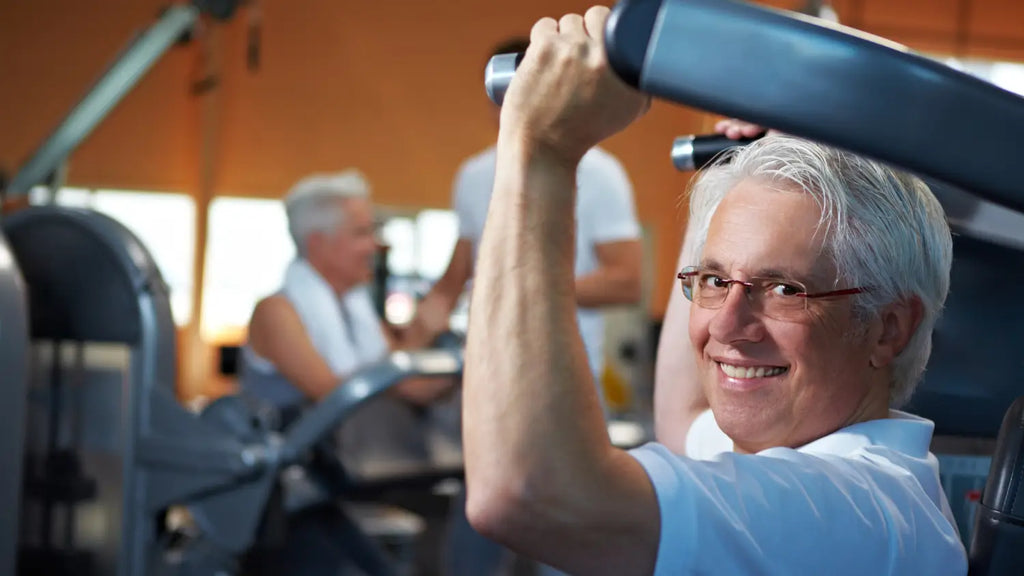
1. Stop muscle loss and rebuild strength
After age 30 people can lose around 3 to 5 percent of muscle mass per decade without intervention. That process, called sarcopenia, speeds up later in life. Resistance training slows and can reverse muscle loss. Even people in their 80s and 90s build muscle with the right program. Clinical results
2. Better balance, fewer falls
Falls cause many serious injuries in older adults. Strengthening legs, core, and stabilizer muscles makes you steadier. Stronger muscles react faster to a trip, lowering fall risk and making uneven surfaces easier to handle.
3. Improved mobility and flexibility
Contrary to the idea that lifting makes you stiff, properly programmed strength work improves range of motion. Exercises that target hips, shoulders, and the spine reduce discomfort and help you walk, reach, and bend with less pain. Examples
4. Cognitive benefits and better mood
Resistance training supports memory, attention, and overall cognitive function. It also releases endorphins and eases symptoms of anxiety and depression, improving daily mood and motivation. Group classes add social benefits, which help mental health too. Brain and mood Research link
Start with two or three sessions per week, focus on compound moves that mimic daily actions, and progress slowly. If you have health concerns, check with a clinician before starting. Small, consistent steps produce big gains over time.
Leave a comment