





Why Supporting Your Gut Health Matters
Your gut breaks food down into the nutrients your body needs. If digestion stalls, you can end up with poor absorption, low energy, and recurring symptoms like bloating or heartburn.
Digestive problems range from mild intolerances to chronic conditions that interfere with nutrient uptake. Taking steps to support your gut keeps that process working, and that affects your whole body.
If you want straightforward ways to care for your gut and signs to watch for, read on.
What is gut health?
Gut health describes the condition of your entire digestive tract: mouth, esophagus, stomach, small intestine, pancreas, liver, gallbladder, colon, and rectum. Together these organs turn food into the vitamins, minerals, proteins, fats, and carbohydrates your body needs.
Microorganisms in your gut help break down food. Different sections of the digestive tract host different communities, and those communities respond to what you eat. Diets high in fat or sugar tend to favor bacteria that feed on those nutrients, while fiber feeds bacteria deeper in the colon.
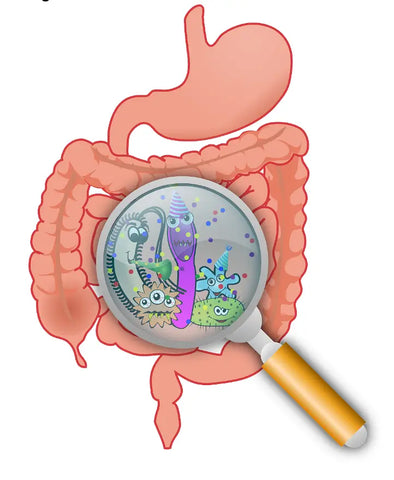
The role of the gut barrier
The gut lining acts as a barrier, keeping harmful bacteria, viruses, and fungi out of the bloodstream. When that barrier becomes more permeable, microbes and undigested particles can cross into the body and trigger inflammation or infection.
Certain conditions, such as irritable bowel syndrome (IBS), inflammatory bowel disease (IBD), and celiac disease, raise the risk of increased gut permeability.
About your microbiome
Your microbiome includes all the bacteria, viruses, and fungi that live on and in your body. The gut houses many of these microbes. Good bacteria feed on fiber from plant foods. Processed foods and simple sugars feed less-helpful microbes.
The balance of microbes affects digestion, immune response, and the production of molecules your body uses. Supporting the beneficial microbes helps them do those jobs more effectively.
Signs of a healthy gut
A healthy gut usually shows up as regular bowel movements, steady energy, normal amounts of gas, and minimal bloating. Transit time and stool consistency can tell you a lot about how your gut is working.

Common signs of an unhealthy gut
- Nausea or vomiting
- Heartburn
- Bloating
- Loose stools or constipation
- Persistent fatigue or trouble sleeping (see tips)
- Skin irritations such as flare-ups of psoriasis
- Unintentional weight changes
- Bad breath or halitosis
These issues can point to an imbalance in gut bacteria, inflammation, or impaired nutrient absorption. If symptoms persist, check with a healthcare provider.
Foods that support a healthy gut
Fiber-rich plant foods feed beneficial bacteria. Sweet potatoes, leafy greens, beets, carrots, fennel, fruits, and whole grains all contribute to microbial diversity. A diverse microbiome is usually a healthier one.
Fermented foods with probiotics, like yogurt, kimchi, sauerkraut, and kombucha, can help increase levels of helpful bacteria such as lactobacilli. Studies show people who regularly eat yogurt have higher levels of beneficial microbes and lower levels of some inflammation-related bacteria.
Antibiotics reduce both harmful and helpful bacteria. If you take antibiotics, follow up with fiber and fermented foods to help replenish good microbes.
Steps to heal and protect your gut
Small changes add up. Try these practical steps:
- Eat a variety of plant-based foods and whole grains to increase fiber intake.
- Include fermented foods like yogurt or sauerkraut several times a week.
- Avoid excessive processed foods and added sugars.
- Manage stress with regular activity, walks, social time, or gentle practices like yoga.
- Prioritize sleep and aim for consistent, quality rest.
- If you need antibiotics, add fiber and probiotic foods afterward to help restore balance.
Track your food and symptoms for a few weeks. That makes it easier to spot patterns and decide what to change. If digestive symptoms persist, consult a clinician for testing and personalized guidance.
More resources
Read about gut health and autoimmune links here, or learn which foods may help heal a leaky gut here.
Leave a comment