





Why More People Are Drinking Less and How to Cut Back
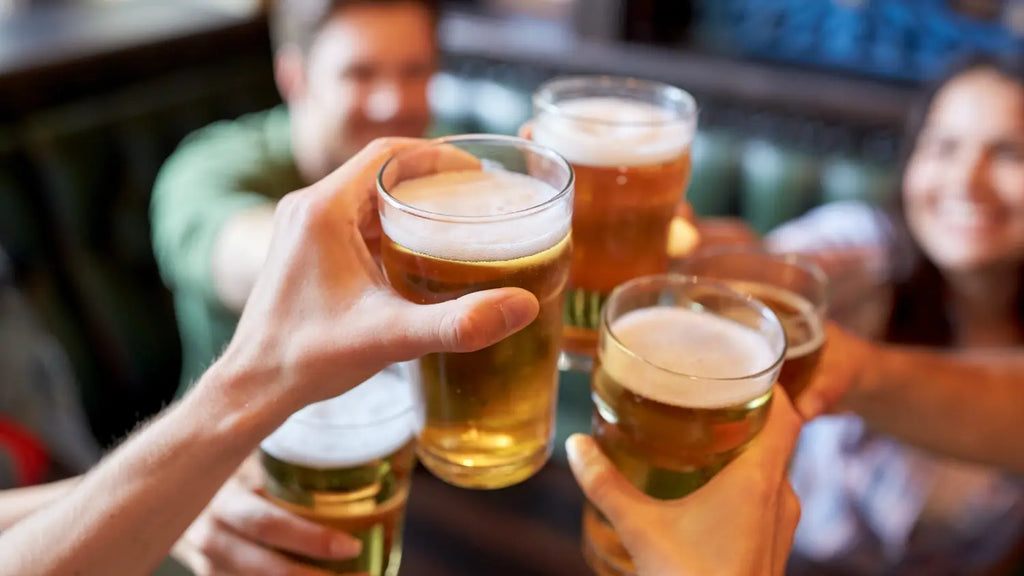
More people than ever are choosing to drink less or not at all. The sober-curious movement is picking up serious momentum. For many, it means drinking more mindfully, cutting back, or asking, “Do I really want this drink?”
Alcohol has long had a mixed reputation. From drunk driving to long-term health issues, its darker side is hard to ignore. But not everything about it is all bad. In moderation, alcohol (especially something like red wine) can actually offer a few surprising benefits. So where’s the line?
This article takes a closer look at the good, the bad, and the downright risky sides of drinking. If you want to reduce alcohol intake or just understand alcohol’s impact better, you’re in the right place.

BM5 temporarily supports immune function, gentle and natural detoxification, assists the body in managing environmental toxins, pollutants, and chemicals, and promotes kidney and liver health.
Why people are rethinking alcohol
More folks are questioning their drinking habits. Not just heavy drinkers. Cutting back on alcohol is growing more common for clear reasons: better sleep, sharper mood, more steady energy, and more control over choices.
This shift is part of the sober curious movement, which focuses on mindful drinking rather than strict rules. Some people pause completely, others reduce frequency or amount, and many simply pay closer attention to how alcohol affects them.
What's driving the change
1. Health and clarity
Alcohol can disrupt sleep, mood, and energy. Many people notice clearer thinking and steadier moods after cutting back.
2. Mental health awareness
Post-pandemic people started paying closer attention to stress and anxiety. Reducing alcohol often helps with concentration and emotional stability.

BIO16 temporarily relieves occasional nervous exhaustion, anxiousness, restlessness, tiredness, or sleeplessness resulting from stress. Temporarily supports your nervous system to help you cope with everyday stress and negative events.
3. Younger generations drink less
Gen Z leads trends away from heavy drinking. Sober bars, alcohol-free events, and creative mocktails make social life easier without alcohol.
4. Flexible approaches
You don't have to quit forever. Skipping alcohol during the week, limiting to one drink, or choosing alcohol-free nights gives people structure without pressure.

Possible benefits of moderate drinking
Some benefits appear at low to moderate levels of drinking, often defined as one drink a day for women and up to two for men. High or frequent intake increases risks and cancels these potential upsides.
Heart-related effects
Certain compounds in red wine, like resveratrol, may support circulation and vascular function. That does not make alcohol a treatment, but a small glass might be one factor in a heart-healthy routine alongside diet and exercise.
Social ease
A drink can help people relax and join conversations. You can still connect without alcohol, but for some, a moderate drink helps them open up and enjoy gatherings.
Blood sugar response
Light wine with a meal may influence post-meal blood sugar handling. That effect is small and not a substitute for proper diabetes care or healthy eating.
Circulation support
Some research suggests one drink might relax circulation, while more than that creates stress on the body. So modesty matters.

Downsides and risks
Even low amounts carry risks, and overconsumption brings clear harms. Pay attention to patterns and how alcohol affects your life.
Common negative effects
Easy to overconsume
One drink can turn into three without you noticing. Larger portions and social cues push consumption higher.
Sleep and mood disruption
Alcohol can help you fall asleep, but it fragments sleep and reduces deep restorative sleep, leaving you tired and foggy the next day.
Long-term health
Higher drinking levels raise the risk for liver disease, certain cancers, and cardiovascular problems. Use moderation if you choose to drink.
Practical steps to cut back
Try these concrete tactics to reduce intake without drama.
Set a clear plan
Decide on rules: no drinks on weeknights, limit to one at dinner, or choose alcohol-free days each week. Write it down and track progress.
Choose smaller portions
Serve wine in smaller glasses, pour half, or bottle single-serve options. Smaller amounts reduce total intake without big effort.
Swap or alternate
Alternate alcoholic drinks with water or try a crafted mocktail. Sodas or sparkling water with citrus can replace the ritual of holding a drink.
Remove temptation
Keep less alcohol at home. If it's out of sight, you’ll reach for it less often.
Find social supports
Tell friends your plan or meet people at alcohol-free events. Having allies makes it easier to stick with choices.
Address cravings and stress
Try brief walks, breathing exercises, or supplements that support stress and sleep. If cravings feel out of control, reach out to a healthcare professional.
Small changes add up. Cut one drink a day, or skip alcohol three nights a week, and you’ll notice benefits in energy, mood, and sleep.
Thinking about cutting back? Start with one concrete rule, track it for two weeks, and adjust from there.
Leave a comment