





Abdominal Pain: Types, Causes, and What to Watch For
Abdominal pain ranges from a minor nuisance to sharp, incapacitating pain that demands attention. Knowing the type and likely cause helps you act faster and describe symptoms clearly to a clinician.
Abdominal pain signals that something inside is off. Treat the sensation as information: where it hurts, how it feels, and what makes it better or worse all narrow the likely cause.
Common types of abdominal pain
Different sensations point toward different problems. Describe your pain in these terms when you talk to a provider.
Cramp-like pain
- Feels like contractions or twisting in the belly.
- Often linked to menstrual cramps, greasy meals, or bowel spasms.
- Common with irritable bowel syndrome (IBS) and other motility issues.
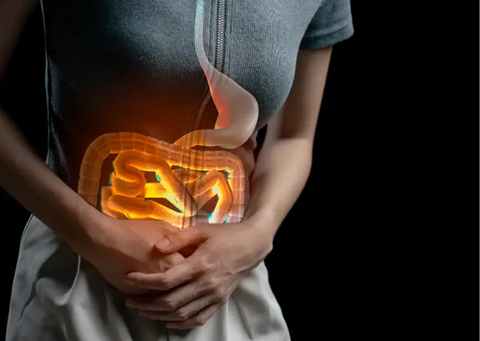
Sharp pain
- Sudden, intense, stabbing sensations.
- Can come from gas or muscle spasm, but also from kidney stones or appendicitis.
Dull pain
- Persistent, aching discomfort that lingers.
- Often tied to constipation, indigestion, or chronic inflammation.
Burning pain
- Sensation of heat or burning in the upper abdomen.
- Suggests acid reflux, gastritis, or other forms of irritation to the stomach lining.
Common causes and where they come from
Grouping causes makes it easier to think through likely sources of pain.
- Digestive issues: Indigestion, overeating, fatty or spicy foods, and constipation commonly produce crampy or dull pain.

- Organ-related problems: Gallbladder attacks, liver issues, and kidney problems often produce sharper, localized pain. Kidney stones classically cause severe, colicky pain that can radiate to the groin.
- Infections: Urinary tract infections can cause burning with urination and lower abdominal discomfort; appendicitis usually starts as a dull ache near the belly button that grows sharper and moves to the lower right abdomen.
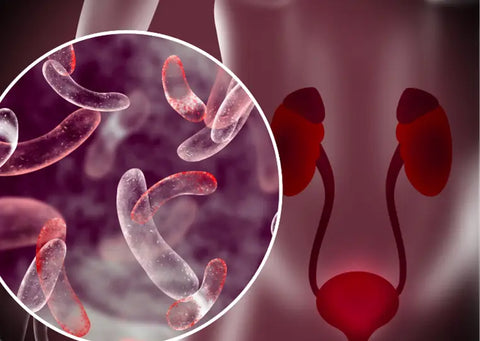
- Other medical conditions: Endometriosis, pelvic inflammatory disease, and conditions affecting muscles or nerves can also cause abdominal pain.
Gastrointestinal contributors
- Gastritis: Irritation of the stomach lining from alcohol, certain medicines, or infections. Causes a burning or gnawing upper abdominal pain. Often managed with diet changes and medication.
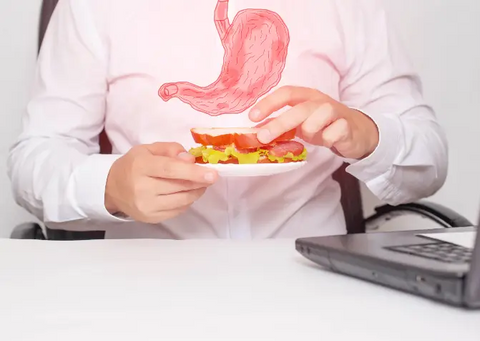
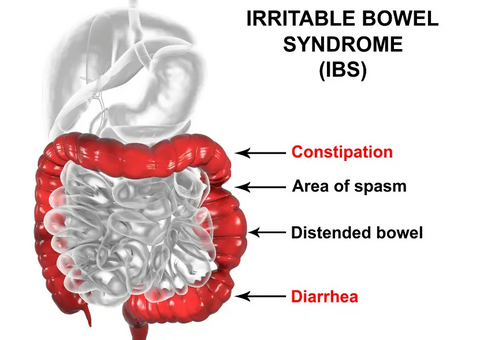
- Irritable Bowel Syndrome (IBS): Crampy pain plus bloating and changes in bowel habits. Tracking triggers and working with a provider helps reduce flare-ups.
- Gastroenteritis: Viral or bacterial infection that causes abdominal cramps, diarrhea, and vomiting. Hydration and rest are key while symptoms run their course.
Organ-related causes in detail
Problems in organs around the abdomen produce distinct patterns and referral pain. Imaging or lab tests are often needed for diagnosis.
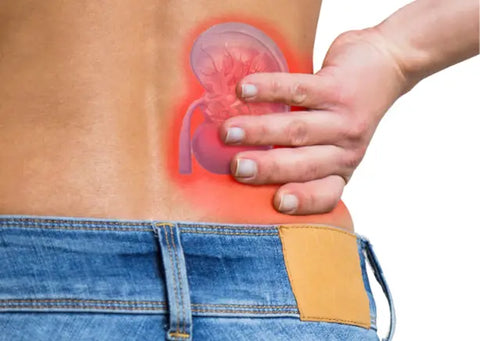
- Kidney stones: Hard deposits that cause severe, crampy pain as they move through the urinary tract. Pain is typically abrupt and intense, often requiring imaging to confirm.
If your pain is severe, persistent, comes with fever, vomiting, fainting, difficulty breathing, or bloody stools, seek immediate medical care. For ongoing or recurrent pain, keep a symptom diary: note location, timing, what you ate, and any other signs. That record makes diagnosis faster and more accurate.
Simple steps that often help include staying hydrated, avoiding trigger foods, using over-the-counter remedies when appropriate, and seeing your provider when pain changes or worsens.
Laissez un commentaire