





Are Artificial Sweeteners Dangerous and How Much Is Too Much?
For years many people trusted that artificial sweeteners were safe, but recent research and headlines have raised questions about their effects.
What are artificial sweeteners?
Artificial sweeteners, also called sugar substitutes, are synthetic or highly processed compounds added to foods and drinks to provide sweetness. They can be many times sweeter than table sugar, so manufacturers use tiny amounts. Because your body usually can’t break them down, they contribute almost no calories.

How they work
Your tongue has sweetness receptors. Sugar fits those receptors and sends a signal to your brain. Many artificial sweetener molecules mimic sugar well enough to trigger the same receptors, producing a sweet taste without the calories most of the time. A minority of sweeteners do contain calories, but the doses used in food are so small that caloric contribution stays negligible.

BM213 may aid with digestion and nutrient absorption. Recommended for digestive problems, including diarrhea, weight loss, slimy stools, bloating, fatigue, heartburn, coated tongue, constipation, indigestion, and pale complexion.
Common artificial sweeteners
Regulatory agencies in the United States and the European Union allow several sweeteners. Common ones include:
- Aspartame (NutraSweet, Equal) — about 180 to 200 times sweeter than sugar
- Acesulfame potassium (Sunett, Sweet One) — about 200 times sweeter
- Sucralose (Splenda) — around 600 times sweeter, cooks well
- Saccharin (Sweet'N Low) — roughly 300 times sweeter
- Neotame, advantame, cyclamate (banned in the US), and neohesperidin are also used in some places
| Artificial sweetener | Sweeter than sugar | Brand name found in stores |
| Acesulfame-K | 200x | Sunett, Sweet One |
| Aspartame | 180x | NutraSweet, Equal |
| Neotame | 7,000x | N/A |
| Saccharin | 300x | Sweet’N Low, Sweet Twin, Sugar Twin |
| Sucralose | 600x | Splenda |
Artificial sweeteners list
The FDA list includes acesulfame-K, advantame, aspartame, neotame, saccharin, high-purity steviol glycosides, luo han guo extracts, and sucralose. Brand names like NutraSweet, Sunett, Truvia, and Sweet'N Low make labels harder to read. Stevia appears here too, though many consider it a natural sweetener rather than an artificial one.
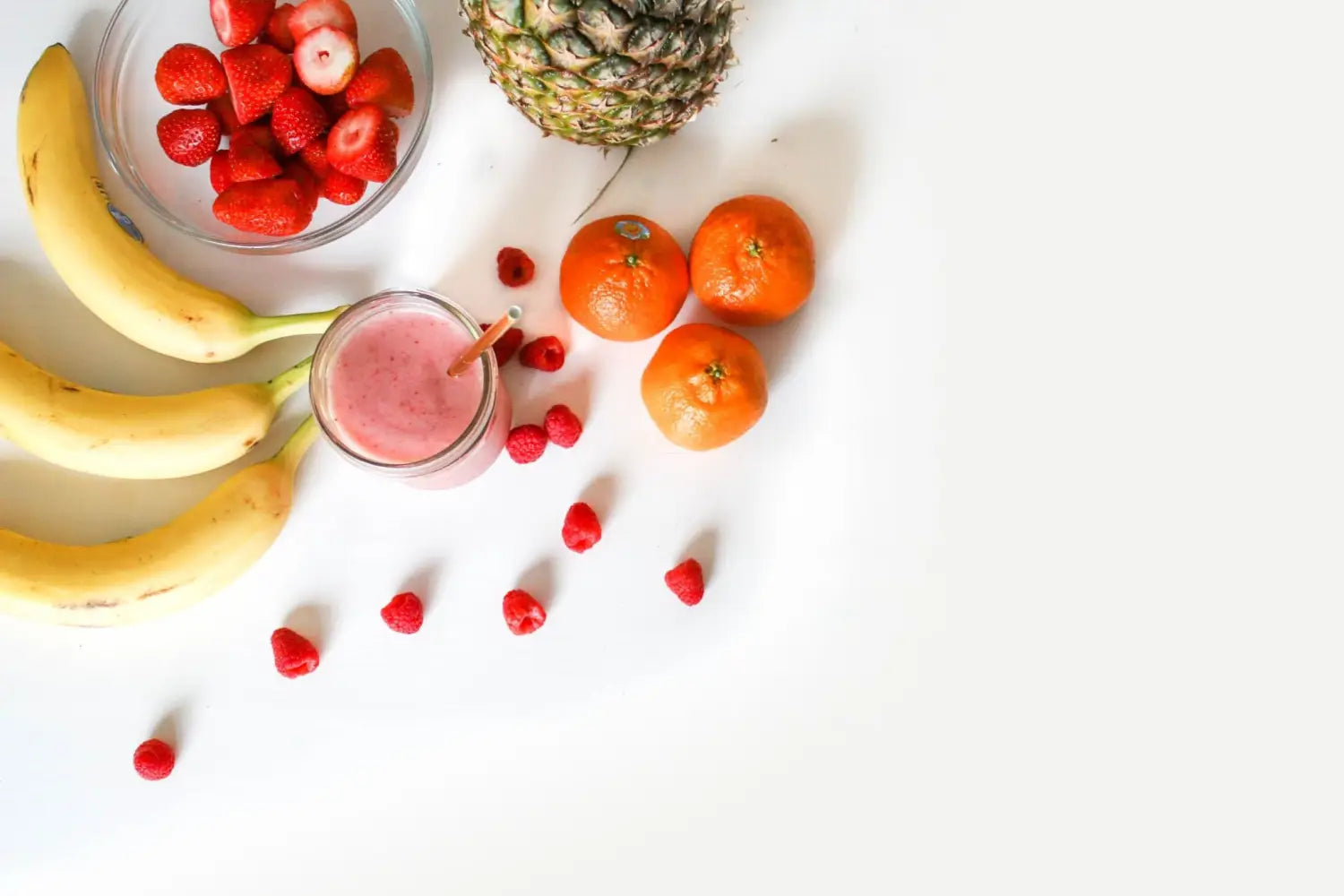
What happens to your body when you eat artificial sweeteners?
Effects on appetite and taste
Some studies suggest artificial sweeteners could increase appetite and cravings. The theory is that sweet taste without calories may blunt the normal food reward response, leaving people less satisfied and more likely to eat later. Habitual exposure to intensely sweet flavors may also recalibrate taste preferences, making naturally sweet foods like fruit taste less sweet and reducing enjoyment of mildly bitter, healthy foods such as whole grains and vegetables.
There are also experimental data indicating certain sweeteners may affect brain areas tied to appetite and satiety, though findings vary by compound and study design.

Laissez un commentaire