





Autism (ASD) and Sleep Problems: Causes and Practical Help
It matters that people get enough sleep. Many children and adults with autism take much longer to fall asleep and wake frequently through the night. That adds up to chronic sleep loss, which worsens mood, raises risk for metabolic and cardiovascular problems, and undermines learning and daily functioning.
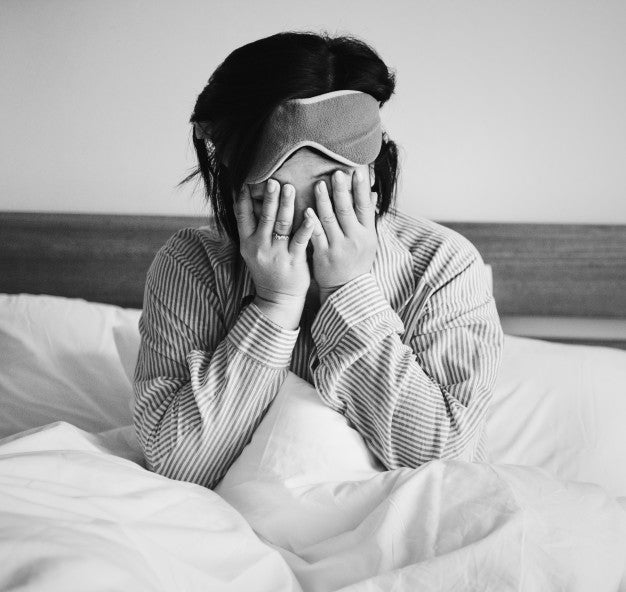
How common are sleep problems with autism?
Sleep problems are common among people on the spectrum. Coexisting conditions contribute a lot. Depression, sensory sensitivities to sound or light, anxiety, ADHD, and gastrointestinal trouble all interrupt sleep. Certain medications, especially stimulants, can also delay sleep onset. Some studies show genetic changes that reduce melatonin levels, and lower melatonin makes falling asleep harder.
Types of sleep problems
Insomnia
Insomnia means trouble falling asleep or staying asleep. It causes daytime sleepiness, low energy, and reduced wellbeing. Causes include biological differences, medications, and poor sleep habits.
Sleep apnea
Sleep apnea is a serious disorder that makes breathing shallow or stop briefly during sleep. Obstructive sleep apnea, due to partial airway blockage, is the most common form and requires medical assessment.
Night terrors and nightmares
Night terrors and bad dreams can wake children screaming and make it hard to return to sleep. They are most common between about 18 months and 6 years of age.
Restless sleep
Restless sleep shows up as head-banging, rolling, or body-rocking. It can point to other sleep disorders or sensory discomfort. Proper settling strategies improve rest.
Snoring
Frequent snoring often signals sleep apnea. Talk with the child’s health provider for diagnosis and treatment options.
Bedwetting
Bedwetting wakes children and interrupts sleep. That wakefulness may become hard to reverse, especially in anxious children.
Difficulty falling asleep
Many people on the spectrum report an active mind at bedtime or hypersensitivity to sounds and light that prevents sleep even with a consistent routine.
Why do people with autism have trouble sleeping?
- Genetics: Genetic factors tied to autism can also affect sleep regulation.
- Sensory issues: Hyper-responsiveness to sensory input makes it hard to block disturbances at night.
- Low melatonin: Reduced melatonin production delays sleep onset for some people.
- Physical or mental health: ADHD, anxiety, reflux, seizures, and other conditions interfere with sleep.
Consequences of poor sleep
Poor sleep hits brain function, mood, and physical health. Expect weaker concentration, impaired memory, slower learning, and more irritability. Neurologic signs can worsen, including increased seizure risk in susceptible people. Chronic sleep loss also affects growth and hormones in children, raises blood pressure, and contributes to weight gain and metabolic problems.

How to treat sleep problems in people with autism
Cognitive-behavioral therapy (CBT)
CBT for insomnia addresses fears, anxiety, and faulty sleep habits. Studies show CBT can help people on the spectrum when adapted to their needs.
Natural light therapy
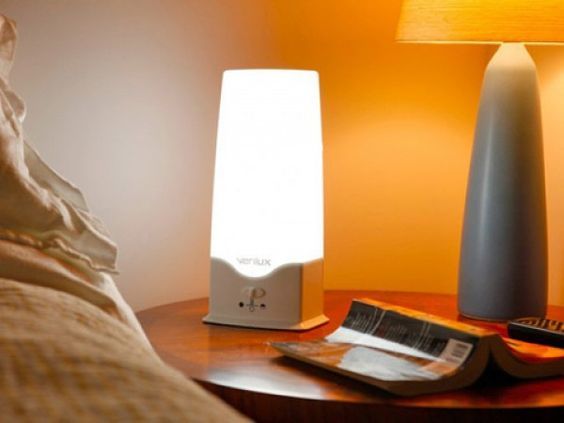
Daylight exposure or light boxes helps regulate serotonin and melatonin. Morning light makes people feel more awake then triggers better melatonin release at night. Reduce evening light exposure to encourage melatonin production.
Optimize the sleep environment
Keep the bedroom dark, quiet, and cool. Remove or reduce sensory triggers. Consistent bedding, weighted blankets if tolerated, and low-stimulus decor help many people relax.
Regular bedtime routine
Predictable routines reduce anxiety. Include calming activities such as tooth brushing, putting on pajamas, and reading. Keep timing consistent, even on weekends.
Teach falling asleep independently
Help children learn to self-soothe and return to sleep after waking. Gradual changes and clear expectations work better than abrupt changes.
Exercise
Regular daytime exercise improves sleep depth. Avoid vigorous activity close to bedtime.
Avoid caffeine
Limit tea, coffee, soda, and chocolate, especially in the afternoon and evening.
Diet and supplements
If food sensitivity or stomach pain disrupts sleep, see a dietitian before changing diet. Certain nutrients and herbal approaches may help some people. Examples include valerian, lemon balm, magnesium, lavender aromatherapy, and glycine-rich foods. Discuss supplements with a clinician before starting them, since interactions and side effects vary.

Final points
Improving sleep reduces stress, sharpens memory and attention, supports healthy weight, and stabilizes mood. For many people on the spectrum, better sleep produces tangible improvements in daily life. Start with medical evaluation for treatable causes, then use structured routines, environment changes, timing of light exposure, exercise, and targeted therapies to rebuild healthy sleep.
For persistent or severe problems, work with your primary care provider, a sleep specialist, or a behavioral therapist who understands autism.
Laissez un commentaire