





How to Safely Choose Natural Remedies
Natural remedies are everywhere now. Friends, family, and social posts recommend herbs, essential oils, and supplements as fixes for sleep, stress, digestion, and more. That makes sense — people want options besides prescription drugs — but natural does not always mean safe or effective.
What natural remedies are
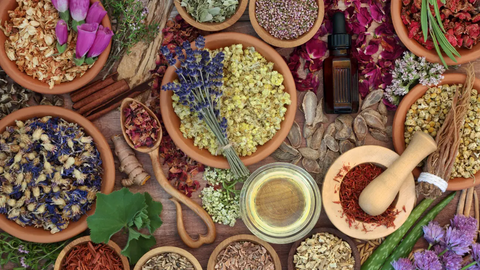
Natural remedies come from plants, minerals, or animal sources. They include herbal teas, tinctures, essential oils, and homeopathic preparations. People often think natural equals gentle, but many natural substances are potent, and some can be toxic.
Types and differences
Herbal remedies use parts of plants that contain active compounds. Homeopathy uses highly diluted substances with different principles. Standardized herbal extracts give predictable amounts of active ingredients, while raw or unstandardized products can vary a lot.
Common misconceptions
People assume natural always means safe. It does not. Arsenic and poisonous mushrooms are natural and dangerous. Some herbs can damage the liver or change blood pressure and blood sugar. Others interact with prescription drugs. Testimonials are not proof of effectiveness; anecdotes can mislead.
Product quality varies. Processing methods, the plant part used, and growing conditions affect potency. A cheap supplement might contain fillers or low-quality ingredients that reduce benefits or introduce risks.
How to evaluate products: key factors and red flags
Look for transparency. Reputable brands list full ingredient panels, dosages, and sourcing details. Third-party testing or certifications like USDA Organic or GMP suggest the company follows quality controls. Standardized extracts help ensure consistent potency.
Avoid grand claims. If a product promises to cure serious disease, that's a red flag. Be suspicious of vague labels, missing dosages, and heavy reliance on testimonials instead of studies. Cheap price alone should not be the deciding factor for something you plan to ingest.
Specific considerations for herbal remedies
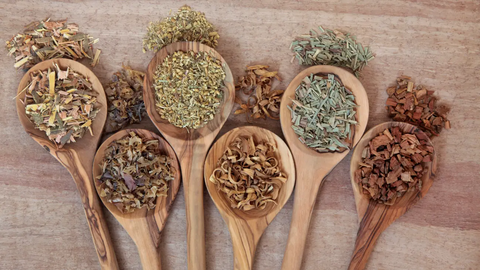
Herbs deserve extra care. They interact with drugs, affect lab tests, and can harm organs at high doses. If you take prescription medications, ask a clinician or pharmacist about interactions before starting any herb. Pregnant or breastfeeding people, children, and people with chronic conditions need medical guidance before using herbs.
Start with a low dose and monitor how you feel. Keep a list of everything you take and share it with your healthcare provider. If you experience new symptoms after starting a remedy, stop using it and seek advice.
Practical checklist before you buy or try a remedy
- Read the full label: active ingredient, dose, and warnings.
- Check for third-party testing or recognized certifications.
- Search trusted medical sources for evidence and known risks.
- Ask your clinician or pharmacist about interactions with current meds.
- Buy from transparent companies that disclose sourcing and manufacturing.
- Start small, track effects, and stop if you have side effects.
Natural remedies can help with mild issues and support general wellness if you choose and use them carefully. Treat them like any medicine: check the evidence, confirm the quality, watch for interactions, and consult a healthcare professional when needed.
The rest of this article contains detailed guidance on common herbs, dosage examples, and how to read third-party test reports. Take what fits your situation, and keep your health provider in the loop.
Laissez un commentaire