





Boost Your Immune System for Fall with Natural Steps

Your immune system is a network of cells, tissues, and organs that defends your body from infections and removes damaged cells. It recognizes and attacks pathogens like bacteria, viruses, fungi, and parasites, while usually avoiding healthy cells.
How immunity works
Innate immunity acts first. It uses physical barriers such as skin and mucous membranes and fast-acting cells like neutrophils, macrophages, and natural killer cells to provide broad protection. Adaptive immunity develops after exposure to specific pathogens. B cells make antibodies that target invaders, and T cells kill infected cells and coordinate responses.
Keeping that balance between recognizing self and non-self is essential so the immune system targets threats without harming healthy tissue.

Practical ways to support immunity this fall
Fall brings more colds and flu, so reinforce daily habits that help immune function. No single trick prevents sickness, but these steps reduce risk and keep you feeling better.
1. Eat a nutrient-dense diet
Focus on whole foods: fruits, vegetables, whole grains, lean proteins, and healthy fats. Fall produce like apples, pears, squash, sweet potatoes, Brussels sprouts, kale, and beets adds vitamins and antioxidants.
- Whole grains: choose quinoa, brown rice, oats, and whole wheat for fiber and steady energy.
- Lean proteins: poultry, fish, beans, lentils, tofu, and nuts support repair and immune cells.
- Healthy fats: avocado, nuts, seeds, and olive oil aid nutrient absorption and brain health.
- Spices and herbs: cinnamon, nutmeg, ginger, and cloves add flavor and can reduce inflammation.
- Soups and stews: combine vegetables, lean protein, and grains for warming, nutrient-rich meals.
- Snack smart: roasted pumpkin seeds, mixed nuts, or apple slices with nut butter.
Limit processed foods, sugary snacks, and sweetened drinks. If sunlight drops, include vitamin D sources like fatty fish, fortified milk, and eggs, and discuss supplements with your healthcare provider. Add probiotic foods such as yogurt, kefir, sauerkraut, kimchi, or kombucha to support gut health.
Foods that can help your defenses include garlic, ginger, citrus fruits high in vitamin C, raw honey, turmeric, immune-supporting mushrooms like shiitake and reishi, and herbal teas such as echinacea or elderberry. Consult a clinician before starting herbal supplements.

2. Stay hydrated
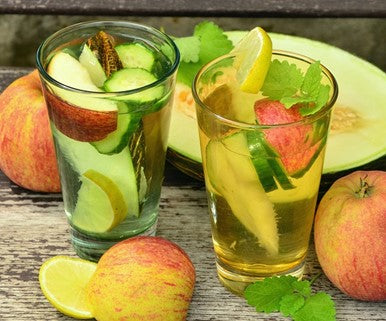
Drink water throughout the day, aim for roughly eight 8-ounce glasses as a baseline, and adjust for activity and size. Warm beverages like herbal or green tea and water with lemon count toward intake and feel good on cool days. Infuse water with cucumber, citrus, mint, or berries to make it more appealing.
Eat hydrating foods such as watermelon, oranges, cucumber, and celery. If you run indoor heat, use a humidifier to reduce dry air. Always rehydrate before, during, and after exercise.
3. Prioritize sleep
Consistent, quality sleep helps immune cells recover and communicate. Aim for a steady bedtime and wake time, even on weekends. Create a dark, cool bedroom, avoid screens for 30 to 60 minutes before bed, and limit heavy meals or caffeine late in the day.
4. Move your body
Regular moderate exercise improves circulation, supports immune surveillance, and helps control stress and weight. Brisk walking, cycling, swimming, or structured workouts for 30 minutes most days gives benefits. Avoid extreme, prolonged exertion when you feel run down, and prioritize rest if you have symptoms of illness.
5. Manage stress and social habits
Chronic stress suppresses immune function. Use practical stress reducers: short walks, breathwork, time outdoors, hobbies that relax you, or brief daily stretching. Wash hands frequently during flu season, and stay home when sick to limit spread. Consider flu vaccination if you and your clinician decide it fits your risk profile.
Simple plan to use right now
- Plate model: half vegetables and fruit, quarter lean protein, quarter whole grains.
- Daily: 30 minutes of movement, 7 to 9 hours sleep, water bottle refills through the day.
- Weekly: one or two probiotic servings, two fatty fish meals, try a turmeric-spiced soup.
Small, consistent habits add up. Focus on balanced meals, hydration, sleep, movement, and stress control. If you take medications or have chronic conditions, check with your healthcare provider before adding supplements or major diet changes.
Laissez un commentaire