





Fasting Explained: Types, Benefits, and What to Expect
Fasting is old, useful, and backed by science
Fasting is everywhere right now. Podcasts, books, TikTok, YouTube… It's all over your feed. And while it might seem like just another trendy health craze, fasting is actually nothing new. People have been fasting for centuries: for spiritual reasons, for healing, for clarity. What’s cool is that science is finally catching up and explaining why it works.
Chances are that you grew up hearing that “breakfast is the most important meal of the day,”. That idea has been drilled into us for decades. But guess what? That came more from cereal companies than actual science.
The truth is, fasting can be an incredible tool for balancing hormones, managing weight, improving energy, and even helping with mental clarity. The goal is not to starve yourself or punish your body. It’s about learning how to work with your body’s natural rhythms, not against them.

BM247 temporarily supports metabolic function, appetite suppression, weight loss, and hunger management. Temporarily relieves occasional food and sugar cravings.
What is fasting?
Fasting just means going without food for a certain amount of time. That’s it. It’s not a diet, it’s not a cleanse, and it’s definitely not starving yourself.
Fasting is actually something our bodies are built to do. For most of human history, food wasn’t stored for constant access. Our ancestors naturally went hours or days between meals, and our biology adapted to that rhythm. The body has systems that only kick in when we stop eating for a bit. Those systems help with fat-burning, energy, healing, hormone balance, and brain function.
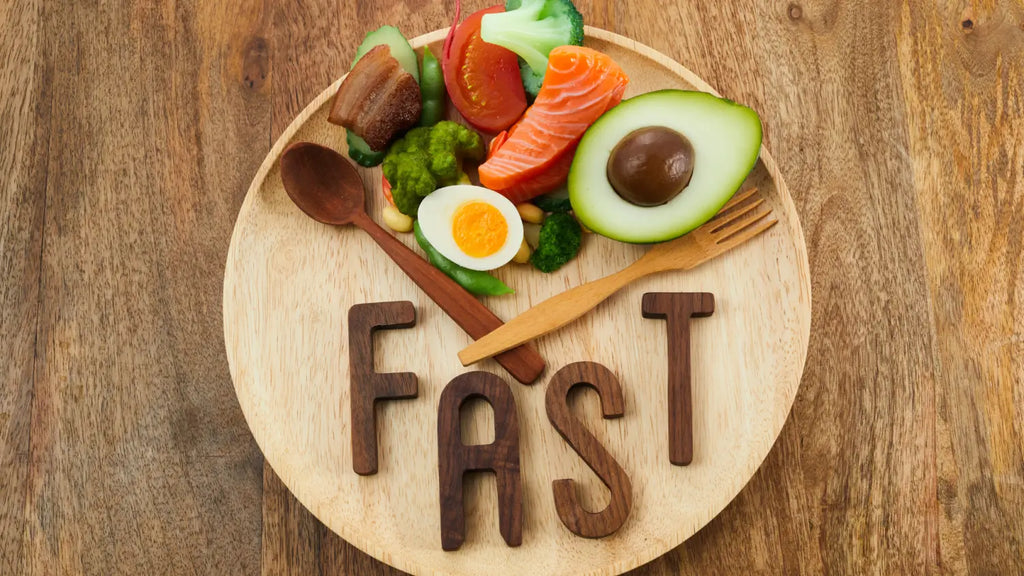
Types of fasting and who they suit
There’s no single right way to fast. Pick a style that fits your goals and daily life. Here are common approaches so you can compare them quickly.
Intermittent Fasting (IF)
Eat daily within a shorter window. The popular 16:8 method means fasting 16 hours and eating during 8 hours (for example, noon to 8pm). Others try 14:10 or 18:6 based on energy and schedule.
Good for: blood sugar control, cutting snacking, steady fat loss, and building a routine.
Autophagy Fasting
Autophagy means self-cleaning. Around 17+ hours, cells start recycling damaged components. This supports longevity, immune function, and reduced inflammation.
Good for: cellular repair and aging support.

Calc Sulph temporarily relieves discomfort due to skin problems, as well as occasional blemishes, slow-healing wounds, and discharge related to pimples, boils, skin sores, and more. Temporarily supports cellular regeneration.
OMAD (One Meal a Day)
One solid meal in a 1-2 hour window, fasting the rest of the day. It’s intense but works for some people a few times weekly.
Good for: experienced fasters, insulin sensitivity, overcoming weight-loss plateaus.
24 to 72-Hour Fasts
Full days without food, only water, tea, and electrolytes. Between 36 and 48 hours you may see stem cell signals, lower inflammation, and repair activity. These aren’t daily practices.
Good for: metabolic reset and deeper healing.

BM5 temporarily supports immune function, gentle and natural detoxification, assists the body in managing environmental toxins, pollutants, and chemicals, and promotes kidney and liver health.
Dry Fasting
No food and no water for a short period, usually 12–24 hours. It may speed autophagy but carries risks. Do not try without preparation and professional oversight.
Good for: strictly supervised, short anti-inflammatory use.
Juice Fasting
You still get calories, so it’s not strict fasting, but juice can rest the digestive system while supplying nutrients. Useful for gentler resets or transitioning into food-free fasting.
Good for: digestive rest and easing in.
Fast Mimicking Diet (FMD)
Dr. Valter Longo’s five-day, very low-calorie, plant-based plan tricks the body into fasting while you eat small amounts. Studied for cellular repair and inflammation benefits.
Good for: people who want fasting benefits without full food abstinence.

What happens in your body while fasting
At first, your body shifts from burning sugar to burning fat. That helps with blood sugar swings, stubborn weight, and inflammation.
After about 12–16 hours, insulin drops and the body taps fat stores for fuel. Around 17+ hours, autophagy begins and cells clear out damaged parts. You can also notice clearer thinking, steadier energy, and improved mood as blood sugar stabilizes and neurotransmitters adjust.
Longer fasts, from 24 up to 72 hours, deepen fat-burning and repair pathways. You don’t need to do long fasts often to see benefits.
Dr. Mindy Pelz explains how fasting can support hormones when done correctly, especially for women.
Practical tips to start safely
- Start with a gentle window like 12:12 or 14:10 and see how you feel.
- Stay hydrated, include electrolytes for longer fasts, and keep caffeine moderate.
- Prioritize sleep and stress management; fasting is harder with chronic stress.
- Adjust fasting around workouts; high-intensity sessions may need fueling or targeted timing.
- Talk to a clinician before trying long fasts or if you have medical conditions, take medications, or are pregnant or breastfeeding.
Fasting can make your body more efficient and resilient when you match the method to your goals and health. Start small, pay attention to how you feel, and build from there.
Laissez un commentaire