





Increase Testosterone Naturally: Practical Steps for Men
Testosterone affects muscle, bone density, energy, and mood. Lifestyle choices, age, stress, and certain medical conditions can lower levels. You can take concrete steps to support healthy testosterone without prescription hormones.

Testosterone Booster supports muscle mass gain, libido, and energy.
What is testosterone?
Testosterone is a core male hormone that helps build muscle, maintain bone density, drive sex drive, and keep energy up. Low levels can cause fatigue, reduced muscle mass, low libido, and mood changes.
Some men use prescription therapies, but many effective strategies focus on diet, exercise, sleep, stress control, and targeted supplements.
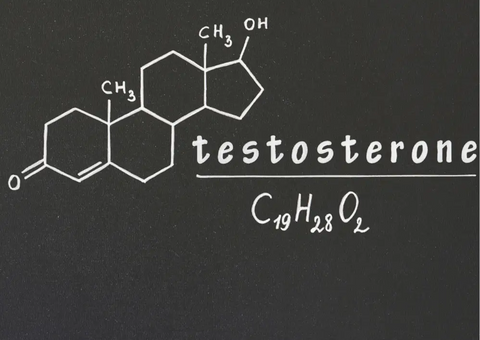
Too much vs too little testosterone
High testosterone from steroids or supplements can cause health problems. Signs include low sperm counts, liver issues, acne, high blood pressure, sleep problems, mood swings, and increased clot risk.
Testosterone also falls with age, roughly 1 to 2 percent per year for many men. SHBG, a protein that binds testosterone, rises with age and can reduce active hormone. Over a third of men older than 45 have lower-than-normal levels.
Symptoms of deficiency include reduced facial and body hair, less muscle, low libido, erectile problems, smaller testicles, reduced sperm count, bone thinning, irritability, and concentration problems.

BM186 is useful for emotional distress and trauma. It may help your body to deal with fatigue and poor concentration. Effective natural support for anxiety and ability to cope with stress.
How to increase testosterone naturally
Practical changes produce measurable results. Focus on exercise, diet, sleep, and stress management first. Use supplements only to fill gaps.
Exercise
Lift weights and include compound movements like squats, deadlifts, and presses. Short, intense sessions and progressive overload build muscle and support testosterone production. Add regular cardio to control body fat, which helps keep hormones balanced.

Diet
Eat vegetables, fruits, whole grains, healthy fats, and lean protein like fish and chicken. Avoid refined sugars and processed carbs that spike insulin and can suppress testosterone. Maintain a healthy weight; excess body fat converts testosterone to estrogen.

Sleep
Most daily testosterone release happens during sleep. Aim for consistent, quality sleep. Studies show less than eight hours can cut testosterone levels the next day by up to 15 percent. Prioritize sleep timing and reduce light and device use before bed.

Reduce stress
Chronic stress raises cortisol, which suppresses testosterone. Practice regular stress-management: meditation, brisk activity, and trimming known stressors. Small, consistent habits lower cortisol and help hormones recover.

Supplements to consider
Use supplements when diet and sleep fall short. Vitamin D, magnesium, and zinc have evidence supporting healthy testosterone levels in deficient men. Choose reputable formulas and talk with your doctor before starting anything new.
When to see a doctor
If you have symptoms like erectile dysfunction, severe fatigue, and loss of muscle despite lifestyle changes, get lab testing and medical advice. A clinician can check total and free testosterone, SHBG, and other hormones, then recommend treatment if needed.
Small, consistent changes to training, food, sleep, and stress give you the best chance to raise and keep healthy testosterone levels naturally.
Laissez un commentaire