





Natural Remedies to Heal Your Gut and Improve Digestion
Your gut does much more than digest food; it plays a massive role in overall health. A healthy gut is the foundation of a well-functioning body, it boosts your immune system, influences your mood, and affects your energy levels. But when your digestive system is out of balance, it can show up in frustrating ways: bloating, constipation, diarrhea, food sensitivities, or just feeling "off" all the time.
You don't need complicated treatments or expensive supplements to restore gut health. Nature offers simple, effective remedies that help heal the gut and get digestion back on track. These natural solutions can make a meaningful difference for digestion and overall wellbeing.
Why Gut Health Matters
Our gut is more than where food gets broken down and absorbed. It's a control center influencing digestion, immunity, mood, and energy. Scientists often call the gut our "second brain" because of how closely it's linked to the nervous system. Your gut and brain communicate constantly through the gut-brain axis.
A healthy gut holds trillions of beneficial microbes that break down food, absorb nutrients, and fight harmful invaders. Those microbes keep the immune system strong, limit inflammation, and affect mood. When the gut is balanced, digestion runs smoothly, energy stays steady, and you see fewer unexplained symptoms like skin breakouts or brain fog.
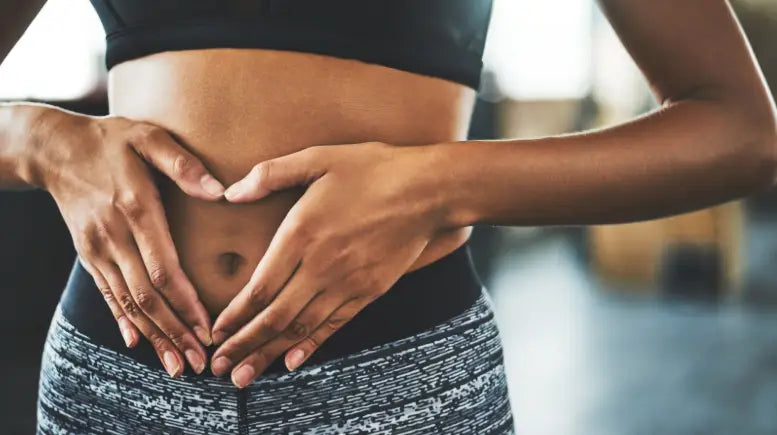
Common Signs Your Gut Needs Help
If your gut is struggling, it often shows up as symptoms you might not connect to digestion. Watch for:
Digestive discomfort: Bloating, gas, constipation, or diarrhea that persists after meals.
Food intolerances: New reactions to foods you tolerated before, from dairy to wheat or certain fruits.
Frequent infections or low immunity: Catching colds often can signal your gut bacteria aren’t supporting immunity. See our immune support guide.
Skin issues: Acne, eczema, or unexplained rashes can link back to gut inflammation. Skin flare ups often reflect gut imbalance.
Mood and cognitive issues: Persistent fatigue, brain fog, low motivation, anxiety, or mood swings can track back to gut health.
All these symptoms often trace back to one factor: your gut health. The gut can recover when you give it the right support.

Top Natural Remedies for Gut Healing
Healing the gut takes time, but small changes add up. Start with these evidence-backed, gentle approaches.
1. Probiotics and Fermented Foods
Probiotics introduce beneficial bacteria that help rebalance the microbiome. Fermented foods like live-culture yogurt, kefir, sauerkraut, kimchi, miso, and kombucha supply natural strains and diverse microbes. Eat them regularly to support a resilient microbiome.
If fermented foods don’t suit you, choose a quality probiotic supplement with multiple strains, including Lactobacillus and Bifidobacterium, for digestion and immunity support.
2. Bone Broth
Bone broth delivers collagen, gelatin, and amino acids such as glutamine, which help repair the gut lining and reduce inflammation. Regularly sipping homemade or high-quality store broth supports digestion and may ease symptoms linked to a damaged gut lining, sometimes called "leaky gut." Make it by simmering bones with water, herbs, and a splash of vinegar for several hours, or use collagen powders in soups and smoothies.

3. Herbal Teas and Infusions
Herbal teas soothe digestion and reduce bloating. Chamomile calms spasms and inflammation, ginger eases nausea and helps motility, peppermint relaxes intestinal muscles, and fennel reduces gas. Sip herbal infusions after meals or between meals to ease discomfort.
Choose quality herbs and avoid peppermint if you have reflux, since it can relax the lower esophageal sphincter.
4. Fiber-Rich Foods and Prebiotics
Fiber feeds beneficial bacteria. Include a variety of soluble fibers from oats, apples, carrots, and legumes, plus prebiotic foods like garlic, onions, leeks, asparagus, and bananas. Gradually increase fiber to avoid gas and bloating while encouraging a diverse microbiome.
5. Anti-Inflammatory Foods
Reduce processed foods, refined sugars, and trans fats that fuel inflammation. Add anti-inflammatory choices: fatty fish, leafy greens, berries, turmeric, and olive oil. These foods support the gut environment and help lower overall inflammation.
6. Manage Stress and Improve Sleep
Stress and poor sleep upset the gut-brain axis and harm microbiome balance. Build routines that reduce stress: short walks, breathing exercises, consistent sleep schedule, and limiting screens before bed. Small, regular steps here improve digestion and mood.
Quick Practical Plan to Start Today
- Add a serving of fermented food daily, or take a multi-strain probiotic.
- Sip bone broth or use collagen 2 to 4 times a week.
- Drink calming herbal tea after heavy meals, try ginger or chamomile.
- Eat a variety of fiber sources and include prebiotic vegetables several times weekly.
- Swap processed snacks for anti-inflammatory whole foods and schedule 7 to 9 hours of sleep.
If symptoms persist, see a healthcare provider for testing and personalized care. Gut issues can involve infections, intolerances, or more complex conditions that need targeted treatment.
Your gut responds to consistent, simple changes. Start with one or two of these steps this week and keep building from there. Small habits move the needle.
Laissez un commentaire