





Natural Solutions for Managing Worms and Parasites
Parasites and worms can quietly affect health, entering the body through contaminated food, water, or contact with animals. They’re easy to miss, but the right steps can help you spot and address an infection.
This guide explains common parasites, how they get in, typical symptoms, and practical natural steps you can take to reduce risk and support a gentle parasite cleanse.

BM43 temporarily relieves discomfort caused by all types of worms, including roundworms, threadworms, whipworms, tapeworms, and hookworms.
Common parasites and how they enter
These organisms can make people sick, so recognizing them helps you act fast. Some common types:
Giardia
Entry: Giardia often comes from contaminated food or water.
Growth: It starts as a cyst, then hatches in the small intestine and causes stomach issues.
Roundworms
Entry: Through soil-contaminated hands or undercooked meat and fish.
Growth: They develop in the intestines from larvae into adult worms.
Tapeworms
Entry: Usually from undercooked beef or pork.
Growth: They attach to the intestinal wall and absorb nutrients.
Pinworms
Entry: Eggs spread on contaminated surfaces, then touch to mouth transfers them.
Growth: Females lay eggs around the anus, causing itching.
Hookworms
Entry: Larvae enter through skin, often from walking barefoot on contaminated soil.
Growth: They travel through the bloodstream to the lungs, get swallowed, and settle in the small intestine.
Schistosomiasis (schistosomes)
Entry: Larvae can penetrate skin during contact with contaminated freshwater.
Growth: They develop into adult worms and live in blood vessels, where they can damage organs.
Learning about these parasites helps you protect yourself and your family, and shows when to seek medical advice if you suspect an infection.
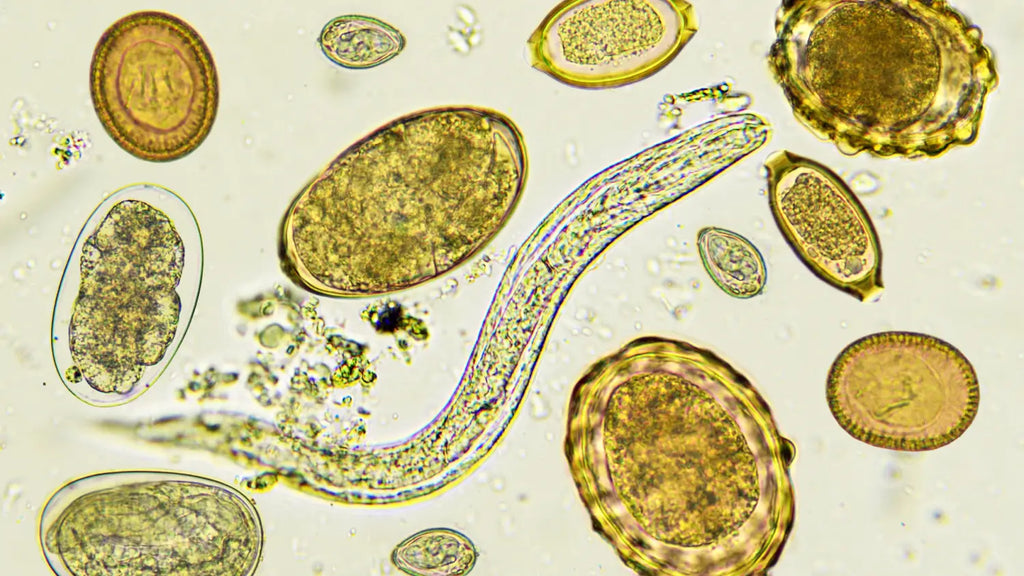
How parasites enter and spread
Contaminated food and water are common sources. Drinking untreated water or eating undercooked food introduces cysts or larvae. Poor hygiene also increases risk. Not washing hands after the bathroom or before eating can transfer eggs. Close contact with infected people or animals raises the chance of spread.
Being mindful of food, water, and hand hygiene lowers risk. Basic prevention goes a long way.
Symptoms to watch for
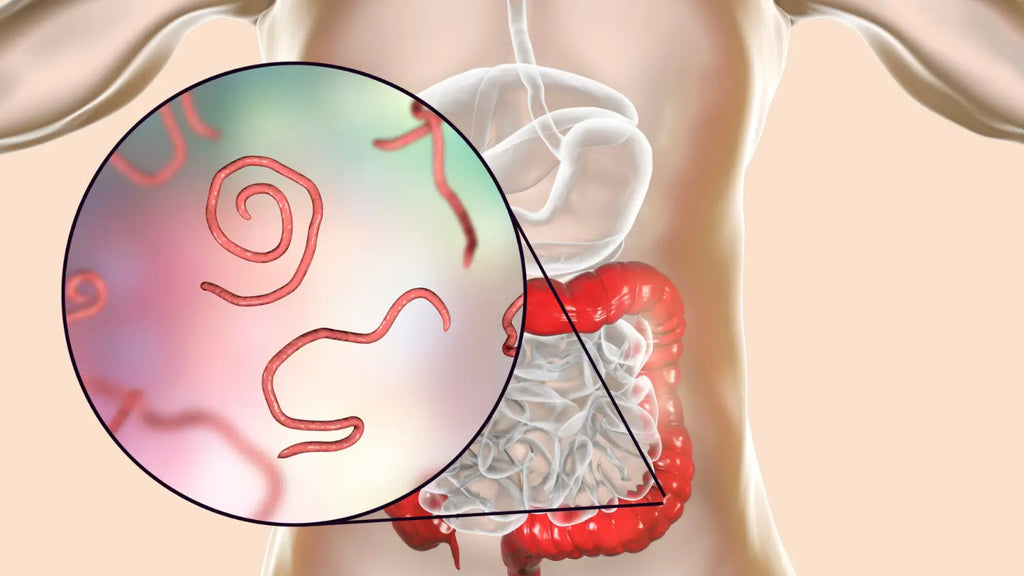
Symptoms vary, often starting subtle. Common signs include fatigue, digestive issues such as diarrhea or constipation, unexplained weight loss, and anal itching. Some people report increased hunger, unusual cravings, nausea, or vomiting. These signs overlap with other conditions, so see a healthcare provider if symptoms persist.
Why a parasite cleanse is often recommended
Practitioners recommend starting with a parasite cleanse because parasites can undermine other health efforts. They can steal nutrients, disrupt digestion, and stress the immune system. Clearing parasites first helps other steps like dietary changes and gut healing work better.
A gentle, well-structured cleanse combined with hygiene and dietary changes gives your body a better chance to recover and stay well.
Natural remedies and practical steps
Herbs and certain foods can support a cleanse, and hygiene plus lifestyle changes reduce reinfection risk. Below are common, practical options people use.
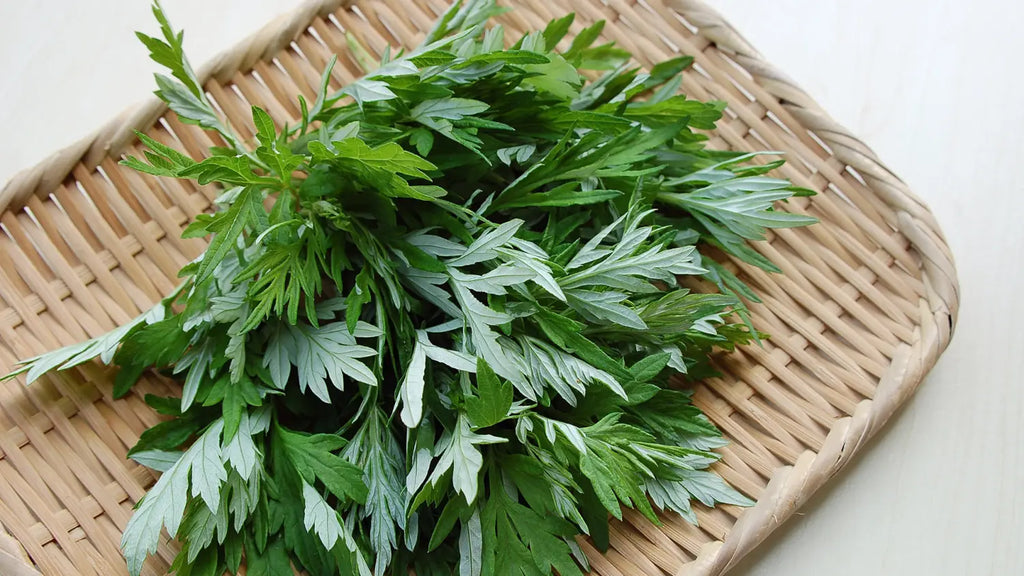
Herbs and supplements: Garlic, wormwood, black walnut hull, cloves, and diatomaceous earth appear in traditional protocols. Some people use herbal blends like BM43 for temporary symptom relief. Follow product directions and check interactions with medications.
Diet: Cut refined sugar and processed foods, which can worsen symptoms. Emphasize fiber, fermented foods, and lean protein to support digestion and gut flora.
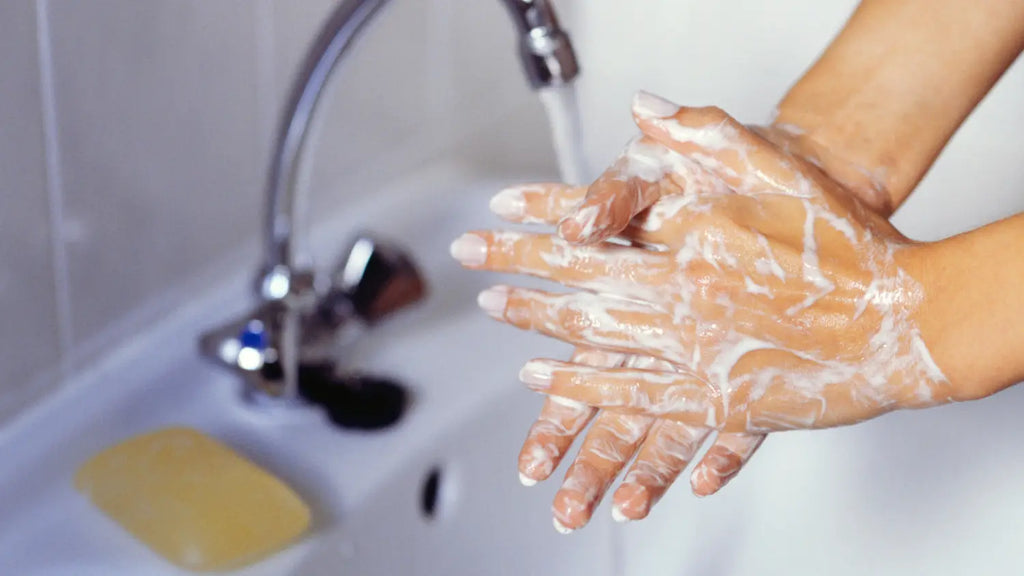
Hygiene: Wash hands thoroughly, wash fruits and vegetables, cook meat to safe temperatures, and avoid untreated freshwater in risky areas. Wash bedding and clothing if pinworm infection is suspected.
When to see a provider: Seek medical testing and treatment if you have severe symptoms, blood in stool, unexplained weight loss, or if symptoms persist despite home measures. Healthcare providers can confirm infections and prescribe targeted medications when needed.
Combining careful prevention, sensible diet changes, and targeted natural supports gives you a responsible, practical approach to managing parasites. If you suspect an infection, get tested and follow professional guidance.
Note: This article provides general information and is not a substitute for medical advice.
Laissez un commentaire