





Best Ways to Stay Hydrated in Hot Weather
Heat increases how much fluid your body loses, and small changes prevent big problems. Use a few practical habits to keep fluids and electrolytes balanced so you feel better and avoid heat-related illness.
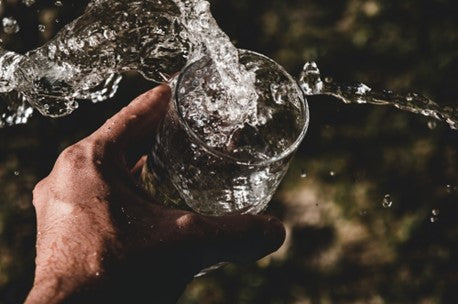
What is dehydration?
Dehydration happens when your body loses more fluid than you take in, upsetting electrolyte balance and how your organs work. Hot weather speeds fluid loss through sweat, so you need a plan to replace fluids and salts.
Common causes
Not drinking enough fluids, drinking mostly caffeinated or alcoholic beverages, heavy sweating from heat or exercise, and illnesses that cause vomiting or diarrhea all increase dehydration risk.
Signs to watch for
Thirst often comes after mild dehydration starts, so drink regularly. Dark yellow urine, dry mouth or lips, fatigue, dizziness, and headache are common warning signs. Severe symptoms, such as extreme lightheadedness or fainting, need immediate attention.
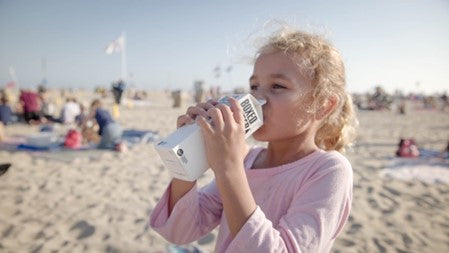
How to avoid dehydration
Use habits that replace both water and electrolytes, and pick foods that add fluid too. Below are straightforward, actionable steps you can start today.
1. Drink water often
Carry a reusable bottle and sip throughout the day. Aim for more than eight glasses on hot or active days. Start your morning with a full glass and set phone reminders or use a simple tracker to prompt regular sips. Avoid relying on caffeinated or alcoholic drinks as your main fluid source, since they can increase urine output.
2. Eat hydrating foods
Many fruits and vegetables are high in water and provide electrolytes or vitamins. Add these to snacks and meals during hot weather:
- Watermelon: over 90% water and a good source of potassium.
- Cucumbers: roughly 95% water, low calorie, great for snacks or salads.
- Strawberries: about 91% water and rich in vitamin C.
- Oranges: ~87% water and provide vitamin C and natural sugars for energy.
- Celery: about 95% water and fills you up with few calories.
- Bell peppers: roughly 92% water and high in vitamins A and C.
- Pineapple: around 86% water, adds variety and enzymes that aid digestion.
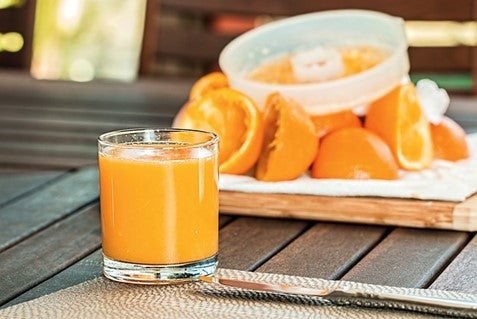
3. Use electrolyte drinks when needed
Sweat loses sodium and potassium, so plain water may not fully restore balance after long, sweaty activity or illness. Use an oral rehydration solution, sports drink, or a homemade mix (water, a pinch of salt, and a bit of fruit juice) to replace salts and sugars. Electrolyte drinks help maintain muscle and nerve function.

Practical tips to keep up with hydration
- Drink before, during, and after exercise. For long sessions add electrolytes.
- Weigh yourself around workouts. Losing more than 2% of body weight means you need more fluids.
- Wear lightweight, breathable clothing and rest in shade or air-conditioned spaces when possible.
- Replace fluids if you have fever, vomiting, or diarrhea. Oral rehydration solutions are best for illness-related losses.
- Watch urine color: pale yellow means good hydration, dark yellow signals you need more fluids.
When to seek help
Seek medical help if someone shows heavy vomiting, fainting, confusion, very low urine output, or extreme dizziness. These can be signs of severe dehydration or heat illness that need prompt treatment.
Small, consistent changes make a big difference. Keep water handy, eat hydrating foods, and add electrolytes when you sweat heavily. Your body will thank you.
Laissez un commentaire