





How to Stop Bladder Spasms Naturally
Most people know the sudden, urgent need to find a washroom. That feeling becomes a problem when the urge keeps coming or leads to embarrassing leaks. Those symptoms often come from bladder spasms, involuntary contractions of the bladder muscle that can change daily life.
You can reduce how often spasms happen and how intense they feel with targeted, natural steps. Below I cover what causes bladder spasms, clear symptoms to watch for, and practical remedies you can try at home. Keep the existing medical links and images for reference as you read through each option.
What are bladder spasms?
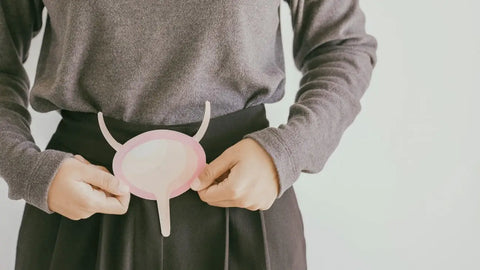
Bladder spasms are sudden, involuntary contractions of the bladder muscle. They can occur even when the bladder isn’t full, producing a sharp or urgent need to urinate. Spasms range from mildly uncomfortable to painful and vary in frequency.
Overactive bladder, or OAB, produces repeated urges to urinate and is a common condition that includes bladder spasms among its symptoms. Still, spasms can stem from other causes, so it helps to match symptoms with the right trigger.
Common symptoms
The core symptom is a persistent, often sudden urge to urinate, sometimes with only a small amount of urine. Leaks can occur before you get to the bathroom.
If an infection is causing the spasms, you may also notice:
- Burning when you urinate
- Passing only small amounts of urine
- Cloudy, pink, or foul-smelling urine
- Pelvic pain
When spasms are part of OAB you may also have:
- Leakage before reaching the toilet
- Voiding eight or more times during the day
- Waking at night to urinate two or more times
Common causes
Overactive bladder is a leading cause; the Urology Care Foundation notes that many adults experience OAB symptoms. Urinary tract infections (UTIs) often trigger spasms too, commonly with burning pain, fever, and cloudy urine. With proper treatment, infection-related spasms usually clear.
Other causes include:
- Prostate problems
- Interstitial cystitis
- Multiple sclerosis
- Diabetes
- Parkinson’s disease
- Stroke
- Diuretic medications
Bladder stones, prior bladder surgery, and hormonal shifts such as menopause can also make spasms more likely.
Natural remedies for bladder spasms
These approaches combine diet, herbs, exercises, and behavior changes. Try one or two at a time so you can see what helps.
1. Dietary changes
Cut foods that commonly irritate the bladder and add items that soothe it.
Foods to avoid:
- Caffeine from coffee, tea, chocolate, and some sodas
- Alcohol, which increases urine production and can irritate the bladder
- Spicy foods for those who react to them
- Acidic foods such as tomatoes and citrus
- Artificial sweeteners in diet sodas and sugar-free products
Foods that can help:
- Water, to dilute urine and reduce irritation
- High-fiber foods like whole grains, fruits, and vegetables, to prevent constipation that can worsen spasms
- Magnesium-rich foods (leafy greens, nuts, seeds), since magnesium can reduce muscle cramping

2. Herbal remedies
Herbs can soothe inflammation or act as mild diuretics. Always check with your clinician before adding herbs, especially if you take medications.
Corn silk: Anti-inflammatory. Steep dried corn silk for tea and drink several times daily.
Marshmallow root: Soothes urinary tract lining. Steep the dried root and drink up to three cups a day.
Horsetail: Mild diuretic and anti-inflammatory. Drink horsetail tea a few times daily.
3. Pelvic floor exercises
Strengthening pelvic muscles helps control involuntary contractions.
- Find the right muscles by stopping urination midstream.
- Tighten and hold for 3 to 5 seconds, then relax for the same time.
- Repeat 10 to 15 times per session, three times daily.
Other moves: pelvic tilts and bridge exercises help stabilize core and pelvic support.
4. Bladder training
Bladder training increases the time between bathroom visits and reduces urgency.
Steps:
- Schedule bathroom visits every 30 to 60 minutes at first.
- Add 15 minutes to the interval each week.
- When the urge hits, practice deep breathing or distraction to delay voiding a few minutes at a time.

5. Homeopathic remedies
Some people try homeopathic options for symptom relief. If you choose this route, work with a qualified practitioner.
- Cantharis: For sharp, burning bladder pain and frequent urges.
- Equisetum: For a constant full sensation with little output.
- Nux Vomica: For spasms tied to stress or recent dietary choices.
When to see a doctor
Seek prompt care if you have fever, blood in your urine, severe pain, or a sudden inability to urinate. Those signs can indicate a UTI or other urgent condition that needs medical treatment.
Also consult your clinician if natural measures do not reduce symptoms after several weeks. A doctor can check for underlying causes and discuss treatments such as prescription medications, physical therapy, or procedures if needed.
Practical tips to start today
- Keep a bladder diary for one week: note fluid intake, timing, and leakage. That helps your clinician and reveals patterns.
- Cut caffeine and alcohol for two weeks to see if symptoms improve.
- Try daily pelvic floor exercises and record progress.
- Stay hydrated, but avoid gulping large amounts at once.
Bladder spasms feel intrusive, but small, consistent changes often reduce frequency and severity. If symptoms persist or worsen, get evaluated to rule out infection or other medical causes.
Laissez un commentaire