





Top 10 Healing Herbs to Keep at Home
Herbs can handle common aches and complaints, and keep your medicine cabinet lean. The ten below cover skin care, digestion, sleep, immune support, and basic first aid.
Which herbs should you keep on hand?
These 10 healing herbs deliver useful, everyday benefits. Use them fresh, dried, or as tea, tincture, or topical gel depending on the herb and the need.
- Aloe Vera
- Chamomile
- Echinacea
- Garlic
- Ginger
- Lavender
- Peppermint
- Rosemary
- Turmeric
- Valerian
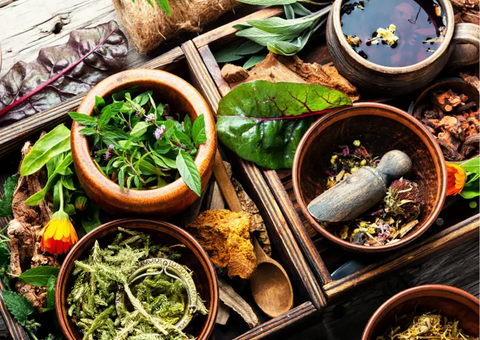
How these herbs help
1. Aloe Vera
Aloe gel soothes sunburns, minor burns, and skin irritation. It reduces redness and swelling, and helps wounds close faster by promoting tissue repair. Use fresh gel directly on the skin, or buy a pure aloe product for daily moisturizing. Aloe juice or supplements can ease acid reflux and support digestion.
2. Chamomile
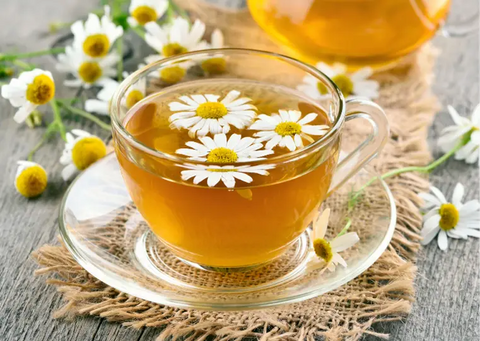
Chamomile calms the nervous system and helps with occasional sleeplessness. Drink a cup of tea before bed to relax, or inhale chamomile steam for stress relief. It also reduces skin inflammation and can soothe mild eczema and rashes. After meals, chamomile tea can ease bloating and indigestion.
3. Echinacea
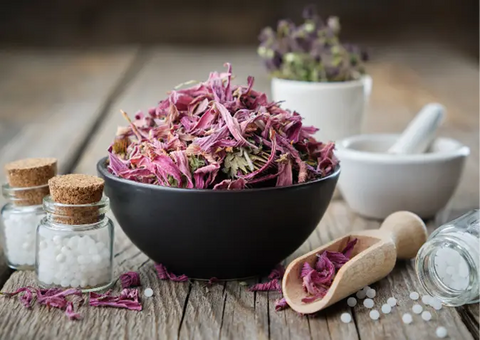
Echinacea stimulates immune cells and helps shorten colds if you start it early. Take it as a short course of tincture or tea at the first sign of symptoms. It's popular for nasal congestion, sore throat relief, and reducing illness duration.
4. Garlic
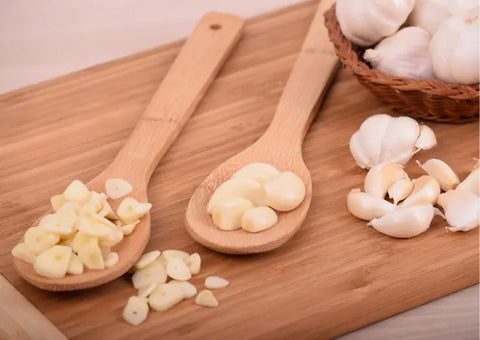
Raw or cooked garlic fights bacteria and viruses, and supports circulation. Eat fresh garlic in food or use aged garlic supplements for cardiovascular benefits. Garlic works as a culinary remedy you can add to many dishes.
5. Ginger
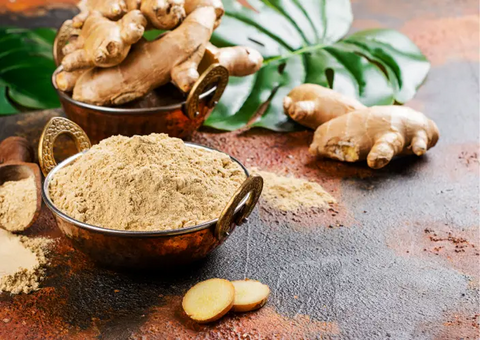
Ginger soothes the gut, reduces nausea, and eases inflammation. Sip ginger tea for motion sickness or morning nausea, grate fresh ginger into meals to aid digestion, or use powdered ginger in broths and sauces.
6. Lavender
Lavender reduces stress and improves sleep. Use dried flowers in sachets, diffuse the essential oil at night, or add a few drops of diluted oil to a warm bath to relax tense muscles and calm the mind.
7. Peppermint
Peppermint eases gas, cramps, and tension headaches. Peppermint tea helps digestion after a heavy meal, and inhaling the aroma can relieve sinus pressure. For topical relief of muscle tightness, use a diluted peppermint oil rub.
8. Rosemary
Rosemary supports memory and circulation, and acts as an antioxidant in cooking. Use fresh sprigs in roasting and stews, or brew a mild tea for a warming, circulation-supporting beverage.
9. Turmeric
Turmeric contains curcumin, which reduces inflammation. Add turmeric to curries, smoothies, or golden milk. Combine with black pepper to improve absorption. For joint discomfort, short-term supplements can lower pain and stiffness.
10. Valerian
Valerian root helps with occasional sleeplessness and tension. Use it as a tea or a measured supplement before bed, and avoid combining it with alcohol or sedatives.
Keep a small kit with fresh aloe, dried chamomile, ginger, peppermint, and culinary turmeric and garlic. For immune or sleep support, store tinctures or dried herbs in labeled jars. Check interactions if you take prescription medications, and consult a clinician for serious conditions.
These herbs won't replace professional care, but they provide practical, low-cost options for everyday complaints. Use them thoughtfully, and you'll handle many minor issues faster and with fewer packaged medicines.
Related links and sources in the original post remain available for deeper reading.
Laissez un commentaire