





Build a Career That Supports Work-Life Balance
Work-life balance is something almost everyone talks about but few people feel they’ve mastered. Between long work hours, family responsibilities, and the pressure to always be “on,” it’s easy to feel stretched thin.
Building careers with work life balance means making intentional choices that support both your professional goals and your personal well-being. This blog will walk you through practical ways to identify balance-friendly careers, create boundaries in your current role, and build daily habits that keep you energized and focused.
With the right strategies, you can design a career that supports your life, instead of one that takes it over.

BIO16 temporarily relieves occasional nervous exhaustion, anxiousness, restlessness, tiredness, or sleeplessness resulting from stress. Temporarily supports your nervous system to help you cope with everyday stress and negative events.
The modern struggle of juggling work and personal life
For many of us, the line between work and personal life has never been blurrier. Emails ping late at night, meetings spill into family dinners, and remote work often makes it hard to “switch off.” Add in personal responsibilities (kids, relationships, household tasks), and it’s no wonder so many people feel like they’re constantly playing catch-up.
This nonstop pace takes a toll. Without boundaries, stress builds up, sleep suffers, and you start running on empty. Over time, that can impact not only your health but also your performance at work and the quality of your relationships.
Creating space for both your career and your personal life gives you clearer focus, more energy, and better relationships. Practically, that looks like:
Better health: less stress, stronger immunity, and more energy
Higher productivity: you get more done in fewer hours when you’re rested and focused
More happiness: time for relationships, hobbies, and rest makes life feel fuller and more meaningful

Signs your balance is off
Balance often slides slowly. Look for these warning signs so you can act before burnout:
You’re constantly tired, even after a full night’s sleep
Work thoughts keep creeping in when you’re supposed to be off
You can’t remember the last time you truly relaxed without guilt
Personal relationships are taking a back seat to deadlines
You feel irritable or impatient most of the time

How to identify careers that support balance
Some job features steer toward balance. Look for roles and employers that offer:
Predictable schedules (so you’re not always on call)
Reasonable workloads that don’t leave you drained every day
Flexibility to adjust when life happens
A healthy culture where rest and boundaries are respected
Industries like education, healthcare administration, tech, communications, and creative work often offer remote or hybrid options and results-focused roles. But balance also comes from how you set yourself up inside any job. Negotiate boundaries, choose employers that match your values, and shape your workload when possible.

Kali Phos temporarily relieves occasional nervous tension, exhaustion, and offensive secretions and excretions. Temporarily supports your body during exams or times of work-related stress. It also temporarily supports the body’s defense systems.

Practical tips to create balance in any career
Small, consistent changes matter more than dramatic overhauls. Start with these actions:
Set clear boundaries. Define when your workday starts and ends, and stick to it. Logging off at a set time helps you recharge.
Learn to say no. Extra projects and endless meetings eat into personal life. Protect your energy by being selective.
Take breaks seriously. Even short pauses reset your mind. Step outside, stretch, or unplug for a few minutes.
Use flexibility when you can. If your job allows remote work or flexible hours, arrange a routine that fits your life.
Prioritize what matters. Decide which tasks at work and home deserve your energy, and focus there.

Daily habits that support balance
How you care for yourself outside work matters. These habits make balance easier to keep:
Protect your sleep. A consistent bedtime improves energy and focus. Lack of rest spills into work and home life.
Move your body. Walk, stretch, or try yoga. Physical activity reduces stress and clears your head.
Eat to fuel, not just to get by. Balanced meals give you steady energy. Avoid relying on caffeine alone.
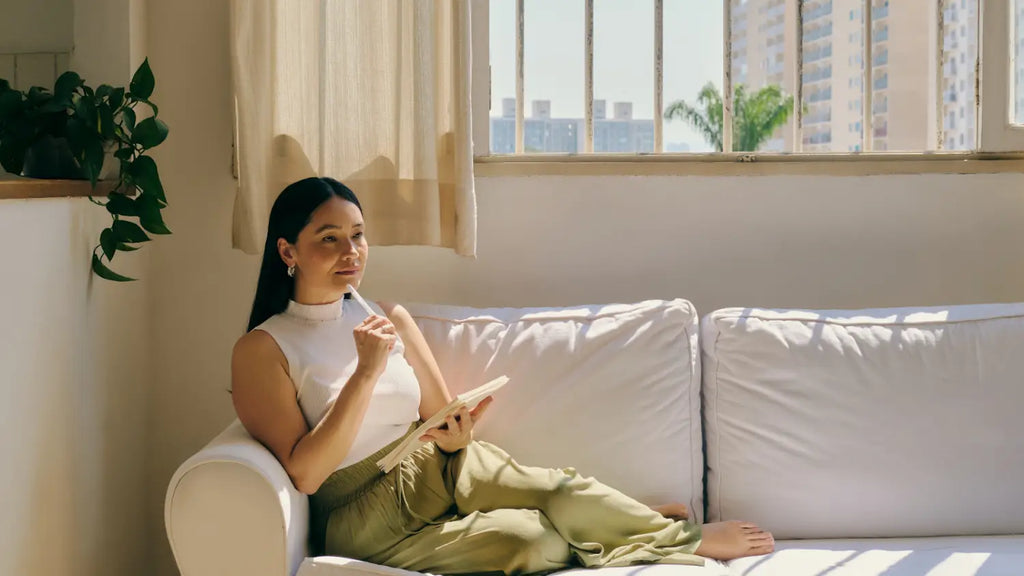
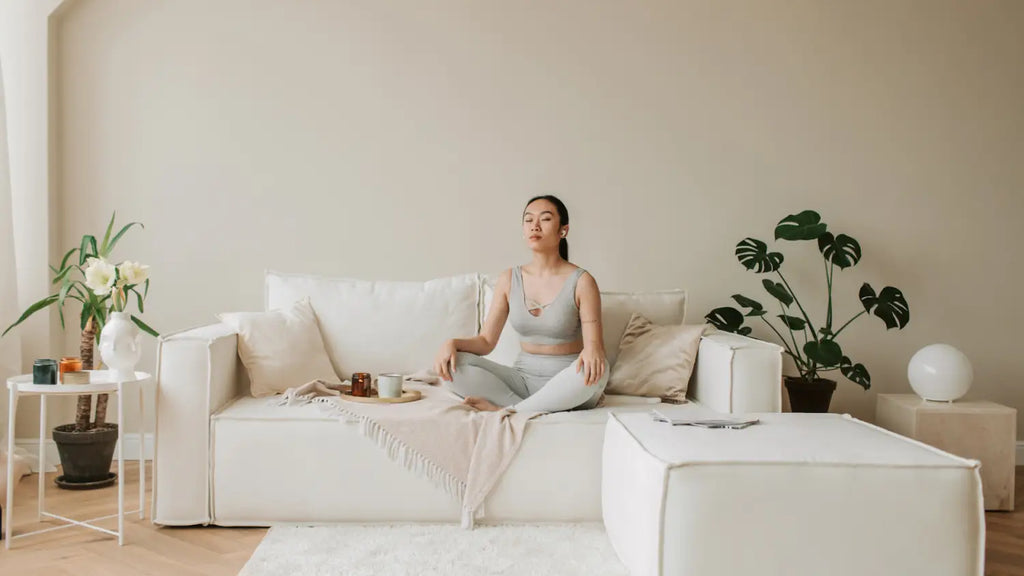
Practice mindfulness. Five minutes of breathing, journaling, or unplugging from screens can reset your mood.
Make space for joy. Hobbies, family time, and social connections recharge you in ways work cannot.
Quick techniques to feel calmer during the day
Stressful moments will still happen. Keep a few fast resets handy:
The 3-3-3 method: Name three things you see, three things you hear, and three things you feel to come back to the present.
Box breathing: Inhale 4 counts, hold 4, exhale 4, hold 4. Repeat a few rounds to calm your nervous system.
Step away from screens: Two minutes outside or a short walk can shift your mindset.
- Micro-breaks: Stretch, sip water, or close your eyes for a moment. Tiny pauses stop stress from building.
The role of technology in creating balance
Technology can blur boundaries or help keep them. Use tools that make your day manageable:
Calendar apps block focus time, schedule breaks, and set reminders so work stops at the right time.
Task managers like Trello or Asana organize projects and reduce mental clutter.
Focus tools such as website blockers keep distractions away so you get tasks done faster.
Wellness apps for meditation, breathing, or quick workouts fit calm into a packed day.
Use technology intentionally: let it serve your schedule rather than pull you into constant availability.

Long-term strategies for sustainable balance
Sustainable balance takes planning and regular checks. Try these long-term moves:
Plan your career with balance as a priority. When evaluating opportunities, ask if the role supports the lifestyle you want.
Keep learning and upskilling. More skills mean more options and greater control over your schedule.
Watch out for red flags. Employers that praise constant availability or discourage time off rarely support balance long-term.
Be willing to pivot. If your current path doesn’t allow a healthy life, shifting careers can be the right move.
Check in with yourself regularly. Life changes, so revisit your boundaries and habits often.

The bottom line
Work-life balance doesn’t happen overnight and it looks different for everyone. Find a rhythm that lets you do good work while still having energy, time, and joy outside of the office. Set boundaries, form healthy habits, and choose career moves that support the life you want.
Your career should give you more than a paycheck, it should give you room to enjoy the life you’re building.
Leave a comment