





Natural Supplements to Boost Your Immune System This Fall
Cold air and crowded indoor spaces make fall a key time to support your immune system. Shorter days cut sunlight exposure, and that can lower vitamin D. Add a few targeted supplements and simple habits, and you’ll cut your risk of getting sidelined by seasonal bugs.
Your immune system is your body's defense network. It relies on nutrients, sleep, movement, and a balanced gut to spot and defeat infections. Below you'll find practical options you can add to your routine this season, plus everyday tips that actually help.
How the Immune System Works
The immune system uses cells, tissues, and organs to keep you healthy. White blood cells patrol the body and respond when they find bacteria, viruses, or other threats. If germs get past initial defenses, your immune response increases to clear the infection.

First Aid & Fever Remedy is recommended for poor appetite, fatigue, vomiting, congestion, pain, temperature, and headaches.
Factors that weaken defenses in fall include less sunlight, more time indoors with others, stress, poor sleep, and nutrient gaps. Addressing those factors is the fastest way to reduce your risk of catching something this season.
Top Natural Supplements
These supplements support immune function and respiratory health. Most have research or long clinical use showing they shorten illness or reduce symptom severity.
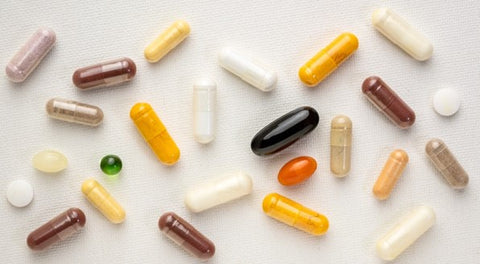
1. Vitamin C
Vitamin C supports white blood cell production and functions as an antioxidant. Get it from citrus, strawberries, bell peppers, and broccoli, or use a daily supplement when intake from food is low.
2. Vitamin D
Vitamin D regulates immune responses and lowers the risk of respiratory infection. Fall and winter reduce sun exposure, so consider a supplement, especially if you spend most days indoors. How to choose the best vitamin D supplement
3. Zinc
Zinc helps make immune cells and supports wound repair. Lozenges and tablets can reduce cold duration when taken at symptom onset. Food sources include meat, shellfish, legumes, and seeds.
4. Elderberry
Elderberry has antioxidants and may shorten flu and cold symptoms if taken early. It comes as syrups, gummies, and capsules, which makes it easy to use.
5. Echinacea
Echinacea stimulates immune activity and can reduce the risk and length of common colds. Use as tea, tincture, or supplement.
6. Probiotics
A large portion of immune tissue sits in the gut. Probiotics support a balanced microbiome, which helps immune responses stay measured. Find probiotics in yogurt, kefir, sauerkraut, kimchi, or in supplement form. Which probiotic is right for you
7. Garlic
Garlic contains sulfur compounds with antiviral and antibacterial effects. Use more in cooking or try garlic supplements for a higher, consistent dose.
8. Turmeric and Curcumin
Turmeric and its active curcumin reduce chronic inflammation, which helps the immune system perform better. Use turmeric in meals or take curcumin for a concentrated effect.
Homeopathic Options
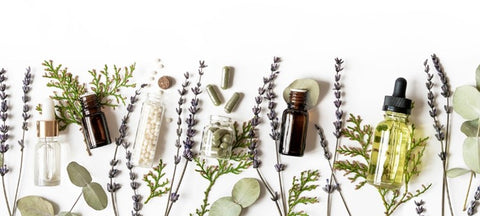
Some people add homeopathic remedies alongside supplements. They are highly diluted preparations aimed at reducing symptom severity. Common choices include:
Oscillococcinum
Used at the first sign of flu-like symptoms to reduce duration and severity of body aches, chills, and fever.
Eupatorium Perfoliatum
Also called boneset, this remedy is used for flu with intense body aches and high fever. It can help when you feel deep bone pain with other flu symptoms. If you have chronic conditions or take prescription drugs, check with your healthcare provider before using homeopathic remedies.
Everyday Habits That Help
Supplements add targeted support, but daily habits do most of the work. Make these part of your routine for better protection:

Stay Hydrated
Water keeps mucous membranes moist and helps your immune system clear germs. Aim for regular intake across the day.
Prioritize Sleep
Sleep repairs immune cells and balances inflammation. Most adults do best with 7 to 9 hours per night.
Manage Stress
Chronic stress raises inflammation and weakens immunity. Short walks, breathing exercises, and setting boundaries reduce stress load.
Eat a Balanced Diet
Choose a variety of vegetables, fruit, whole grains, healthy fats, and lean protein. Food fills many nutrient gaps and supports gut health.
Move Regularly
Moderate exercise improves circulation and immune surveillance. Aim for at least 150 minutes of moderate activity per week, split across days.
Final Notes
Pick supplements based on gaps in your diet and your personal risk. If you're pregnant, nursing, have chronic illness, or take prescription medications, talk with your clinician before starting new supplements or remedies. A few targeted nutrients plus solid daily habits give you the best defense against seasonal sickness.
Leave a comment