





Naturally Boost Fertility with Practical, Evidence-Based Steps

BM186 is useful for emotional distress and trauma. It may help your body to deal with fatigue and poor concentration. Effective natural support for anxiety and ability to cope with stress.
Infertility affects couples in different ways, and it often brings stress and doubt. Medical options exist, but many people want natural steps that support reproductive health alongside clinical care.
This article covers common causes, signs to watch for, and practical natural strategies that men and women can adopt to improve their chances of conception.
Types of infertility
Clinicians group infertility into categories to guide testing and treatment. The two main types are primary and secondary infertility.
Primary infertility
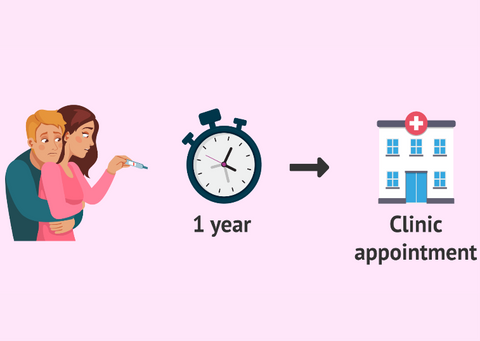
Primary infertility applies to couples who have never conceived after a year of regular, unprotected intercourse. Common causes include:
- Ovulation disorders: Conditions like polycystic ovary syndrome (PCOS) or hormonal imbalances that disrupt ovulation.
- Structural abnormalities: Blocked fallopian tubes or uterine issues that interfere with fertilization or implantation.
- Sperm abnormalities: Low sperm count, poor motility, or abnormal morphology in the male partner.
- Genetic factors: Chromosomal issues that affect fertility.
Secondary infertility
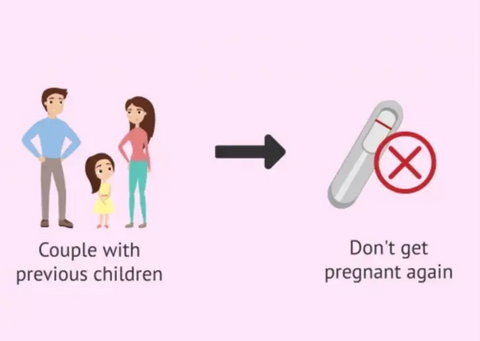
Secondary infertility refers to difficulty conceiving after a previous pregnancy. Causes often include:
- Age-related decline: Ovarian reserve and egg quality decline with age.
- New reproductive conditions: Endometriosis, fibroids, or pelvic inflammatory disease that developed after a prior pregnancy.
- Hormonal shifts: Changes that affect ovulation.
- Lifestyle changes: Increased stress, weight changes, or medications that affect fertility.
Signs and symptoms to watch for
Pay attention to changes in menstrual patterns, pelvic pain, or sexual pain. Those symptoms can point to ovulation problems, endometriosis, or structural issues. Other clues include unusually heavy bleeding or recurrent miscarriage.
Men should notice issues such as difficulty ejaculating, painful ejaculation, or signs of low testosterone. Varicocele, previous testicular injury, or a history of sterilization (vasectomy) also affect fertility.
If you spot these signs, get a medical evaluation. Tests can identify causes that respond well to targeted natural measures or clinical treatment.
Adopt a fertility-friendly diet
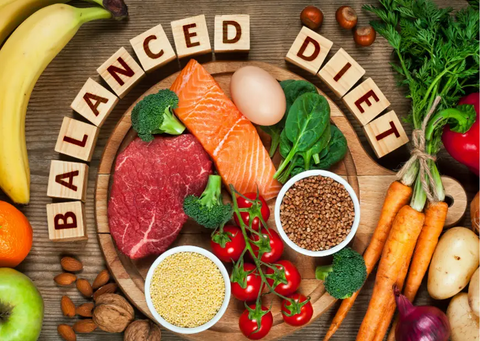
Focus on whole foods that support hormonal health. Practical swaps to make now:
- Fill half your plate with vegetables and berries for antioxidants.
- Choose whole grains over refined carbs to keep insulin steady.
- Eat lean proteins: fish, poultry, beans, and lentils for building blocks of hormones.
- Include healthy fats from olive oil, avocado, nuts, and seeds to support hormone production.
- Cut back on processed foods, added sugars, and trans fats, which can harm ovulation and sperm quality.
Also avoid smoking, limit alcohol, and skip recreational drugs. Those habits reduce fertility in both partners. For specific foods that help implantation, see the linked resources in this post.
Track your cycle and fertile window
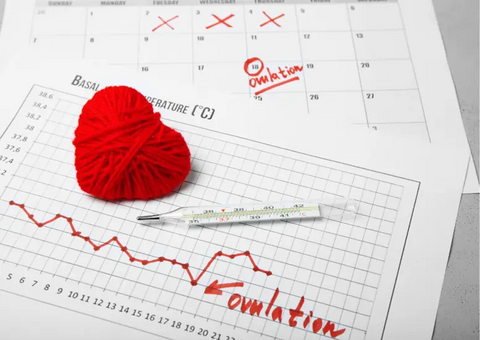
Use these simple, reliable methods to find your fertile days:
- Track basal body temperature daily; it rises slightly after ovulation.
- Watch cervical mucus; it becomes clear and stretchy near ovulation.
- Use ovulation predictor kits to detect the luteinizing hormone surge.
Combine tracking with regular intercourse during the fertile window for the best chance to conceive.
Other natural supports to consider
- Manage stress with sleep, movement, and targeted support. Chronic stress affects hormones.
- Maintain a healthy weight. Both underweight and obesity can disrupt ovulation and sperm quality.
- Get a medical review of supplements before starting them. Some can help, others can interfere with treatment.
- Address treatable conditions such as thyroid disorders, diabetes, or infections that affect fertility.
If you’ve been trying for a year (or six months if you’re over 35), see a fertility specialist. Combine medical testing with the lifestyle changes above to create a clear plan. Small, sustained habits often make the biggest difference.
Leave a comment