





Practical Tips for Healthy Aging for Women
Growing older brings real benefits: more time with family, clearer priorities, and a richer sense of what's important. Aging changes how your body feels and functions, but it doesn't erase the strengths and satisfaction that come with experience.
Some physical changes can reduce daily comfort and energy. Menopause and age-related hormonal shifts cause many of those symptoms, but you can take concrete steps to manage them and keep enjoying life.
The role of hormones
The endocrine system controls metabolism, mood, growth, and reproduction through hormones. Around age 50 many women see drops in estrogen and progesterone, which leads to menopause and a range of symptoms. Understanding the causes makes it easier to choose effective strategies.
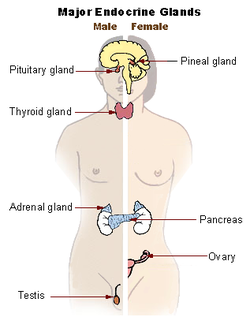
Menopause is normal, but it can bring uncomfortable symptoms. The next sections list common issues and practical, mostly natural approaches to manage them.
1. Hot flashes and night sweats
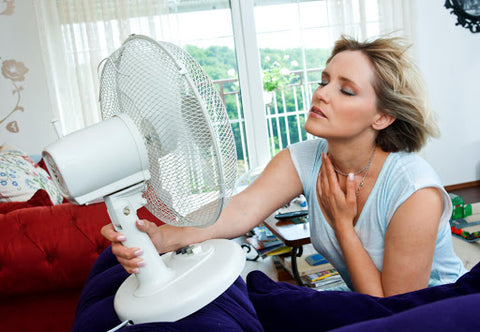
Hot flashes feel like intense heat that moves from your chest to your head. They usually last one to five minutes and can happen several times a day. Night sweats soak sheets and disrupt sleep, which makes everything harder the next day.
Hormone replacement used to be common, but it raises risks like heart disease, stroke, and some cancers for certain women. Many people now try dietary and herbal options first, such as phytoestrogens (found in soy and red clover), black cohosh, ginseng, and vitamin E. Talk with a clinician, especially if you take other medicines, so you avoid interactions. A trained homeopath or naturopath can suggest low-dose, symptom-specific approaches if you prefer non-prescription options.
2. Vaginal dryness
Lower estrogen often causes vaginal dryness, which can make sex painful and increase the risk of infections. Topical low-dose estrogen creams and SERMs are prescribed but may carry risks for women with a breast cancer history, and they can cause side effects like breast tenderness and vaginal irritation.

Simple, natural options include water-based lubricants and vitamin E suppositories, aloe vera, or coconut oil for short-term relief. Diet matters too: foods rich in omega-3s and a balanced intake of nutrients help blood flow and tissue health. Herbal and homeopathic remedies may reduce symptoms for some women; consult a clinician about safety and interactions.
3. Decreased libido
Sexual desire often changes with age. Postmenopausal women report sexual problems at high rates because lower estrogen reduces blood flow and sensitivity. Some women benefit from phytoestrogens such as black cohosh or red clover. Yohimbine has been used historically for sexual arousal, but it can cause side effects and should be used cautiously. Foods like figs, bananas, and avocados support blood flow through vitamins and minerals, and general health measures such as exercise and stress reduction help too.
4. Insomnia
Poor sleep increases irritability, fatigue, and long-term health risks. Prescription sleep drugs carry many side effects. Try consistent sleep schedules, daytime exercise, limiting late caffeine, warm showers before bed, and daytime sun exposure first. Herbal options include valerian, lavender, and chamomile; use them under guidance if you take other medications.
5. Irritability and mood changes
Hormonal shifts can cause mood swings and irritability. Diets that include phytoestrogen-rich foods like beans, lentils, and peanuts may help stabilize mood. Daily practices such as meditation, yoga, or short breathing exercises reduce stress and improve emotional control. If persistent depression or severe mood changes occur, seek medical care promptly.
6. Osteoporosis
Bone loss accelerates after menopause due to lower estrogen. Preventive steps include adequate calcium and vitamin D intake, weight-bearing exercise, and strength training. Talk with your clinician about bone density testing and whether supplements or prescription treatments are appropriate for your risk level.
Practical aging means combining lifestyle habits with targeted therapies when needed. A balanced diet, regular movement, good sleep, and care from informed clinicians or qualified natural-health practitioners keep you active and engaged for years to come.
Thanks for a complete out on menopause I learn about so much more than I think I knew and will be able to share it with my coworkers and friends thanks again
Do you have anything that is good hot skin cancer?
Thanks.
Vicky
Leave a comment