





How to Relieve Vertigo and Tinnitus Symptoms
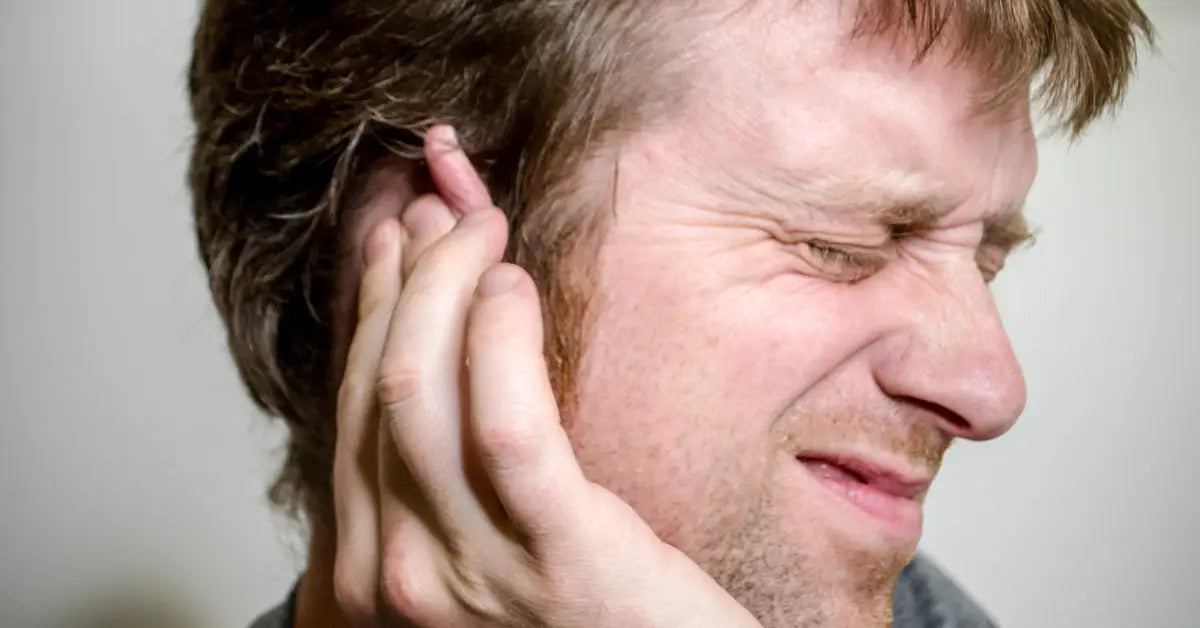
Vertigo and tinnitus often come from inner ear problems such as Ménière's disease. Vertigo causes strong dizziness, and tinnitus shows up as ringing or buzzing in the ear. Ménière's disease usually affects only one ear.

People with the condition can have sudden attacks of dizziness tied to muffled hearing changes or tinnitus. Some get rare, widely spaced attacks, others get clusters that last days. Severe vertigo can cause loss of balance and falls.
Ménière's disease is more common between ages 40 and 60. The National Institute on Deafness and Other Communication Disorders estimates hundreds of thousands in the United States live with it, and many new cases are diagnosed each year.
What causes tinnitus?
There is no single proven cause for tinnitus, but many conditions make it worse. A common mechanism starts with damage to the tiny hair cells in the inner ear. These hairs move with sound pressure, triggering electrical signals that travel via a nerve to the brain and get interpreted as sound.

If those hairs bend or break, they can leak abnormal electrical impulses and the brain perceives sound that is not there. Chronic health problems or injuries that harm the ear can also trigger tinnitus.
Common causes and contributors
- Age-related hearing loss (presbycusis), usually after age 60.
- Loud noise exposure from firearms, power tools, concerts, or prolonged headphone use.
- Excess earwax that blocks the ear canal and irritates the eardrum.
- Abnormal bone growth in the middle ear, a genetic condition that stiffens ear bones.
- Temporomandibular joint problems (TMJ disorders) affecting nearby structures.
- Head or neck trauma that harms the inner ear, hearing nerves, or brain pathways.
- Acoustic neuroma (a benign tumor on the cranial nerve) producing single-ear tinnitus.
- Eustachian tube dysfunction leaving the ear feeling full, sometimes linked to radiation, weight loss, or pregnancy.
- Frequent inner ear muscle spasms that create fullness and hearing changes.
How to prevent tinnitus
Protect your ears from loud sounds. Wear ear protection at work and in noisy environments. Keep music volumes reasonable and avoid long sessions at high volume with headphones.
Treatment options for tinnitus
See a doctor to identify treatable causes. If an underlying cause is found, treating it can reduce tinnitus. Common medical steps include:
- Removing impacted earwax.
- Treating vascular issues if tinnitus is related to blood vessels, which may require surgery or medication.
- Stopping or switching medications that cause tinnitus.
Sound-based therapies and devices often help:
- White noise machines or sound pillows that mask internal sounds with ocean, rain, or ambient noise.
- Hearing aids, which help when tinnitus accompanies hearing loss.
- Masking devices that sit on the ear and provide continuous low-level noise.
- Retraining devices that deliver programmed tones or music to reduce focus on tinnitus over time.
Medications do not cure tinnitus, but some drugs reduce symptom severity in select cases:
- Tricyclic antidepressants such as nortriptyline or amitriptyline for severe cases, used carefully due to side effects.
- Alprazolam for severe tinnitus, with caution because it can be habit-forming.
Alternative therapies some patients try include hypnosis, acupuncture, melatonin, zinc, ginkgo biloba, and B vitamins. Talk with your clinician before starting supplements.
What causes vertigo?

Vertigo happens when the inner ear or brain balance systems are disrupted. People feel spinning, tilting, or that their surroundings move. It can come from inner ear disorders, head injury, inflammation, or central nervous system problems. The most common causes stem from inner ear issues.
Short-term vertigo can follow viral infections or benign positional vertigo from displaced crystals in the inner ear. Persistent or severe vertigo needs medical evaluation to rule out other causes.
Self-care and immediate steps
- If you get sudden severe vertigo, sit or lie down until it passes to avoid falls.
- Avoid driving or operating machinery during an attack.
- Practice balance exercises or vestibular rehab under guidance from a therapist.
- Use hearing protection and control noise exposure to limit further ear damage.
Talk with an ear, nose, and throat specialist or neurologist for a clear diagnosis and tailored treatment plan. Many people find symptom relief with a mix of medical treatment, sound therapy, hearing support, and lifestyle changes.
Leave a comment