





What Kidneys Do and How to Protect Them

BM193 may help your body deal with foamy urine, swelling in any area of the body, elevated blood pressure, fever, rash, and generalized aches.
The kidneys are two bean-shaped organs about the size of a fist, positioned below the rib cage on either side of the spine. They filter blood, remove waste, help control blood pressure, release hormones, support red blood cell production, and balance nutrients and fluids. Those tasks keep your body working well, so it helps to protect them.
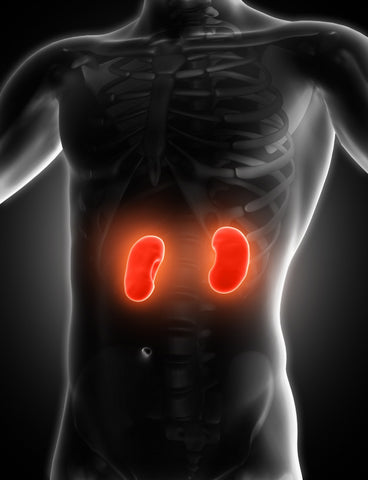
How they work
Blood flows from the heart into each kidney via the renal artery. Inside are millions of tiny filters that remove waste and extra fluid. Most of the cleaned blood returns to circulation, while waste and excess fluid become urine and collect in the bladder until you urinate.
On average, kidneys filter about 200 quarts of blood each day and remove roughly 2 quarts of waste and extra water.
Keep your kidneys healthy
Exercise regularly
Regular physical activity lowers blood pressure and improves heart health, both of which reduce the risk of kidney damage. Pick activities you enjoy and aim for most days of the week: walking, cycling, dancing, weight training, or jogging all work.

Eat well and manage weight
Excess weight raises the risk for diabetes, heart disease, and kidney problems. Favor whole foods—vegetables, fruit, fish—and cut back on soda, processed meats, canned foods, and salty snacks. Reducing sodium helps your blood pressure and your kidneys.
Stay hydrated
Drinking enough water helps flush toxins and supports kidney function. Guidance varies by age, activity, climate, and health, but aim for at least 1.5 to 2 liters a day as a starting point.

Quit smoking
Smoking damages blood vessels and cuts blood flow to the kidneys. It also increases the risk of kidney cancer. Quit or get help to stop.
Watch over-the-counter medications
Daily use of NSAIDs like ibuprofen or naproxen can harm kidneys. Talk with your doctor about safer options for chronic pain.
Control blood sugar
High blood sugar forces kidneys to filter more, which over time can cause damage. If you have diabetes or prediabetes, work with your clinician to keep glucose in range.

BM10 may help your body deal with glycosuria, blood sugar, thirst, and negative feelings.
Warning signs your kidneys need attention
See a clinician if you notice any of the following:
* Weakness, fatigue, or headaches
* Trouble sleeping
* Bad breath or a metallic taste
* Swelling in the feet, ankles, arms, or puffy eyes
* Changes to urine: blood, foamy urine, or more frequent urination
* High blood pressure
* Shortness of breath with little activity
* Back pain
* Dry, itchy skin
* Poor appetite
Kidney infection and UTI
If you suspect a urinary tract infection or kidney infection—fever, pain in the flank, cloudy or foul-smelling urine—get medical care. Untreated infections can damage kidneys.
Protecting your kidneys means steady, everyday choices: move, eat well, hydrate, avoid tobacco, and manage conditions like high blood pressure and diabetes.
Leave a comment