





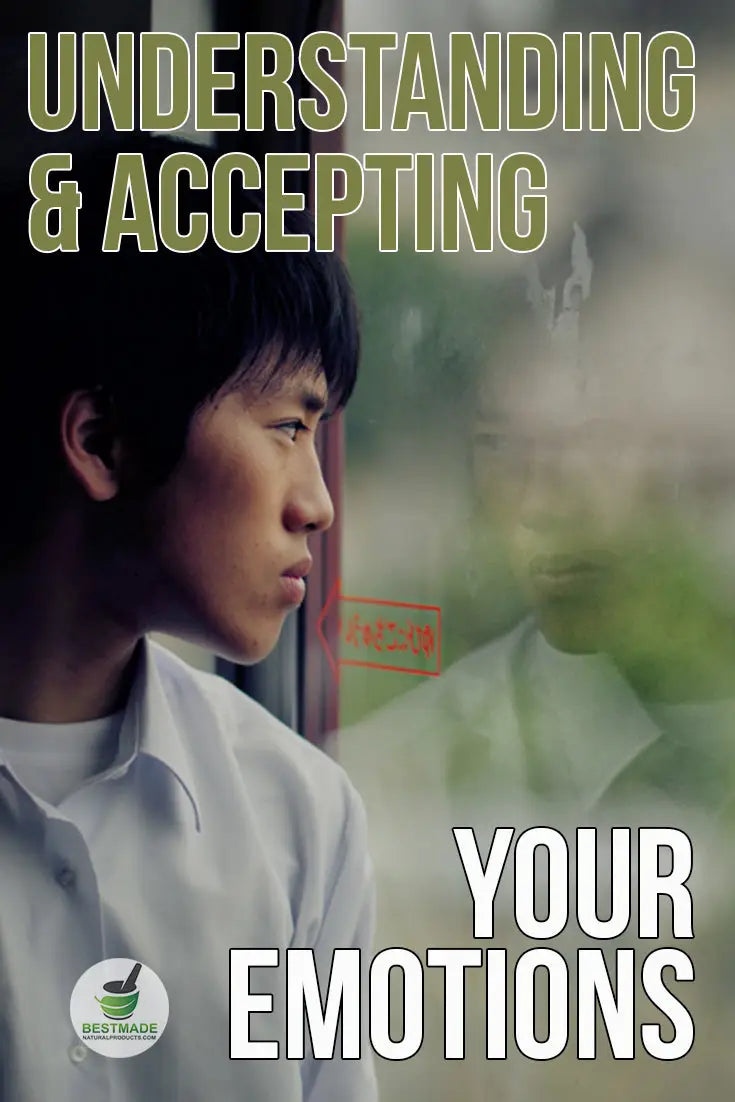
Understanding and Accepting Your Emotions
Emotions Tell You Something
We all cope with emotions in different ways. Learning to understand and accept your emotions for what they are and what they can teach you is an essential life skill, one that can show you a great deal about yourself and help you grow as a person.
What Happens When You Ignore Emotions
Choosing to ignore or push aside your emotions, instead of accepting them for what they are, is a sign of mental health trouble and can lead to serious health consequences, too.
Emotional Acceptance
One common reaction to uncomfortable emotions is to ignore them or reject how they make us feel. Because they make us feel bad, we avoid dealing with them. Instead of accepting and processing these feelings, some people stuff them down or numb them with drinking, drugs, or other harmful behaviors.

Feeling bad all the time is not the goal of acceptance. Emotions are feedback from your mind and body. They give you information you need to pay attention to. When you ignore or dull these feelings, the underlying issue often stays and finds another way to show up.
Emotional acceptance means letting emotions occur without judging yourself for having them or trying to change them immediately. You stop fighting the feeling itself, while keeping control over how much the feeling shapes your decisions.

Emotional acceptance is not giving in to how you feel. It is a decision to stop struggling against the emotion so you can process it and move forward.
Acceptance versus Resignation
Accepting an emotion does not mean you resign yourself to feeling that way forever. Sadness today does not require you to stay stuck. Acceptance means noticing how you feel now, without clinging to it, so you can respond more clearly and take helpful action later.

BIO16 is recommended for nervous exhaustion, fatigue, or sleeplessness resulting from stress and anxiety. Natural support for your nervous system to help cope with everyday stress and negative events.
Why Practice Acceptance
Emotions exist for a reason. They point out what to avoid, what to value, and what brings you satisfaction. They tell you who matters and how you should spend your time.
Listening to and accepting your emotions teaches you what matters in your life, if you stop pushing them away and pay attention.
Practical Steps to Start Accepting Emotions
- Notice the feeling. Name it quietly, for example, "I feel anxious."
- Describe where you feel it in your body. Tight chest, tense shoulders, knot in the stomach.
- Breathe and allow the sensation to be present without acting on it right away.
- Ask what the emotion is trying to tell you. Is there a practical step you can take?
Final Thoughts
Acceptance frees energy you would use to hide or numb how you feel, so you can use that energy to heal and take action. Identify what you feel, figure out its purpose, and then choose a response that helps you move forward and protect your emotional health.
Leave a comment