





Allergic Skin Reactions and Rashes: Practical Skin Care
The skin is the body's largest organ, so it pays to know what causes allergic reactions and how to treat them.
What is a skin allergic reaction?
A skin allergic reaction happens when your immune system reacts to something harmless to most people. It shows up as itching, burning, redness, bumps, hives, swelling, or a rash. Common allergic skin conditions include:
- Atopic dermatitis (eczema): itchy, dry, scaly patches often on the face, hands, elbows, and knees. Triggers include certain foods, stress, and harsh soaps.
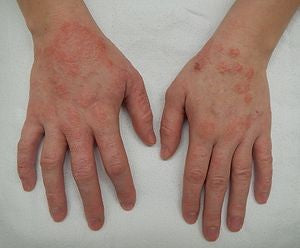
- Allergic contact dermatitis: a reaction where something touching your skin causes a delayed itchy, blistering rash.
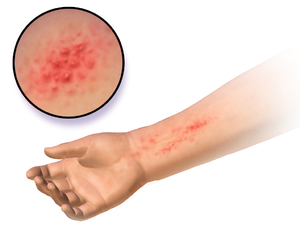
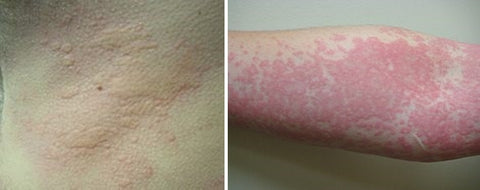
- Urticaria (hives): raised, itchy welts that can appear after eating a trigger or from other causes like insect bites.
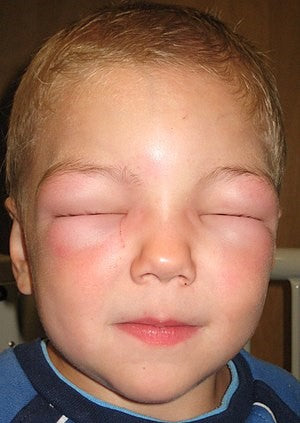
- Angioedema: deeper swelling, often of eyelids, lips, or throat. If your throat swells, get emergency care right away.
Causes and symptoms
Allergic skin problems happen when the immune system overreacts to an allergen. Symptoms vary by condition:
- Eczema: itchy, dry, red, scaly patches that may weep.
- Allergic contact dermatitis: itchy rash with raised bumps or blisters; can start immediately or up to 48 hours later.
- Urticaria: flat-topped, itchy welts.
- Angioedema: deep swelling, dangerous if it affects breathing.
When to see a doctor
Call emergency services if you have hives all over or trouble breathing. See a doctor if:
- You can’t control eczema symptoms.
- Your rash is bleeding or looks infected.
- You develop a new, unexplained allergy.
- A rash does not improve after 2 to 3 weeks.

Diagnosis and tests
Doctors review your history and examine your skin, eyes, nose, throat, and chest. They may order tests such as:
- Skin prick test: small exposures to suspected allergens, read in 15 minutes. One piece of the diagnostic picture, not definitive alone.
- Intradermal test: injected allergens for cases where prick testing is negative but suspicion remains.
- Blood tests: measure IgE antibodies; can give false positives, so results need context.
- Challenge tests: supervised exposure to a small amount of food or medicine to check reactions.
Treatment and prevention
Treatment depends on the cause. General steps include avoiding the allergen, using topical treatments and medications for itching or inflammation, and protecting the skin.
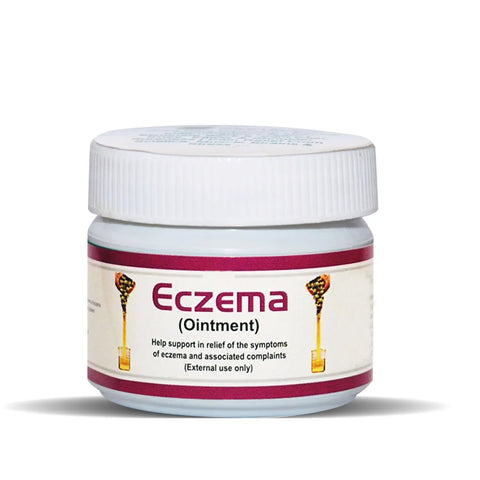
For eczema: avoid scratching, moisturize multiple times daily, skip wool or lanolin, use gentle cleansers, and take short baths with lukewarm water.
For hives: keep the skin cool, wear loose clothing, and avoid known triggers. After contact with a known allergen, wash the area promptly with soap and water.
Avoid scratching. Frequent bathing followed by proper moisturization reduces irritation and infection risk.
To prevent reactions, identify and avoid allergens that contact the skin such as soaps, hair products, and makeup. Also consider foods and medicines that can cause hives or swelling.
Common skin rashes and other causes
A rash is any change in the skin's color, texture, or appearance. Causes include contact with plants like poison ivy, infections, immune disorders, medications, and personal care products. Other conditions to consider:
- Drug allergy: rashes with fever, headache, or feeling unwell.
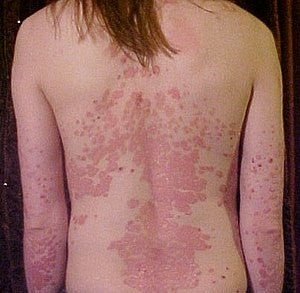
- Psoriasis: chronic immune condition with red plaques and silvery scales; can affect joints.
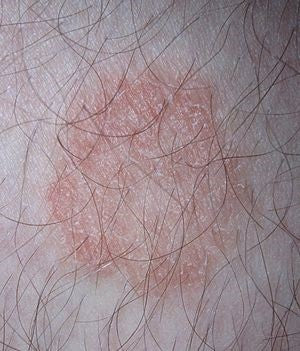
- Tinea (ringworm): fungal infection spread by contact or contaminated towels.
- Shingles: reactivation of chickenpox virus, painful blistering rash along a nerve distribution.
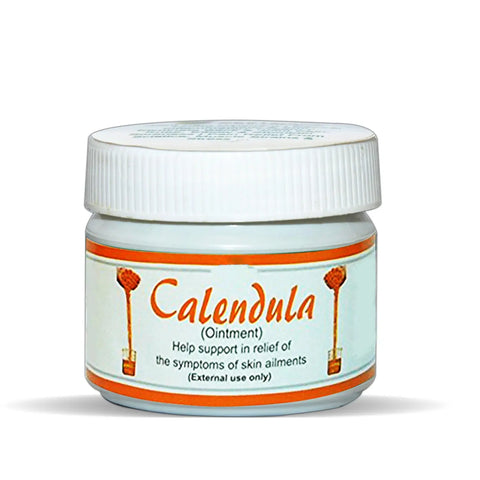
Some people use natural remedies to reduce irritation. Options reported to help include olive oil, colloidal oatmeal, aloe vera, apple cider vinegar, chamomile, neem, calendula, and coriander. Quality essential oils like peppermint, eucalyptus, and frankincense may reduce inflammation for some people, but test on a small area first and stop if it worsens. For persistent or severe symptoms, see a clinician.

The importance of healthy skin
Healthy skin protects from infection, helps regulate temperature, supports immune defense, and contributes to vitamin production and sensation. Good skin care also supports self-esteem and mental health.
Basic skin care habits that help prevent problems:
- Protect from the sun with sunscreen, avoid peak sun hours, and wear protective clothing.
- Quit smoking to preserve skin elasticity and circulation.
- Use lukewarm water, limit shower time, choose mild cleansers, shave with a clean sharp razor, and moisturize appropriately for your skin type.
- Follow a balanced diet high in fruits, vegetables, whole grains, lean protein, and healthy fats; drink plenty of water.
- Manage stress, get enough sleep, and make time for activities you enjoy.


Bottom line
Allergic skin reactions and rashes have many causes and treatments. Learn your triggers, protect your skin with consistent care, and see a clinician for severe or persistent issues.
Leave a comment