





Eczema vs Dermatitis: What’s the Difference?
STOP THE ITCH AND START THE HEALING!
Eczema is commonly used to describe the rash you see, while dermatitis refers to the underlying inflammatory skin condition. Recent studies show that many forms of eczema involve immune system activity, and atopic dermatitis has a strong genetic link. Contact dermatitis comes from skin exposure to a substance, and that type can be temporary or persist if the trigger remains. Atopic dermatitis often flares periodically rather than staying constant.
Eczema shows up more in children, but adults get it too. It places a real burden on quality of life and health systems; about 20% of children worldwide and roughly 5% of adults are affected. In the USA, an estimated 31.6 million people report eczema symptoms, including 17.8 million with atopic dermatitis. Cases are more common in developed countries than in developing ones.
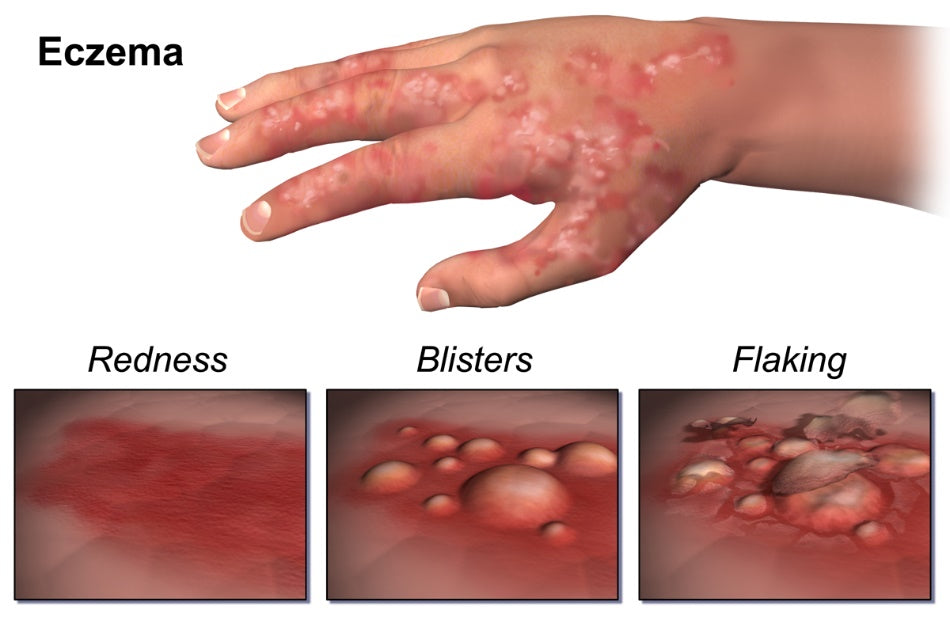
What happens during an eczema flare
Most people with dermatitis have a genetic tendency, but genes alone usually do not cause symptoms. Allergic conditions like hay fever or asthma often appear before eczema does, showing the immune system plays an active role. The immune response creates antibodies that react to allergens and can trigger skin inflammation.
 Symptoms
Common signs include very dry skin and intense itching that can disrupt sleep and daily activities. Small raised bumps may form, leak fluid, then crust over when scratched. That leaves skin raw, swollen, and at risk for secondary infection.

Dermatitis often appears in the elbow creases and behind the knees, plus the face, hands, and feet. It can show up anywhere, but those are the usual spots.
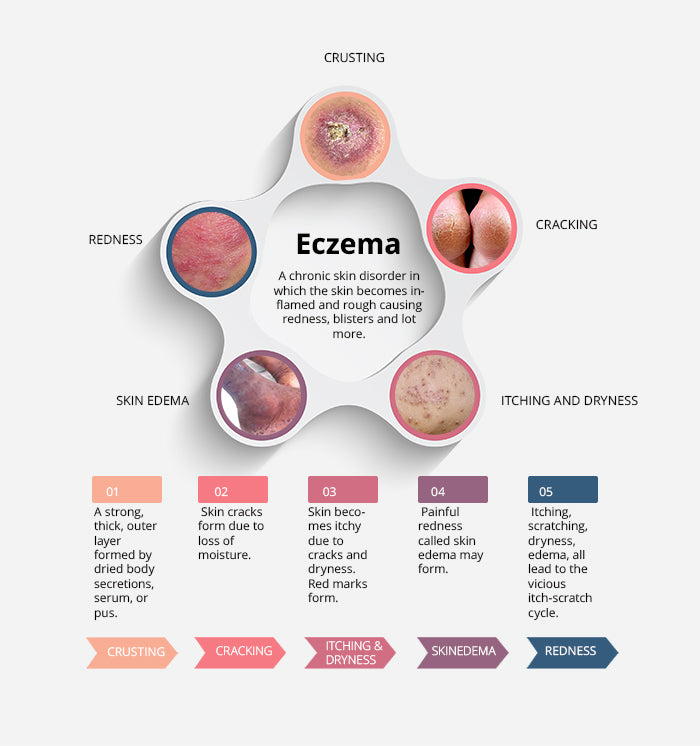
Figure 1 Atopic Dermatitis - Infographic
Treatment and symptom relief
There is no universal cure for eczema. Current treatments focus on reducing inflammation, controlling itch, and preventing infection. Many people want alternatives to steroid creams because of side effects, and some find relief with plant-based extracts that have anti-allergic or anti-inflammatory effects. Clinical studies show certain natural compounds can reduce symptoms and lower treatment costs, though results vary by product and person.
Extra measures that help
Oils and essential oils can soothe irritated skin when used correctly. Organic, unprocessed coconut oil can reduce itching and restore moisture without stinging. Adding a few drops of safe essential oils to a bath can calm flares, and some oils have antibacterial properties that help prevent infection. Always patch test and talk with a clinician before using essential oils on inflamed skin.
References:
Parvin MANSOURI, L. (2018). Review of Medicinal Remedies on Hand Eczema Based on Iranian Traditional Medicine: A Narrative Review Article. https://www.ncbi.nlm.nih.gov/pmc/articles/PMC5139979/
Lee, J., Son, S. and Cho, S. (2016). A Comprehensive Review of the Treatment of Atopic Eczema. Allergy, Asthma & Immunology Research, 8(3), p.181.
Thomsen, S. (2014). Atopic Dermatitis: Natural History, Diagnosis, and Treatment. ISRN Allergy, 2014, pp.1-7.
S, N. (2018). Atopic dermatitis: global epidemiology and risk factors. PubMed. https://www.ncbi.nlm.nih.gov/pubmed/25925336
Which product is best for shoulder and neck pain?
Leave a comment