





Halitosis: Natural Ways to Treat Bad Breath

BM249 provides natural support for oral health and with the risk of gum inflammation. Recommended for bad breath. Effective natural support for the balance of healthy bacteria in the mouth and digestive system. It may help with cavities.
When you walk the supermarket aisles, you see mouthwashes, sprays, gums, lozenges, and scrapers claiming to fix bad breath. Many of those give only short-term results because they mask odors instead of treating the cause.
About one in four people worldwide notice persistent bad breath, medically called halitosis. It affects oral health and can create embarrassing social and emotional problems.
What halitosis looks like
The main sign is smelly breath that does not go away. You might also notice white coating on the tongue, deposits on the tonsils, a dry mouth, thick saliva, or a metallic or sour taste.
Morning breath after sleep is normal. Chronic halitosis persists despite regular brushing and eating habits.

Common causes
Most causes sit in the mouth. Bacteria on the tongue, in periodontal pockets, and in diseased gum tissue produce volatile sulfur compounds, like hydrogen sulfide and mercaptans, which smell unpleasant.
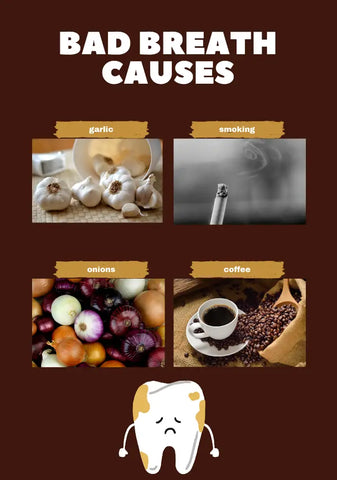
- Smoking: reduces saliva and increases gum disease risk.
- Poor oral hygiene: food particles, plaque, and decayed teeth feed bacteria.
- Food: garlic, onions, and coffee can cause strong breath odors.
- Dry mouth: saliva normally washes food and bacteria away; less saliva means more odor.
- Gingivitis and periodontitis: inflamed or infected gums harbor odor-causing bacteria.
- Upper airway infections: sinus infections, tonsil stones, and chronic bronchitis can produce smell.
- Systemic issues: diabetes, kidney or liver problems can change breath odor.
Diagnosis
If breath stays foul despite home care, see your doctor or dentist. You can screen at home by licking the top of your hand, letting saliva dry, and checking for odor, or by scraping the back of your tongue with gauze and smelling it.
Clinics use a physical exam, smell testing, portable sulfur detectors, gas chromatography, and tongue-scraping chemical tests. Your provider will ask about diet, medications, oral care routine, sleep and snoring habits, and look for throat, sinus, or systemic disease.

BIO18 is best used for gingivitis and swollen, bleeding gums. It may help with pus pockets and foul breath.
Treatments and home steps that help
Treatment depends on the cause. Dental care solves many cases, while treating infections or managing systemic disease helps others. For dry mouth, your clinician may suggest saliva substitutes.
Daily oral care
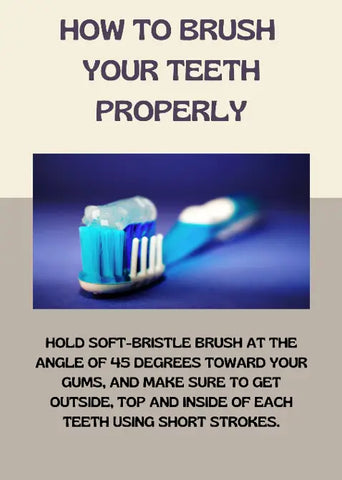
Follow a consistent routine: brush twice daily for two minutes, floss once a day, and clean your tongue. Use a soft-bristled brush, hold it at a 45 degree angle to the gums, and reach all surfaces. Replace your toothbrush every three months or sooner if it looks worn.
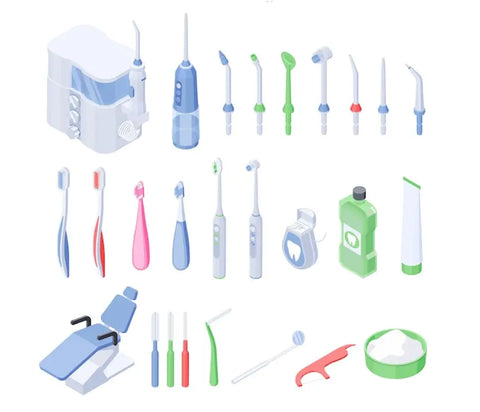
Include interdental brushes or floss to remove trapped food that a toothbrush cannot reach. Tongue scrapers or brushes with built-in cleaners remove bacteria on the tongue that cause odor. Use an antibacterial mouthwash at least once daily if your dentist recommends it. Clean dental appliances and dentures as instructed, and keep regular dental visits, typically twice a year.
Diet and simple remedies
Drink plenty of water to support saliva. Avoid or limit coffee, alcohol, and sugary drinks that dry the mouth. Chew sugarless gum to stimulate saliva. Eat crunchy fruits and vegetables, apples, celery, and leafy greens to help clear food debris from teeth.
Parsley, mint, and basil contain chlorophyll and can freshen breath briefly. Anise, fennel, or clove seeds have aromatic oils that reduce odor when chewed. Green and mint teas have mild disinfectant properties and can be carried to work after brewing the night before. Sage tea makes a good gargle.
If digestion is the issue, teas such as dandelion root combined with wormwood are traditional choices; steep three tablespoons in 700 ml boiled water, strain, and drink 200 ml before meals up to three times daily. Check with your provider before starting herbal remedies.
Dairy can reduce odor after meals with garlic or onions. Plain nonfat yogurt with live cultures supplies lactobacillus, which can help rebalance gut bacteria; one serving daily has shown benefit for some people.


Alternative approaches
Homeopathic practitioners sometimes recommend remedies like Pulsatilla, Hepar sulfur, or Kreosote for specific symptom patterns. Talk to your practitioner to match treatment to your symptoms.
When to see a professional
If good oral hygiene and home measures do not improve breath, schedule an appointment with your dentist and doctor. Persistent bad breath often indicates an untreated dental or medical issue that needs care.
You're not alone in this. With focused dental care, targeted home habits, and medical evaluation when needed, most cases improve substantially.
Sources: Mayo Clinic, Healthline, Cleveland Clinic, Bestmade Natural Products, Willow Creek Dentist, Lybrate
You may also like:
How Smoking Affects Your Health and What to Do About It
Leave a comment