





Healing Wounds Naturally With Homeopathy
Homeopathic Remedies for Wounds, Bruises & Injury Recovery
Minor cuts, scrapes, bruises, strains, and sore muscles are part of everyday life. Good first aid comes first, and homeopathy offers additional remedies traditionally chosen according to the type of injury and the way it feels.
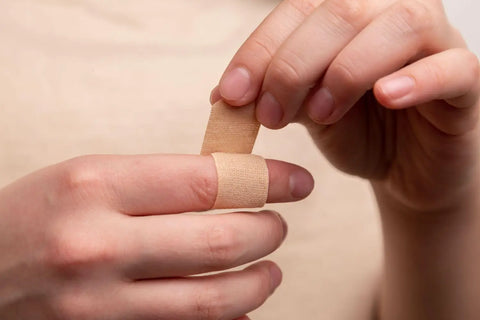
Cuts, grazes, bruises, and sore muscles often settle with simple first aid and time. But some injuries stay tender, swollen, or uncomfortable longer than you’d like, and that’s when many people look for extra recovery support.
Homeopathy takes an individualized approach. Instead of choosing a remedy only by the name of the injury, homeopathic practice looks at what caused it, how the pain feels, where it is, and what makes it better or worse.
That makes remedies such as Arnica, Calendula, Hypericum, Ledum, Staphysagria, and Calc Sulph useful to know about when building a home first-aid routine.
The most important rule: homeopathy can be used alongside proper wound care, but it doesn’t replace cleaning, dressing, stitches, tetanus protection, or medical attention when an injury needs them.
What to Do First After a Cut or Minor Wound
Before choosing any remedy, take care of the injury itself. For a small cut or scrape, a few basic steps make the biggest difference.
- Wash your hands first: This helps keep dirt and bacteria out of the wound.
- Stop the bleeding: Apply gentle, steady pressure with a clean cloth or dressing if needed.
- Rinse the wound: Clean running water is usually enough for a minor cut or graze. Gently remove visible dirt if it can be removed easily.
- Protect it: Cover the area with a clean dressing when needed and change it if it becomes wet or dirty.
- Watch how it heals: Increasing pain, warmth, swelling, drainage, or other signs of infection deserve medical attention.
For bruises and strains, the approach is different. There may be no open wound to clean. Resting the area and protecting it from further injury may be all that’s needed for a minor bump, while homeopathic remedies can be chosen around the soreness, bruising, stiffness, or swelling that follows.
Common Types of Wounds & Injuries
Knowing what kind of injury you’re dealing with makes it easier to understand what kind of care it needs.
Contusion
A contusion is what we usually call a bruise. Small blood vessels under the skin are damaged by a bump or blow, causing tenderness and discoloration. Mild bruises are common, while a major impact or crush injury needs more careful assessment.
Abrasion
An abrasion happens when the top layer of skin is scraped away. Road rash and scraped knees are familiar examples. Because the surface is open, cleaning away dirt and protecting the area matters.
Incised Wound
An incised wound is caused by a sharp object and usually has cleaner, straighter edges. Small cuts may be manageable at home, but deep or gaping cuts may need professional closure.
Laceration
A laceration is a tear in the skin, often with more irregular edges. Deeper lacerations can involve tissue beneath the skin and may require stitches or other medical treatment.
Penetrating or Puncture Wound
These injuries may look small on the surface but extend deeper underneath. Because depth, contamination, and tetanus risk matter, deep or dirty puncture wounds should be assessed carefully.
Hematoma
A hematoma is a more localized collection of blood within tissue after an injury. It can occur under the skin or deeper in muscle and other tissues. Large, very painful, or unexplained hematomas deserve medical attention, especially in people with bleeding disorders such as hemophilia.
How Homeopathy Approaches Injury Recovery
Homeopathy looks at more than the injury itself. Two people can both have a sore ankle, for example, but one may have deep bruised soreness after a fall while another has sharp nerve-like pain. Those different patterns can point toward different remedies.
A homeopathic remedy may be selected based on:
- The cause: a blow, fall, scrape, puncture, cut, dental procedure, surgery, or overexertion.
- The sensation: bruised, aching, burning, sharp, shooting, throbbing, or very tender.
- The tissue involved: skin, muscle, nerves, or deeper soft tissue.
- What changes the discomfort: movement, pressure, warmth, cold, touch, or rest.
- How healing is progressing: whether the area is simply sore or whether the wound itself is slow to close or becoming more irritated.
For a very specific or complicated injury pattern, a qualified homeopathic practitioner can help individualize remedy selection.
Arnica: The Classic Homeopathic Remedy After a Bump or Injury
Arnica Montana is one of the best-known homeopathic remedies for physical trauma. It’s traditionally chosen when the main picture is bruising, deep soreness, tenderness, swelling, or that “I feel like I’ve been beaten up” feeling after an injury or overexertion.
It’s a natural fit after everyday bumps, hard workouts, strains, sprains, or other situations where the tissues feel bruised and sore.

For bruising, soreness & swelling after injury
Arnica Montana 200C is an easy remedy to keep at home for the kinds of injuries that leave you feeling bruised, sore, swollen, or tender afterward.
It offers support for bruising, soreness, pain, and discomfort associated with strains, sprains, and swelling.
Shop Arnica Montana 200CThink “bruised and sore” for Arnica. If the main problem after a bump, fall, workout, or strain is deep tenderness, muscle soreness, bruising, or swelling, Arnica is usually the simplest homeopathic remedy to consider first.
Other Homeopathic Remedies Commonly Used for Wounds
Calc Sulph
Calc Sulph is traditionally considered when healing seems slow, especially when the skin remains irritated or there is a tendency toward discharge. It is also used in homeopathic routines for blemishes, boils, and other skin concerns.
If the initial bruising and soreness have settled and the bigger concern is slow skin recovery, Calc Sulph may be a more natural fit.

For slow skin recovery
Calc Sulph 6X is traditionally chosen when skin healing and regeneration are the main focus rather than bruising or muscle soreness.
It's commonly used in homeopathic routines for skin concerns, blemishes, and slow-healing wound patterns.
Shop Calc Sulph 6XImportant: pus, increasing redness or warmth, worsening pain, fever, or other signs of infection should be medically assessed. Don’t rely on a homeopathic remedy alone for a potentially infected wound.
Calendula
Calendula is one of the best-known homeopathic and herbal choices for the skin. It is traditionally used topically for minor cuts, scrapes, and irritated skin and is often included in home first-aid kits.
Use a properly prepared topical Calendula product according to its directions. Deep, dirty, or infected wounds still need appropriate medical care.
Hypericum
Hypericum is traditionally associated with injuries involving nerve-rich areas or pain that feels sharp, shooting, or nerve-like.
It is often considered for injuries involving fingertips, toes, or other sensitive areas where nerve discomfort stands out more than bruising.
Ledum
Ledum is traditionally considered for puncture-type injuries and patterns where the discomfort feels better with cold applications.
Because puncture wounds can carry infection and tetanus risks even when the surface opening looks small, proper wound care and medical assessment are especially important when the wound is deep or dirty.
Staphysagria
Staphysagria is traditionally associated with clean cuts and incised wounds, including recovery after procedures where the tissue has been cut cleanly.
It may be considered as complementary recovery support after appropriate professional care when the injury pattern fits.
Quick Homeopathic Remedy Guide
| If the injury feels like... | Remedy commonly considered | Typical homeopathic pattern |
|---|---|---|
| Bruised, beaten, sore, swollen | Arnica | Blunt trauma, muscle soreness, bumps, strains, sprains |
| Skin is slow to settle or heal | Calc Sulph | Slow-healing skin concerns or discharge patterns |
| Minor scrape or irritated skin | Calendula | Topical skin and wound support |
| Sharp, shooting, nerve-like pain | Hypericum | Nerve-rich or very sensitive areas |
| Puncture-type injury, better with cold | Ledum | Puncture-style injury pattern |
| Clean, sensitive cut | Staphysagria | Incised wounds and post-procedure patterns |
Different injuries can call for different remedies, and it isn’t always practical to buy each one separately. If you like keeping homeopathic options ready for whatever comes up, a first-aid kit can make that much easier.

Want a more complete home first-aid kit?
Our First Aid Home Natural Remedy Kit Bundle brings together multiple homeopathic remedies so you can keep a wider range of options ready instead of building your first-aid collection one remedy at a time.
It’s a practical choice if you want to be prepared for different everyday injury and first-aid situations at home.
Explore the First Aid KitCan You Use More Than One Remedy During Recovery?
Sometimes the remedy that fits best can change as an injury heals. For example, Arnica may fit the early stage when bruising and soreness dominate, while a different remedy may be considered later if nerve discomfort or skin healing becomes the main concern.
That doesn’t mean you need several remedies for every injury. For simple home use, it’s usually easier to start with the pattern that stands out most rather than combining products unnecessarily.
What Else Helps a Minor Injury Heal Well?
Homeopathic support works best as part of sensible recovery care. Give the body the basics it needs too.
- Protect the injured area from repeated bumps or unnecessary strain.
- Keep open wounds clean and use a suitable dressing when needed.
- Rest a sore muscle or joint if activity is making it worse.
- Eat and hydrate normally so your body has what it needs during recovery.
- Pay attention to changes: improving soreness is different from pain, swelling, or redness that keeps getting worse.
When a Wound Needs Medical Care
Minor scrapes, shallow cuts, and everyday bruises can often be cared for at home. Other injuries shouldn’t be managed with home remedies alone.
Get medical help for situations such as:
- Bleeding that won’t stop with steady direct pressure.
- A deep, large, or badly gaping wound.
- An object stuck inside the wound.
- A deep or dirty puncture wound, especially if tetanus protection may not be up to date.
- An animal or human bite.
- Loss of sensation or difficulty moving the injured area.
- Signs of infection, such as increasing pain, warmth, swelling, drainage, or fever.
- A major blow or penetrating injury where deeper damage may be possible even if the skin wound looks small.
Homeopathy works best as complementary care. It can be part of how you support comfort and recovery, while appropriate first aid and medical treatment handle problems such as deep tissue damage, uncontrolled bleeding, infection, or wounds that need closure.
FAQs
What is the first homeopathic remedy to think of for a bruise?
Arnica is one of the classic homeopathic choices when an injury feels bruised, tender, sore, or swollen after a bump, fall, strain, or overexertion.
Can I use Arnica for sore muscles after exercise?
Arnica is commonly chosen in homeopathic practice for soreness and tenderness after physical overexertion. Arnica Montana 200C is intended to temporarily relieve bruising, muscle soreness, pain, strains, sprains, and swelling.
Can I put Arnica directly on an open wound?
Topical Arnica products are generally intended for intact skin unless their label specifically says otherwise. Do not put a topical product into an open or bleeding wound unless it is specifically designed for that use. Oral homeopathic Arnica is a different form.
Which remedy is used when nerve pain stands out?
Hypericum is traditionally considered when pain feels sharp, shooting, or strongly nerve-related, especially in nerve-rich areas such as the fingertips.
Can homeopathy be used after surgery?
Some people use homeopathic remedies as complementary recovery support after procedures. Remedy choice depends on the symptom pattern, and anything used after surgery should fit alongside the care plan given by the surgical team.
The Bottom Line
A useful home first-aid approach doesn’t have to be complicated. Clean and protect open wounds properly, know when an injury needs professional care, and use homeopathic remedies according to the pattern that stands out most.
For the everyday bumps, falls, strains, and overexertion that leave you bruised and sore, Arnica Montana 200C is one of the simplest remedies to keep within reach.
Other remedies have their own place: Calendula for minor skin-focused care, Hypericum when nerve discomfort stands out, Ledum for the traditional puncture-wound pattern, Staphysagria for clean cuts, and Calc Sulph when slower skin recovery is the main focus.
If you only keep one homeopathic injury remedy at home: Arnica is the most versatile starting point for the bruising, muscle soreness, strains, sprains, swelling, and general post-injury tenderness that tend to happen most often.
Leave a comment