





How to Help Someone Heal from Emotional Trauma
Emotional trauma can change how someone thinks, feels, and shows up day to day. Your support matters more than you might realize. This guide gives practical steps you can use right away to help someone feel safer and more understood.
This post references the prevalence and impact of emotional trauma and offers clear, usable guidance for supporting someone through it.
Learn the basics
Start by learning what trauma can look like. Common reactions include flashbacks, anxiety, avoidance, irritability, changes in sleep, and emotional numbness. Read reliable sources on symptoms and treatment options so you can spot signs early and suggest helpful next steps.
Get familiar with therapy approaches like cognitive behavioral therapy and EMDR, and know where to find support groups or crisis hotlines. That lets you share concrete options when the person is ready.
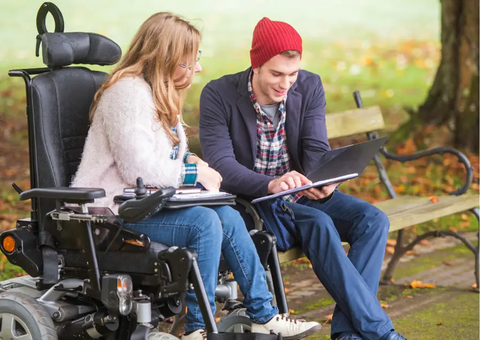
Be empathetic and non-judgmental
Create a safe space where they can express feelings without fear of criticism. Listen without rushing to fix things or tell them how they should feel. Validation matters: say what you hear and acknowledge how hard it is for them.
Even if you don’t fully understand their experience, your calm presence and steady attention reduce isolation and build trust.
Encourage communication, gently
Let them know you’re available to talk and respect their timing and boundaries. Some people need silence or distraction at first; others need to talk repeatedly about the same memory. Offer opportunities to share and accept when they’re not ready.

Practice active listening
Give full attention when they speak. Use short reflective statements like, "That sounds overwhelming," or "You felt scared and alone." Maintain reassuring body language and avoid interrupting. Reflection shows you heard them and helps them sort feelings.

Offer support, not quick fixes
Avoid telling them to move on or offering simple solutions. Instead, help them find professional resources and remind them that seeking help is a strength. Share options like therapists, support groups, and crisis lines when they ask.

Respect their coping mechanisms
People use different strategies to manage trauma. If those strategies are not harmful, support them. If a coping method risks their safety, bring that up calmly and help find safer alternatives.

Help them build a simple routine
Trauma disrupts daily life. Help them reintroduce basic structure: regular sleep and meals, short walks, and small, manageable tasks. Offer to join them for a walk or a meal. Shared activities provide connection without always requiring heavy conversation.
Routine reduces chaos, which lowers stress and makes therapy work better.
Watch for signs of crisis
Know local crisis resources and emergency contacts. If they talk about harming themselves or others, seek immediate help. Stay with them if safe, call emergency services, or reach out to a crisis line for guidance.
Care for yourself
Supporting someone through trauma is draining. Set boundaries and get your own support from friends, a therapist, or a support group. You can only help well when you keep yourself steady.
Small acts of steady support make a big difference. Stay patient, keep listening, and point them toward professional help when needed.
Leave a comment