





How Autism Affects Development and Learning
Autism or Autism Spectrum Disorder (ASD) is a developmental disorder that affects the nervous system and often poses behavioral, social, and communication challenges. It typically appears during the first three years of a child's life.
Autism or ASD can make it hard for children to learn social skills. Many on the spectrum have trouble understanding emotions or facial expressions in others.
Children with ASD may:
- Prefer playing alone
- Not want to be touched
- Resist changes to routines

Some children with ASD seem to live in their own world. They often lack social awareness and may not seek interactions with peers. They usually prefer predictable routines and may have delayed speech or avoid eye contact.
There is usually no visible sign that a child has Autism, but their behavior, interaction, and learning patterns can differ from other children.
Thinking and problem-solving skills range widely. Some children need substantial daily support, while others are largely independent and may show exceptional abilities in specific areas.
Kids commonly use coping behaviors (stimming), like hand flapping or rocking, to calm themselves. They may form strong attachments to objects, and many excel at tasks such as counting, memory, music, or art.

How ASD Affects Development
Being on the spectrum often changes the timing and order of developmental milestones. Early milestones include rolling over and social smiling. Later ones include language and social skills. Children with ASD may reach these milestones on a different schedule, or acquire skills in a different sequence.
For example, a child might use a few single words near 12 months, yet not experience a rapid increase in vocabulary. Combining words into short phrases may not occur until age three or later.
The lower brain, which helps with coordination and balance, can be involved. Muscle tone and transitions between movements may differ, affecting both gross and fine motor skills. That difference can make movements seem slow or unpredictable and can interfere with drawing, writing, or playing instruments.
Troubles with Social Interaction
Play-based learning and peer interaction matter for development, but children with ASD often find these tasks difficult. They may struggle to interpret social cues, have trouble making friends, or display unusual attachments to objects. Their literal thinking makes imaginative play and role-play harder.
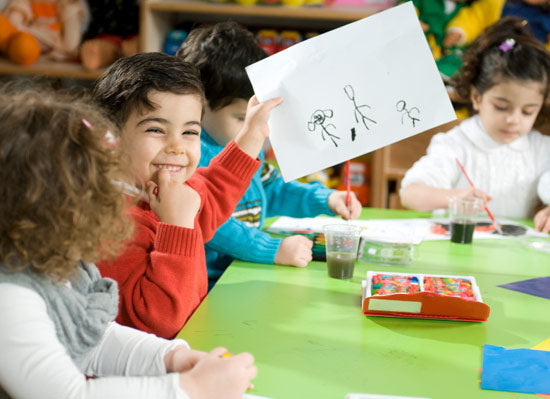
Accepting behaviors that won’t change helps more than forcing change. Provide safe, quiet options like reading or solo play so a child can observe the world from a comfortable place.
Understanding Others' Perspectives
Perspective taking typically develops between ages three and five, but it can take much longer for children with ASD. They may not grasp that others have different thoughts and feelings, which can cause social friction and loneliness. Difficulty managing frustration and emotional regulation can make social situations even harder.
How ASD Affects Learning and Education
Attention differences, narrow focus, and communication challenges all affect classroom learning. Recognizing these patterns lets caregivers and educators apply practical strategies.
Narrow Focus and Interests
Children with ASD often notice details but miss the big picture. They might remember specific facts from a story but not its main idea. Narrow, intense interests can make it harder to engage them in broader topics, but those interests also offer an entry point for teaching other skills and connecting topics to a larger context.
Attention Issues
Sounds, lights, or clothing textures can distract a child with ASD. They often focus best on topics that match their interests. Caregivers and teachers can build attention gradually with structured supports and shorter tasks.
Language and Nonverbal Skills

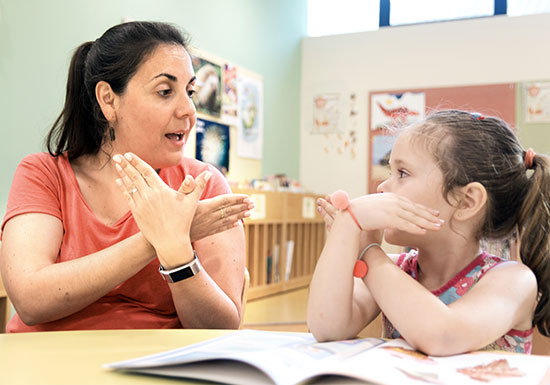
Speech delays and language development issues are often early signs of ASD. Early intervention that builds on a child’s interests helps most. Nonverbal skills like gestures and eye contact can also be weak. Teaching nonverbal cues or using sign language and visual supports can improve communication before or alongside verbal work.
How to Help a Child Diagnosed with ASD
ASD lasts a lifetime, but early identification and targeted support reduce symptoms and improve function. Caregivers, healthcare providers, and educators form a team to support the child.
Practical steps parents can take:
- Keep regular appointments with the child's healthcare provider.
- Consider a medical alert device if the child wanders or cannot communicate, and carry an emergency card with contact details and communication symbols.

- Ask the school about special education resources and legal protections for students with disabilities. Talk with teachers about supports that work for your child.
- Tell trusted family members, school staff, and caregivers about the diagnosis, and create a consistent treatment plan with professionals.
- Discuss with the child's provider which specialists the child may need, such as speech therapists, occupational therapists, neurologists, or behavioral specialists.
Caregivers should also watch for signs of stress and accept help from friends and family. Taking breaks and seeking professional support when needed helps the whole family manage long-term care demands.
Leave a comment