





Top 10 Natural Tips for Stress Management
Stress builds up from constant demands, shifting routines, and too much information. You can reduce its impact by using practical habits that protect your body and mind.
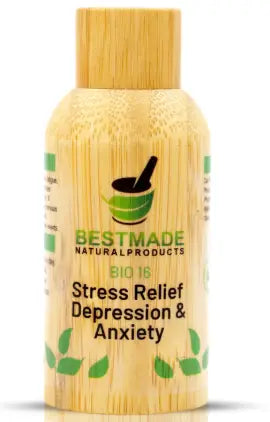
BIO16 temporarily relieves occasional nervous exhaustion, anxiousness, restlessness, tiredness, or sleeplessness resulting from stress. Temporarily supports your nervous system to help you cope with everyday stress and negative events.
The good news is that you can use clear steps to manage stress and protect your health. These ten tips focus on daily habits you can start today.
What is stress, and what does it do to you?
Stress is your body and mind reacting to demands they see as threatening or excessive. A little stress can sharpen focus and push you to act. Too much stress reduces energy, interferes with sleep, and makes it hard to concentrate.
Lowering daily stress helps you handle bigger challenges later. Small habits add up fast.

Common symptoms of stress
Stress affects body, mood, and behavior. Spotting the signs helps you take action early.
Physical signs:
- Headaches
- Muscle tension or pain
- Chest discomfort
- Skin flare-ups
- Changes in sexual desire
- Stomach problems
- Worsening of chronic conditions
- Trouble sleeping or nightmares
Mood and thinking:
- Anxiety, sadness, or low motivation
- Irritability, worry, or frustration
- Difficulty concentrating
- Feeling overwhelmed
Behavioral signs:
- Changes in appetite
- Pulling away from people
- Exercising less
- Using alcohol, tobacco, or other substances more
- Outbursts of anger
If you want practical steps now, try these ten habits.

Kali Phos temporarily relieves occasional nervous tension, exhaustion, and offensive secretions and excretions. Temporarily supports your body during exams or times of work-related stress. It also temporarily supports the body’s defense systems.
The best ten tips to manage stress
Start with one or two changes, then add more as they become routine.
1. Exercise regularly
Physical activity lowers anxiety and improves mood and sleep. Choose something you enjoy so you stick with it: swimming, dancing, running, aerobics, walking, or cycling. If you have little time, fit movement into your day: take the stairs, walk on your lunch break, bike instead of drive, or park farther away.

2. Practice relaxation techniques daily
Short routines work better than long, infrequent ones. Try deep breathing, meditation, yoga, tai chi, or a short progressive muscle relaxation before bed. Even five minutes of focused breathing during a tough moment lowers your heart rate and clears your head.
3. Prioritize sleep
Set a regular bedtime, reduce screens an hour before sleep, and make your bedroom cool and dark. Aim for consistent sleep and treat it like a nonnegotiable appointment.
4. Improve your diet
Stable blood sugar helps mood. Eat regular meals with protein, healthy fats, and vegetables. Cut back on excess caffeine and sugar, especially late in the day.
5. Manage time and tasks
Break big tasks into small steps. Use a short daily to-do list with three must-dos. Say no to extra commitments when your plate is full.
6. Build social support
Talk to a friend, family member, or colleague. Joining a small group or class gives structure and connection, which lowers stress.
7. Use healthy coping tools
Swap unhealthy habits for healthier ones: take a walk instead of reaching for alcohol, call a friend instead of scrolling, or use a breathing break when you feel triggered.
8. Limit information overload
Set boundaries for news and social media. Schedule specific times to check updates, rather than keeping feeds open all day.
9. Try short mindfulness or grounding exercises
Simple grounding works anywhere: name five things you see, four things you feel, three things you hear, two smells, one taste. Use it to interrupt runaway thoughts and return to the present.
10. Seek professional help when needed
If stress keeps you from daily life, talk to a healthcare professional. Therapists, counselors, and doctors can help with strategies, and sometimes medicine or structured therapy is the right step.
Small habits protect your energy and improve resilience. Start with one change you can keep, then add another. Over weeks, those changes stack and reduce how often stress overwhelms you.
For more support, explore natural remedies and homeopathic options on our product pages, or ask a healthcare professional about what fits your needs.
Leave a comment