





Optimizing Veterans' Mental Health: Practical Support Strategies
Veterans face unique mental and physical challenges after service. Many return with painful memories, injuries, or uncertainty about the future, and those issues can make daily life harder than it needs to be. This guide explains common problems and gives concrete ways you can help.
Why veterans struggle with mental health
Several factors increase the risk of mental health problems among veterans:
- Traumatic experiences: Combat and life-threatening events can cause ongoing stress reactions.
- Adjustment challenges: Civilian life routines, work, and relationships often differ sharply from military life, which can create isolation or role confusion.
- Physical injuries: Chronic pain and disability often lead to frustration, sleep problems, and mood changes.
- Loss and grief: Losing comrades has a lasting emotional impact for many service members.
- Stigma: Fear of judgment can stop veterans from asking for help early.
- Uncertainty about the future: Career and financial worries add ongoing stress.
- Financial strain: Economic pressure compounds mental health risks.
Every veteran’s experience is different, so pay attention to individual needs and signs. For general tips on mental wellness, see 5 simple ways to improve your mental health.

Common mental health conditions in veterans
Look for these frequently seen issues:
Post-Traumatic Stress Disorder (PTSD)
Symptoms include flashbacks, nightmares, hypervigilance, and avoidance. Learn more at the VA PTSD basics.
Depression
Persistent sadness, low energy, and loss of interest in activities can interfere with work and relationships.
Anxiety disorders
Including generalized anxiety, panic disorder, and social anxiety. See our anxiety relief resources.
Substance use
Alcohol or drug use often starts as self-medication for pain, stress, or sleep problems and can become addiction.
Traumatic brain injury (TBI)
TBI causes memory, attention, and mood problems. More at VA research on TBI.
Other concerns include suicidal thoughts, bipolar disorder, schizophrenia, and personality disorders. If someone expresses self-harm thoughts, seek immediate help.
Common physical health issues tied to service
Physical ailments often interact with mental health, and treating both together improves outcomes:
- Musculoskeletal injuries: Back, joint, and soft-tissue pain from heavy physical demands.
- Traumatic injuries: Concussions, burns, amputations, and long-term rehabilitation needs.
- Hearing loss and tinnitus: Noise exposure causes hearing problems and persistent ringing. Read more about tinnitus here.

BM71 is helpful for Tinnitus (ringing in the ear), damage to the vestibulocochlear nerve, and sensations of ringing, buzzing, hissing, chirping, whistling, or other sounds.
- Infectious diseases: Exposure varies by deployment location.
- Agent Orange and chemical exposures: Linked to long-term conditions for some Vietnam-era veterans. See Agent Orange info.
- Respiratory issues: From dust, smoke, and chemical exposure.
- Combat-related injuries and sexual trauma: Both have physical and psychological effects.
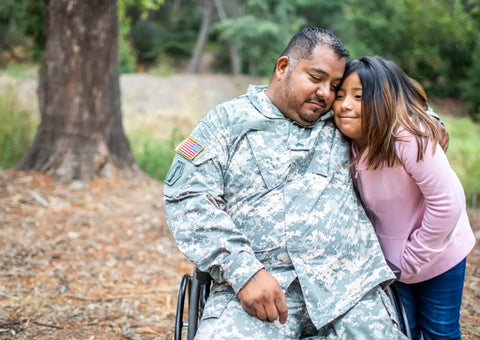
How you can support veterans right now
Practical, evidence-based actions help more than platitudes. Try these:
- Listen and show understanding: Open questions, patient listening, and steady presence make veterans more likely to seek help.
- Know the warning signs: Mood shifts, withdrawal, sleep changes, increased substance use, or talk of hopelessness require attention.
- Encourage professional care: Offer to help find a therapist, make an appointment, or go with them to a visit.
- Connect them to peer groups: Veterans’ groups, community organizations, and online forums reduce isolation. See resources like veterans' support groups.
- Address practical needs: Help with job searches, benefits paperwork, or local services. Stability lowers stress quickly.
- Support healthy routines: Regular sleep, movement, balanced meals, and social contact improve mood and cognition.
- Take threats seriously: If a veteran talks about harming themselves, get immediate help from emergency services or crisis lines.
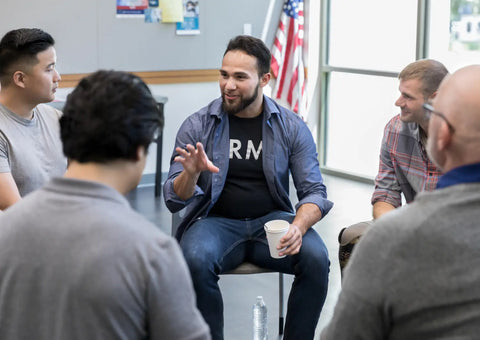
Stay informed about local VA services, community clinics, and nonprofit programs that offer free or low-cost care. Being able to point someone to a real, local option makes it more likely they will get help.
Leave a comment