





Clear Vision Naturally: Practical Tips for Healthy Eyes
Sight lets you read, work, enjoy faces, and move around with confidence. Protecting your eyes takes small, daily choices that add up over time.
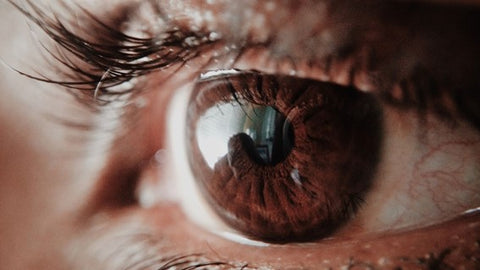
Common eye problems you can prevent or slow
Dry eyes
Dry eyes happen when your tears are too thin or evaporate too fast. Causes include age, certain medications, medical conditions, or recent eye procedures.
Typical symptoms:
- Red eyes
- Stringy mucus
- Light sensitivity
- Scratchy feeling
- Watery or blurry vision, eye fatigue
- Sensation of something in the eye
To reduce risk, avoid windy, smoky, or overly dry environments and wear sunglasses when needed. Blink more during focused tasks like reading or screen work, take short breaks, and consider lubricating drops. Research shows vitamin A drops can improve symptoms.
Allergic conjunctivitis
Allergic conjunctivitis occurs when irritants like pollen or dust trigger histamine release, causing the eye's outer layer to swell. Symptoms include redness, itching, tearing, and sometimes sticky green discharge.
Prevention focuses on avoiding known triggers, using antihistamines, and applying soothing eye drops when exposure is unavoidable. See a doctor if symptoms recur often.
Age-related macular degeneration
Macular degeneration affects central vision, especially after age 50. It usually starts with small blurred spots that grow over time, making close tasks harder.
Higher risk comes with smoking and family history. To lower risk: stop smoking, exercise regularly, keep blood pressure and cholesterol controlled, and eat a nutrient-rich diet.
Glaucoma
Glaucoma damages the optic nerve, often linked to high eye pressure. It can cause irreversible vision loss if untreated. Risk factors include heredity, diabetes, eye injury, and poor general health.
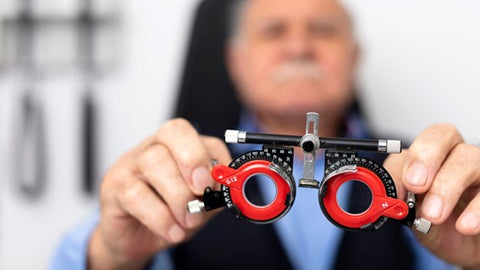
Symptoms vary, but may include loss of peripheral vision, headaches, eye pain, nausea, blurry vision, and halos around lights. Early detection matters. Get regular eye exams, especially with diabetes or high blood pressure, stay active, eat well, and wear protective eyewear when needed.
Cataracts
Cataracts cloud the eye's lens, producing foggy or dim vision, trouble driving at night, sensitivity to glare, color fading, and frequent prescription changes.
They develop slowly but can eventually affect daily life. For some people, supplements and lifestyle measures help reduce progression. See product details: BM183.

BM183 is recommended for cloudy, foggy, or filmy vision, night driving trouble, frequent eyesight changes, and double vision.
Small habits that protect your eyes
Eat well
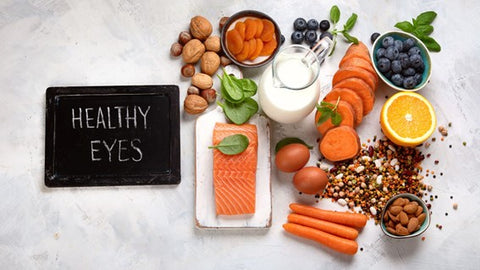
General health starts with food. Aim for leafy greens, oily fish, nuts, citrus, and colorful vegetables. These foods supply lutein, zeaxanthin, omega-3s, vitamin C, and zinc, which research links to better eye function. For a quick guide, see recommended eye foods.
Manage screens and lighting
Follow the 20-20-20 rule: every 20 minutes, look 20 feet away for 20 seconds. Position screens a bit below eye level and reduce glare with proper lighting. Adjust font size and brightness to reduce strain.
Protect from UV and injuries
Wear sunglasses that block UVA and UVB outside. Use safety goggles with power tools and during sports. These steps prevent immediate harm and lower long-term risk.
Stop smoking and control chronic conditions
Smoking raises the risk of macular degeneration and cataracts. Keep blood pressure, cholesterol, and blood sugar in healthy ranges to protect blood vessels in the eye.
Get regular eye exams
Many eye conditions develop slowly and show no early symptoms. Regular exams catch changes early, when treatment can preserve vision. If you have risk factors, test more often.
Small, consistent habits matter. Eat nutrient-dense foods, protect your eyes outdoors and during risky activities, manage screen time, and see your eye doctor regularly. These steps reduce the chance of problems and help you keep clear vision for longer.
Dejar un comentario