





Faster Post-Workout Recovery: Practical Tips for Active People
Regular exercise pays off only when you recover well. Use targeted habits to reduce soreness, restore energy, and keep training without setbacks.
Why an active lifestyle matters
Staying active strengthens muscles, boosts cardiovascular health, and improves flexibility. Exercise helps control weight and lowers the risk of conditions like heart disease and diabetes. It also sparks endorphins that lift mood, supports better sleep, and improves immune function. Consistent activity builds discipline and creates chances for social connection, whether that means joining a class or walking with a friend.
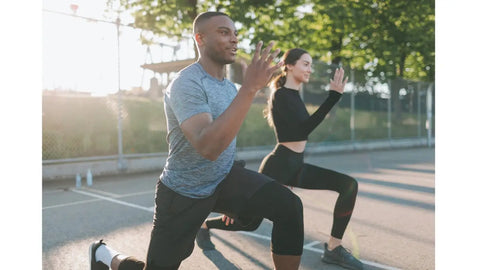
Key habits to recover faster and cut muscle soreness
Recovery is multi-layered. Focus on hydration, nutrition, sleep, gentle movement, and targeted therapies.
Hydration
Replace fluids lost to sweat. Drink water before, during, and after exercise. For long or very intense sessions, add electrolytes to your fluids.
Nutrition
Eat protein and carbs within an hour after training to repair muscle and refill energy stores. Good post-workout options include Greek yogurt with fruit, a lean-protein sandwich, or a protein smoothie.
Protein-rich snacks
Keep amino acids available between meals with snacks like nuts, cottage cheese, or a protein shake.
Omega-3 fats
Include salmon, walnuts, or flaxseeds to help reduce inflammation after hard sessions.
Warm-up and cool-down
Spend 5-10 minutes warming up with light cardio and finish with a 5-10 minute cooldown plus gentle stretches to lower injury risk and reduce stiffness. See warm-up guide.
Stretching
Stretch major muscle groups after workouts, holding each stretch 15 to 30 seconds to keep muscles flexible.
Sleep and rest
Aim for 7 to 9 hours of sleep. Your body repairs most efficiently during deep sleep. Schedule rest days after intense training blocks.
Cold and heat therapy
Use ice for recent inflammation or sharp pain, 15 to 20 minutes at a time. Use heat before stretching to loosen tight muscles and increase blood flow.
Compression and massage
Compression garments can reduce swelling and fatigue after events like long runs. Massage or foam rolling increases circulation and speeds recovery when used gently.
Active recovery
On rest days choose low-impact movement such as walking, gentle cycling, or swimming to keep blood flowing without causing damage.
foto
Mobility and breathing
Move periodically during the day if you sit a lot. Practice deep breathing to relax muscles and lower stress; try breathing exercises during cooldowns. See breathing techniques.

How homeopathy may fit into recovery
Some people include homeopathic remedies as part of a broader recovery plan. Practitioners select remedies to match specific symptoms, such as inflammation, soreness, cramps, sleep disruption, or low energy. Homeopathy emphasizes individualized care and aims to support the body's own healing processes. Talk with a qualified homeopathic practitioner and your primary care provider before adding remedies to your routine.

Common remedies people consider
- Arnica montana, for soreness and bruising.
- Rhus tox, for stiffness that improves with movement.
- Bryonia alba, for pains that worsen with motion.
- Ruta graveolens and symphytum, for tendon or bone-related strain.
- Bellis perennis for deep muscle soreness.
- Cuprum metallicum for cramps, and kali phosphoricum for fatigue.
These options reflect what some practitioners use; they are not a substitute for medical advice. Check with clinicians before combining remedies with other treatments.
Practical routine to speed recovery
After most workouts follow this simple sequence: rehydrate, eat a protein-carb snack within an hour, cool down and stretch, use a short foam-roll session, and prioritize sleep that night. Add ice or heat as needed and plan low-intensity active recovery the next day.
Bottom line
Recovery influences gains as much as training does. Use consistent hydration, targeted nutrition, sleep, movement, and simple therapies like compression, ice, or massage. If you try homeopathic remedies, consult a qualified practitioner and your doctor. Adjust what you do based on how your body responds, and keep your routine sustainable so you can stay active long term.
Dejar un comentario