





Flu Season Preparedness: Natural Ways to Stay Healthy
Chilly weather and crowded indoor spaces raise your risk for flu. You can cut that risk with straightforward habits and a few natural supports.
How the Flu Spreads and What to Watch For
What is the flu?
The flu is an infection caused by influenza viruses. It usually shows up as fever, cough, sore throat, runny nose, body aches, and fatigue.
How it spreads
The main routes of transmission are:
- Coughs and sneezes, which release infectious droplets into the air.
- Contaminated surfaces, then touching your eyes, nose, or mouth.
- Close contact like hugging or prolonged proximity to someone who is sick.

Common symptoms
- Fever
- Cough
- Headache
- Sore throat
- Runny or stuffy nose
- Body aches and fatigue
- Chills
- Chest discomfort
Severity varies. Some people recover in a few days, others take a week or longer.

Prevention, the practical steps
These actions cut transmission and protect you and others.
Hygiene and behavior
- Frequent handwashing. Use soap and warm water, scrub at least 20 seconds. See proper technique.
- Avoid touching your face, especially eyes, nose, and mouth.
- Cover coughs and sneezes with a tissue or your elbow, then wash hands.
- Keep distance from people who are visibly sick and stay home if you feel ill.
- Clean high-touch surfaces often: doorknobs, switches, countertops.
- Wear a mask in crowded or poorly ventilated indoor spaces during peak season.

Support your immune system
These habits and foods help your body respond to infections.
- Nutrient-rich diet. Prioritize vitamin C (citrus), vitamin D (sunlight or supplements), and zinc (nuts, seeds).
- Probiotics. Yogurt and fermented foods support gut health, which affects immunity. See related guidance here.
- Hydration. Water and herbal teas keep mucous membranes healthy.
- Exercise. Regular moderate activity supports immune function.
- Sleep. Aim for consistent, quality sleep to help recovery and resistance.
- Limit alcohol and avoid smoking. Both reduce immune competence.
- Manage chronic conditions like diabetes and heart disease to reduce complications.
- Reduce stress with techniques such as mindfulness and relaxation to protect immune response.
For a deeper guide, see How to Boost Your Immune System Naturally.
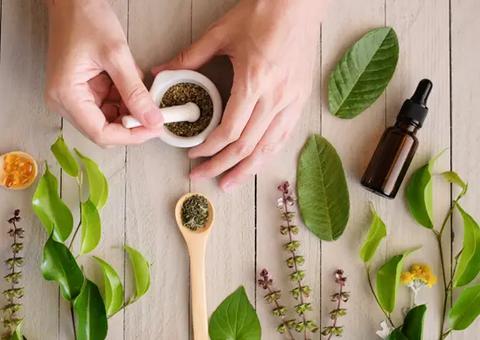
Stocking a natural medicine cabinet
Keep a few practical items on hand for symptom relief and comfort.
- Essential oils. Eucalyptus for steam inhalation, lavender for relaxation, peppermint for headache relief.
- Herbal teas. Chamomile, ginger, and peppermint soothe throat and stomach.
- Honey. A spoonful or added to tea eases cough and throat irritation.
- Ginger. Fresh ginger tea helps nausea and digestion.
- Salt and baking soda. Use in warm water as a gargle to relieve sore throat and clear mucus.
As with any remedies, check interactions if you take medications or have chronic illness. If symptoms worsen or you have high fever, seek medical care.
Dejar un comentario