





Should You Get Nutrients From Food or Supplements?
Many people reach for supplements because they feel modern food falls short. Supplements can help in specific cases, but whole, minimally processed foods usually deliver more benefits than pills.

Why whole foods beat most supplements
The soil, plants, and animals we eat provide a complex mix of vitamins, minerals, fiber, and phytonutrients. That complexity matters. Many supplements isolate a single compound, and that can reduce bioavailability or miss cofactors the body needs to use the nutrient effectively.
Supplements can be useful when you have a proven deficiency or a condition that prevents proper absorption. For example, people who cannot digest fruit or who follow a strict vegan diet often need Vitamin C or B12 supplements. Still, you should treat supplements as targeted tools, not a daily replacement for varied, real food.
“Getting our nutrients straight from a pill sounds easy, but supplements don't necessarily deliver on the promise of better health. Some can even be dangerous, especially when taken in larger-than-recommended amounts.” - Harvard Women’s Health Watch, Harvard Medical School, January 2013
About supplements
Products promising quick fixes appear daily. Because many supplements lack rigorous testing, you may end up ingesting low-quality or impure ingredients. Check for third-party testing, clear labeling, and sensible dosages before you buy.
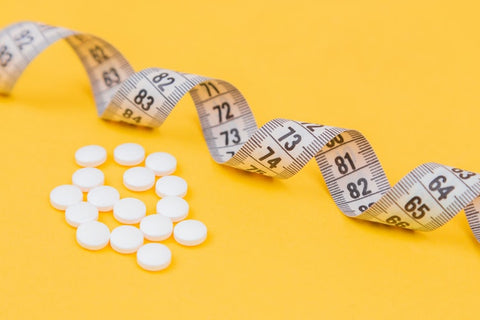
Quality and bioavailability
Bioavailability describes how much of a nutrient reaches circulation and can be used by the body. A cheap pill with poor absorption often offers little benefit. Research brands, read labels, and prefer products that show testing or certification.
Long term effects and risks
Excessive intake of some supplements can harm organs or cause imbalances. Supplements vary widely in regulation and sourcing. Treat them with the same caution you’d use for any substance you ingest.
Food, processing, and nutrient loss
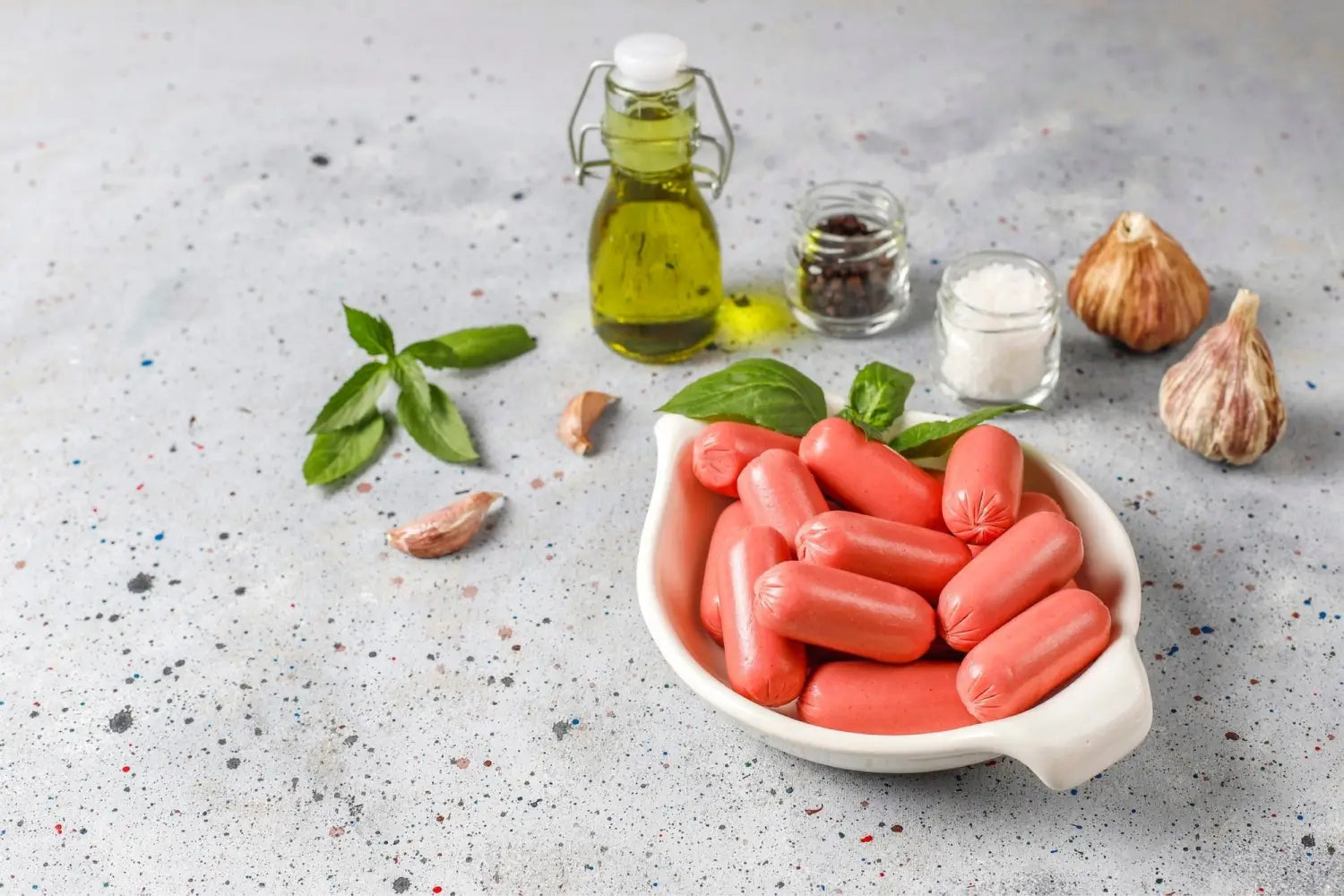
Processed foods often contain fewer nutrients and more additives than whole foods. Mass production and heavy processing reduce nutrient density, which helps explain why some people feel they need supplements.
Aging and absorption
Aging and certain medications can impair digestion and nutrient uptake. If you suspect poor absorption, talk to a doctor and consider lab tests before starting long-term supplements.
Nutrients commonly needing attention
Some nutrients are harder to get from certain diets. Vitamin B12 is abundant in animal products, so people on plant-based diets often need supplementation. Medications for chronic conditions can also create deficiencies.
Signs of poor nutrient absorption
|
Fats |
Light-colored, bulky stools suggest fat malabsorption. |
|
Protein |
Hair loss, dry hair, and bloating can signal low protein intake or poor protein use. |
|
Sugars |
Severe lack of natural sugars may cause bloating, gas, and diarrhea. |
|
Vitamins |
Deficiencies can cause anemia, stunted growth in children, or trouble building muscle in adults. |
How to boost nutrient absorption naturally

- Eat a variety of foods. Rotate proteins and include plant and animal sources to cover different nutrient profiles.
- Take Vitamin C with iron. Vitamin C improves iron absorption from plant sources.
- Include healthy fats. Fats help absorb fat-soluble vitamins A, D, E, and K. Avocado, fatty fish, and olive oil are good choices.
- Support gut health with probiotics. Yogurt, some cheeses, fermented vegetables, and kombucha can help maintain healthy digestion.
- Limit caffeine and alcohol. Excess can interfere with digestion and nutrient status.
- Manage stress. Chronic stress impairs digestion and absorption, so prioritize sleep and recovery.
- Stay hydrated. Water supports digestion and circulation of nutrients.
When to use supplements
Supplements make sense for diagnosed deficiencies, absorption problems, or dietary restrictions. Get labs and professional advice before starting a long-term regimen. A doctor or registered dietitian can tell you what you really need.


Kali Phos may help with nervous conditions and exhaustion. Effective natural therapy during exams or times of work-related stress.Classic Tissue Cell Salt Kit contains all 12 schussler cell salts with an easy-to-use remedy chart. This kit is recommended to support immune function and cellular nutrition.BIO28 is used for colds, headaches, and nervous tension. This combination of all twelve cell salts may restore energy and support wellness.
Dejar un comentario