





Healing Foods That Boost Recovery and Well-being
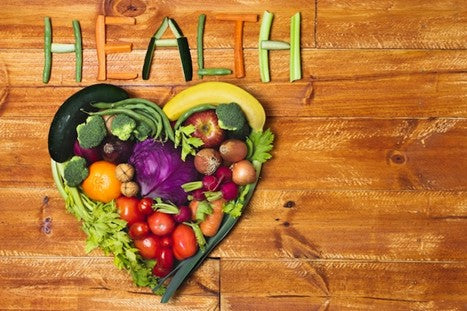
Holistic wellness links how you eat to how you feel. The word "holistic" comes from the Greek holos, meaning whole, and good nutrition touches many parts of health at once.
Nutrition affects physical, mental, emotional, and immune health. Below are practical food groups and why they matter for recovery, energy, and resilience.
1. Physical health and recovery
Food supplies the building blocks your body needs to heal and stay strong. Protein, calcium, vitamin D, and healthy fats support tissue repair, bone health, and muscle strength. Carbohydrates provide steady fuel for activity and recovery, while fiber supports digestion and a healthy gut microbiome.
Antioxidants and anti-inflammatory nutrients reduce oxidative stress linked to chronic disease. Vitamins and minerals like C, D, zinc, and iron support immune defenses and wound healing. Managing sodium and saturated fat helps protect cardiovascular health.
2. Mental health and brain support
Amino acids (from proteins), B vitamins, zinc, and magnesium help make neurotransmitters that influence mood and thinking. Omega-3 fats (EPA and DHA) from fatty fish, flax, chia, or walnuts support brain structure and have been tied to lower depression risk.
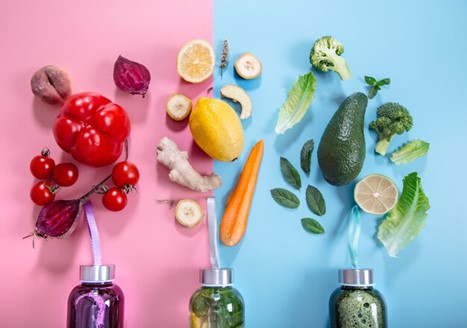
A healthy gut supports the gut-brain axis. Fiber, fermented foods, and prebiotics feed beneficial microbes that in turn influence mood and cognition. Dehydration harms focus and mood, so drink regularly.
3. Emotional balance and steady energy
Whole foods that stabilize blood sugar help prevent mood swings. Balanced meals with carbs, protein, and healthy fats keep energy steady and reduce stress-related cravings.
4. Immune support
Vitamins C and D, zinc, and other micronutrients strengthen immune responses. A varied diet with fruits, vegetables, lean protein, and whole grains gives the nutrients your immune system needs to fight infections and recover from surgery or illness.
Healing foods to add to your meals
The mind and body respond when you choose nutrient-dense, whole foods. Here are specific foods to prioritize for recovery and overall health.
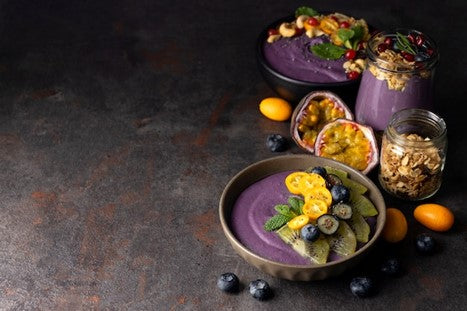
Berries
Berries deliver antioxidants, fiber, and vitamin C. Blueberries contain anthocyanins linked to memory benefits. Strawberries support heart health. Raspberries add fiber for digestion. Blackberries supply vitamins C and K. Acai has a high antioxidant profile that may reduce inflammation.
Berries help neutralize free radicals and support blood vessel health, which benefits recovery and long-term cardiovascular risk.
Leafy greens
Leafy greens are dense in vitamins A, C, K, folate, and minerals like magnesium and iron. They support immune function, blood clotting, and cell repair. Add spinach, kale, collards, or Swiss chard to meals or smoothies for concentrated nutrients.
Lean protein
Protein supplies amino acids needed for tissue repair and immune cells. Choose poultry, fish, eggs, legumes, and low-fat dairy. For wound healing, aim for a protein source at each meal and include collagen-supporting vitamin C.
Fatty fish and omega-3 sources
Salmon, mackerel, sardines, chia, flax, and walnuts provide omega-3 fats that reduce inflammation and support brain health. Include these regularly, or consider a high-quality fish oil if you don’t eat fish.
Nuts, seeds, and healthy fats
Monounsaturated and polyunsaturated fats from olive oil, avocados, nuts, and seeds support nutrient absorption and hormone production. They also help maintain steady energy between meals.
Whole grains and fiber
Whole grains like oats, quinoa, and brown rice provide steady carbohydrate energy and fiber. Fiber feeds the gut microbiome, which supports immune and mental health. Aim for whole grain options instead of refined grains.
Fermented foods and prebiotics
Yogurt, kefir, sauerkraut, kimchi, and kombucha supply probiotics. Prebiotic foods like onions, garlic, leeks, asparagus, and bananas feed the good bacteria. A healthy gut supports digestion, immunity, and mood.
Colorful vegetables
Carrots, bell peppers, sweet potatoes, beets, and cruciferous vegetables like broccoli deliver antioxidants, fiber, and vitamins for cell repair and inflammation control. Rotate colors to cover a broad range of nutrients.
Citrus and vitamin C foods
Oranges, strawberries, kiwi, and bell peppers supply vitamin C, which helps collagen formation and wound healing. Combine vitamin C foods with iron-rich plant foods to improve iron absorption.
Practical tips for adding healing foods
- Include protein at every meal, especially during recovery.
- Add a serving of vegetables and a colorful fruit each day.
- Choose whole grains over refined options for steady energy.
- Use olive oil and include nuts or seeds for healthy fats.
- Stay hydrated to support digestion and cognitive function.
- Prioritize sleep and moderate movement; nutrition works best with those habits.
Small, consistent changes add up. Focus on nutrient-dense meals that support tissue repair, immune function, and mental clarity. Food shapes recovery; pick the foods that help you heal and perform better every day.
Consider targeted supplements if your diet falls short, especially for vitamin D, omega-3s, or post-surgical needs, but talk to your healthcare provider first.
Dejar un comentario