





Holistic Guide: Set Intentions for the New Year
The new year offers a clean slate to choose how you want to feel and what you want to create. This guide walks through practical steps for setting intentions, turning them into aligned goals, and using simple practices to keep you on track.
1. The Power of Intentions

Intentions act like a compass. They describe the way you want to live or the feelings you want to cultivate. Goals are the steps that move you toward those intentions.
Setting Intentions vs. Setting Goals
Goals are specific and measurable. Intentions describe the quality of life you want. For example, an intention could be to feel more peaceful. A related goal might be to meditate 10 minutes daily.
The Art of Self-Discovery
Before you pick intentions, get clearer on what matters to you. Self-discovery means identifying your values and passions. Ask yourself:
- What makes me happy?
- What do I want to change?
- What are my main hopes and priorities?
Answering those questions gives you clarity, which helps you choose intentions that feel right. For further reading, see Self-discovery.
2. Holistic Goal-Setting
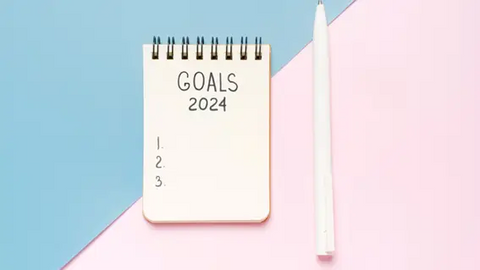
Turn intentions into action with goals that support the whole person, not only one area of life. Holistic goals touch health, relationships, work, and self-care.
SMART Goals with a Holistic Twist
Use SMART criteria to keep goals clear and doable:
- Specific: Define the action, for example, exercise 30 minutes five days a week.
- Measurable: Track minutes, sessions, or milestones.
- Achievable: Start with realistic steps to avoid burnout.
- Relevant: Make sure each goal supports an intention.
- Time-Bound: Give yourself a deadline or review date.
Set a few goals in different life areas so progress feels balanced and sustainable.
3. Manifestation Techniques

Manifestation combines focused thought with consistent action. It asks you to keep your intentions in view while doing the work required to reach them. See this explainer on manifestation: Manifestation.
Practices that Help
- Positive Thinking: Replace recurring negative thoughts with constructive ones.
- Visualization: Picture the outcome in detail and notice how it feels.
- Belief: Treat goals as possible and scan for opportunities that match them.
Tools to Reinforce Intentions
Affirmations: Short, present-tense statements you repeat daily, for example, "I am calm and focused."

Vision Boards: Collect images and words that represent your intentions and place the board where you’ll see it daily. For examples, try vision board samples.
Journaling: Record goals, wins, setbacks, and feelings. Journaling keeps you accountable and makes progress obvious. Read more on journaling for emotional health here. For digital options, see this roundup: best digital journals.
4. Mindfulness and Meditation

Mindfulness and meditation sharpen awareness so your intentions stay present during daily life. Use short practices to ground yourself and notice what matters most.
Cultivating Mindfulness
- Deep Breathing: Take slow breaths to calm the nervous system. See this guide: Deep Breathing.
- Observe Thoughts: Notice thoughts without judging them. That reveals fears and desires.
- Stay Present: Return attention to the current moment whenever it drifts.
Combine short meditations with your morning or evening routine to keep intentions active. Small, consistent practices matter more than long, occasional sessions.
Use these steps to set clear intentions, choose supporting goals, and adopt daily practices that keep you moving forward. Pick a handful of intentions, create a few aligned SMART goals, and commit to small routines that support them. Revisit your intentions quarterly and adjust as life changes.
Dejar un comentario