





Natural Tips and Treatments for Hair Loss
Have you been experiencing hair loss? Hair loss has many causes, and some signal medical issues that need attention. Hormonal shifts after childbirth commonly trigger noticeable shedding.
Postpartum hair loss is common and usually resolves within a year. Still, shedding can hit your confidence, so below are practical treatments and natural tips to manage hair loss.
What Is Hair Loss?
Hair loss, or alopecia, means hair falls out from the scalp or other parts of the body, causing visible thinning or balding. Causes vary, so pinning down the reason helps pick the right treatment.
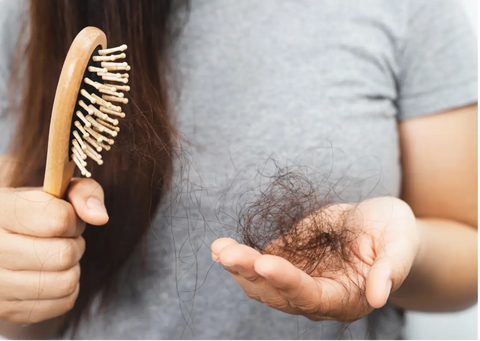
Common Causes of Hair Loss
Hair loss can be genetic, hormonal, related to health conditions, or triggered by lifestyle factors. Common causes include:
Genetics
Male and female pattern hair loss run in families and are the most common forms.
Hormonal Changes
Pregnancy, menopause, and thyroid problems can shift hair cycles and cause shedding.
Medical Conditions and Medications
Conditions like alopecia areata, scalp infections, and autoimmune disorders cause hair loss. Certain medicines, including chemotherapy agents, blood thinners, and some antidepressants, list hair loss as a side effect.
Nutritional Deficiencies and Stress
Low iron, vitamin D, or B vitamins can contribute to thinning. Emotional or physical stress often leads to temporary shedding.
Hairstyling Practices
Tight braids, ponytails, and hairstyles that pull on the roots cause traction alopecia over time.
If the cause is unclear, see a healthcare provider for testing and diagnosis.
Postpartum Hair Loss
After delivery, many women notice increased hair shedding, called postpartum hair loss. It typically starts within three to six months after birth and often resolves by one year.
During pregnancy, higher estrogen keeps hair in a growth phase. When estrogen drops after birth, more hairs enter the resting phase and then shed. Up to half of new mothers experience this, and though it can be upsetting, it usually stops on its own.
Practical Tips to Prevent and Reduce Hair Loss
These strategies help reduce shedding and support regrowth for everyday hair loss and postpartum shedding.
1. Maintain a Balanced Diet
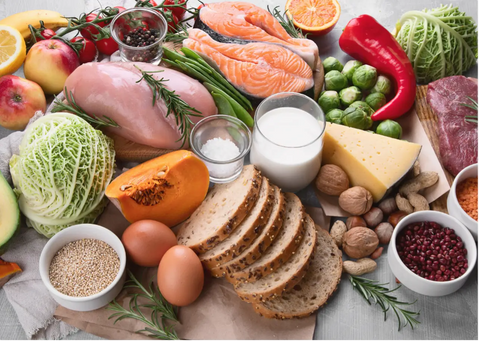
A varied diet supplies the vitamins and minerals hair needs. Eat leafy greens, nuts, fish, eggs, and berries for zinc, vitamins A, C, D, and E.
2. Prioritize Iron and Biotin
Iron supports hair growth. Include spinach, lentils, and lean red meat if your diet allows. Biotin, a B vitamin found in eggs, nuts, and whole grains, supports hair structure and can help with postpartum shedding.
3. Avoid Tight Hairstyles
Loose styles reduce tension on follicles. If you wear your hair up, alternate styles and avoid constant high-tension looks.
4. Massage the Scalp
Daily fingertip massage in circular motions increases local blood flow and feels good. A few minutes each day can help.
5. Skip Harsh Chemicals
Frequent dyes, bleaches, and relaxers weaken hair. Use chemical treatments sparingly and follow instructions closely.
6. Choose Gentle, Natural Products
Products with aloe vera, coconut oil, and shea butter moisturize and nourish the scalp without stripping natural oils.
7. Manage Stress
Stress hormones can disrupt the hair cycle. Try yoga, meditation, or focused breathing to lower stress and support regrowth. See our stress management tips for ideas.
8. Get Adequate Sleep and Hydration
Seven to eight hours of sleep helps tissue repair. Drink enough water to keep hair and scalp hydrated.
9. Consider Supplements Carefully
Supplements can make up gaps. Our Hair Growth Supplement supports growth and helps brittle, thinning hair. Talk to your doctor before starting any supplement.
10. Be Gentle When Brushing
Use a wide-toothed comb, start at the ends, and work up to the roots to avoid breakage.
11. Check Mineral Levels
Zinc and selenium play roles in hair health. Zinc supports follicle function and hormone balance. Selenium acts as an antioxidant and helps thyroid regulation. Low levels can contribute to shedding, but excess supplements can harm, so test levels with a provider before supplementing. See more on selenium here.
12. See a Doctor for Persistent Loss
If hair loss is sudden, heavy, or accompanied by other symptoms, see a dermatologist or your doctor. They can run tests, check for deficiencies, review medications, and recommend treatments that match your diagnosis.
Final Notes
Most postpartum and many common types of hair loss respond to diet changes, gentler hair care, and time. If you worry about bald patches, a rapid increase in shedding, or signs of scalp disease, get medical advice so you can treat the cause instead of guessing.
Want a simple step to start? Add iron-rich meals and a gentle scalp massage to your daily routine this week and track changes over two to three months.
14. Get Enough Vitamin D
Dejar un comentario